How to Write an Artist Biography That Converts on Streaming Platforms

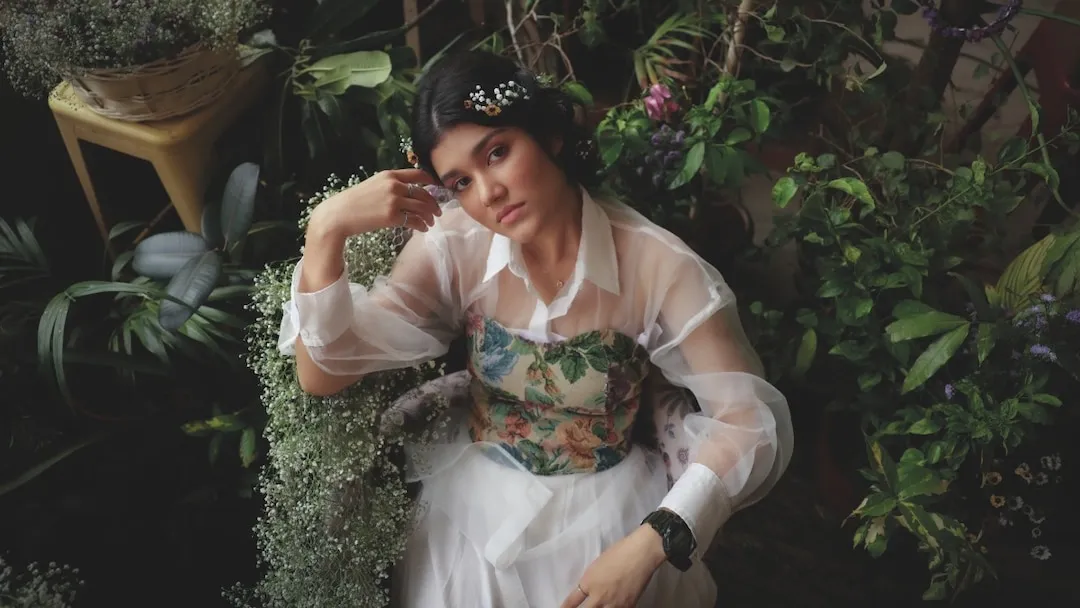
Image Credit: Glenn Carstens-Peters / Unsplash
You open your Spotify profile and read your artist biography.
It sounds fine. It tells your story. It even feels authentic.
But nothing happens.
No increase in followers. No spike in streams. No reason for a new listener to stay.
That is the hidden problem. Your artist biography is not just information. It is a decision point. Listeners scan it in seconds and decide whether you are worth paying attention to.
According to Spotify for Artists, strong profile signals like clear identity and consistent messaging increase the likelihood that profile visits convert into streams and follows. When your bio is unclear, that conversion drops.
Artists who get this right convert attention into growth. Artists who don’t remain background noise.
RELATED BLOG POST
What Is an Artist Biography?
An artist biography is a short, structured description of who you are, what you sound like, and why listeners should care. It appears on platforms like Spotify, Apple Music, and press kits, where it shapes first impressions.
An effective artist biography positions you clearly within seconds. It answers three questions immediately:
Who are you?
What do you sound like?
Why should anyone care?
On streaming platforms, clarity increases the likelihood of listener retention because it reduces decision friction.
Why Your Artist Bio Matters More Than You Think
Your artist biography acts as a conversion filter.
When a listener lands on your profile, your music creates curiosity. Your bio determines whether that curiosity turns into action.
According to insights compiled by Chartmetric, artists with complete and optimized profiles tend to see higher engagement rates across streaming platforms compared to incomplete profiles.
This means your artist biography directly affects:
Follow decisions
Song saves
Profile exploration
Your bio is not passive. It drives behavior.
For artists thinking long-term, positioning compounds. Resources like the only music career strategy you need show how clarity strengthens every stage of growth.
What Makes an Artist Biography Effective on Streaming Platforms
A high-converting artist biography is clear, positioned, and scannable.
It works because it removes confusion and speeds up decision-making.
The strongest artist bios include:
Clear identity (who you are)
Defined sound (what you make)
Distinct positioning (what makes you different)
Emotional hook (why it matters)
Artists like Burna Boy are positioned with precision, not ambiguity. You can see this in Burna Boy’s story as Africa’s Giant, where identity, culture, and sound are clearly defined.
Clarity converts faster than creativity.
The 4-Part Structure of a High-Converting Artist Biography
A strong artist biography follows a repeatable system called the Artist Bio Conversion Framework.

1. The Opening Hook
Your first two lines determine whether the reader continues.
State who you are and what makes you distinct.
Example:
“Lagos-based Afrobeats artist blending street rhythms with soulful storytelling.”
2. Your Sound and Identity
Define your genre, influences, and style clearly.
Example:
“Combining Afrobeats, R&B, and highlife influences inspired by artists like Wizkid and Tems.”
Specificity builds clarity.
3. Proof and Credibility
Show evidence that supports your position.
This includes:
Streams
Performances
Collaborations
Features
Even small proof increases trust. Profiles with visible achievements are more likely to convert casual listeners into followers.
4. The Listener Connection
End with why the listener should care.
Example:
“His music speaks to late-night reflection and everyday ambition.”
This shifts focus from you to them.
Artist Biography Examples (What Works and Why)
Strong artist biographies are clear, specific, and positioned. Weak ones are vague and forgettable.
TypeExampleWhy It Works / FailsWeak Bio“An upcoming artist with a unique sound”No identity, no specificityStrong Bio“Abuja-based Afro-fusion artist blending alternative R&B with storytelling rooted in personal experience”Clear identity, genre, and emotional hook
Clarity increases memorability and improves listener retention.
Understanding cultural positioning strengthens your bio. See a deep dive into music culture for context on how identity shapes perception.
How to Write an Artist Biography Step-by-Step
Writing an effective artist biography is a structured process.
Follow these steps:
Define your identity
Clarify your positioning
Add proof
Write a concise draft (100–200 words)
Edit for clarity
Optimize for scanning
Your goal is speed of understanding, not complexity.
Common Mistakes That Kill Your Artist Bio
Most artist biographies fail for predictable reasons:
Being too long and unfocused
Using vague language (“unique,” “versatile”)
Lacking proof or credibility
Writing for yourself instead of the listener
Another major mistake is over-storytelling. Long backstories reduce clarity and weaken impact.
This unique artist has a distinct style
A strong artist biography prioritizes positioning over storytelling.
How to Optimize Your Artist Bio for Streaming Platforms
Streaming platforms are scan-based environments.
Listeners do not read. They scan.
To optimize your artist biography:
Make the first two lines strong
Use short sentences
Place key identity early
Avoid dense paragraphs
On platforms like Spotify, only the opening lines are visible before expansion. That makes your hook critical for conversion.
Discovery is only the first step. Engagement determines whether listeners stay. Tools like Muzingo extend that interaction layer. You can see how this works in this product walkthrough.
Can You Use AI or Bio Generators for Your Artist Bio?
AI can accelerate writing, but it cannot define positioning.
Bio generators often produce generic outputs because they rely on templates. Without clear inputs, they lack specificity.
AI works best when you already know:
Your identity
Your positioning
Your proof
Use AI to refine clarity, not replace strategy.

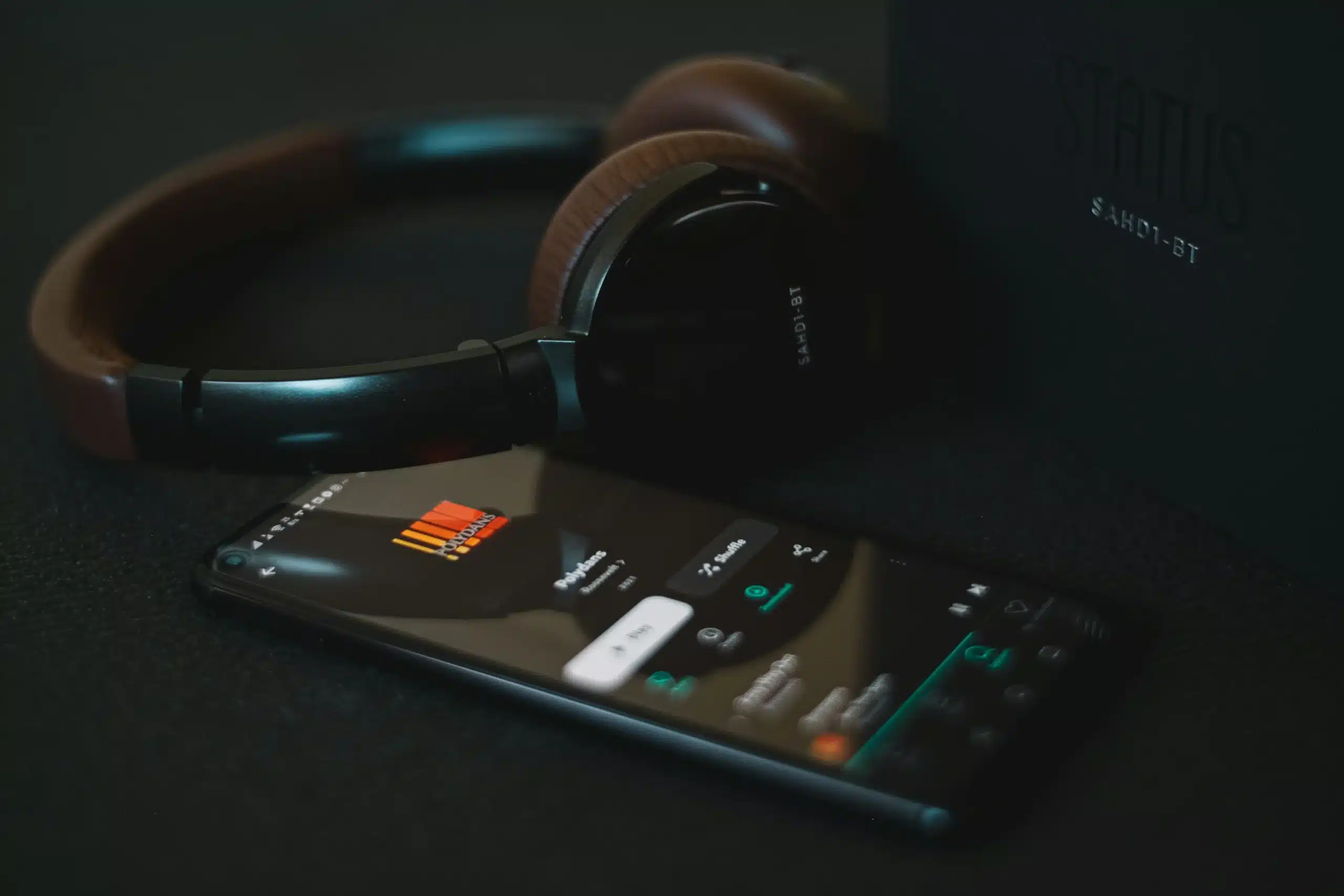
Image Credit: Andrew Neel / Unsplash
Conclusion
Your artist biography is not just a story. It is a conversion asset.
It determines whether a listener stays, explores, or leaves.
When your bio is clear, positioned, and structured, it increases trust, strengthens identity, and improves your growth potential.
Discovery brings listeners in. Engagement keeps them there.
Muzingo strengthens that second step by turning attention into interaction. It gives listeners something to do, not just something to hear.
Rewrite your artist biography with clarity and intent. Then explore how Muzingo works to turn attention into lasting connection.
FAQ
What should an artist biography include?
An artist biography should include identity, sound, positioning, proof, and a clear reason why listeners should care. It must be concise and easy to scan.
How long should an artist biography be?
An effective artist biography is typically between 100 and 200 words. It should establish identity quickly without overwhelming the reader.
How do you write a music artist bio for Spotify?
To write a Spotify artist bio, focus on clear positioning, strong opening lines, and concise structure. Place key details early because listeners scan quickly.
Can AI write an artist biography?
AI can assist in writing an artist biography, but it requires clear inputs. Without defined positioning, the output becomes generic and less effective.


Comments
No comments yet.