
Discover What Makes a Song Catchy Enough to Shake a Crowd
Understanding what makes a song catchy changes the moment you stop thinking like a listener and start thinking like a DJ.
In live environments, songs are not judged by how good they sound in isolation. Instead, they are judged by how fast a crowd recognizes them and how strongly that recognition turns into movement. DJs who understand this control energy. DJs who do not end up guessing.
A song can be beautifully produced, critically praised, or trending online and still fall flat on a dancefloor. This disconnect frustrates many DJs because the rules they were taught about “good music” do not always apply in front of a crowd. While streaming success rewards replay value and personal taste, live rooms reward immediacy and shared response.
Catchiness, in a live setting, is not a mystery or a matter of taste. Rather, it is a practical skill that can be observed, learned, and used deliberately in real-world music environments like those built around interactive formats on Muzingo, where crowd response directly shapes flow and momentum.

RELATED BLOG POST
Why DJs Experience “Catchy” Differently From Listeners
Listeners usually decide if a song is catchy based on enjoyment. DJs, however, do not have that luxury.
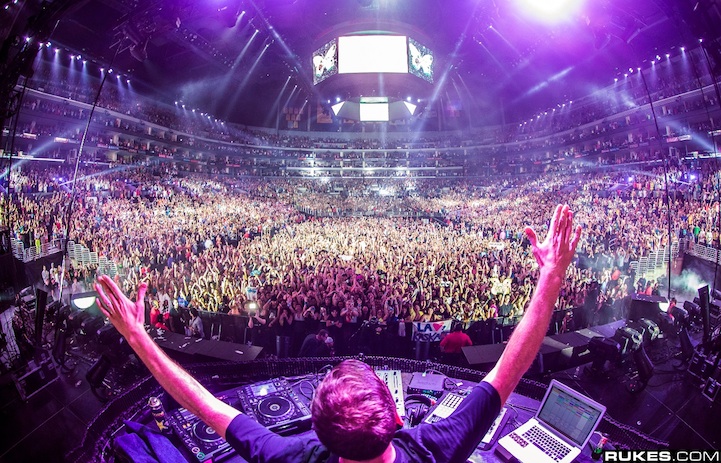
In a live room, what makes a song catchy is recognition speed. Heads turn. Voices rise. Bodies move together. When the response is delayed or scattered, the song fails in that context, no matter how good it sounds in headphones.
This is why relying on personal taste leads to inconsistent sets. Crowd response is information, whereas taste is preference. DJs who confuse the two struggle to control energy, particularly in packed venues where attention shifts quickly and distractions multiply. Situations like those described in guides on managing large crowds at music-led events highlight how quickly a room can slip away if recognition is lost.
Crowds behave differently from individuals. Because people subconsciously look to others for cues, a few early reactions can cascade into full participation. Once a recognizable song triggers movement in one section of the room, others follow almost automatically. DJs who understand this stop chasing complexity and instead prioritize clarity.
What Makes a Song Catchy in a Live Crowd

Across clubs, bars, and event spaces, the same patterns appear repeatedly.
First, there is speed of recognition. A crowd should know what they are hearing within seconds. Otherwise, long intros and slow builds weaken momentum, especially when attention is already fading late into the night.
Second, there is a clear musical identity. Songs with unmistakable vocal phrases, rhythmic patterns, or melodic signatures perform better because they anchor attention immediately. The crowd does not need to think. They already know what is happening.
Third, there is shared response. Catchy songs invite participation. Singing, bouncing, clapping, or call-and-response spreads quickly when people already know what is coming next.
This explains why familiar records often outperform newer ones when energy dips. Nostalgia and memory shorten the gap between hearing and reacting. As a result, DJs who design sets intentionally, much like those who focus on creating music bingo playlists with Muzingo, tend to maintain steadier momentum across longer sessions.

How DJs Recognize Catchy Songs Faster Than Others
Experienced DJs listen with their eyes as much as their ears.
They watch how quickly attention shifts after a track drops. They notice whether movement spreads or stalls. They pay attention to vocal reactions and body language in the first moments of a song.
For example, if a DJ drops a technically impressive track and sees people nod politely but keep talking, that is a signal. However, if the next track triggers raised hands, smiles, and people moving closer to the floor within seconds, the difference becomes obvious.
Instead of asking whether they personally enjoy a track, skilled DJs observe how the room behaves. Over time, this trains them to recognize which songs reliably trigger response across different crowds.
The fastest way to improve this skill is to mentally tag songs by reaction rather than genre. Some tracks are instant singalongs. Others build movement gradually. Others work best as resets when attention is drifting. DJs who think this way make better decisions under pressure, especially in environments that depend on structured participation and timing.
Crowd Control and Energy Recovery in Real Time
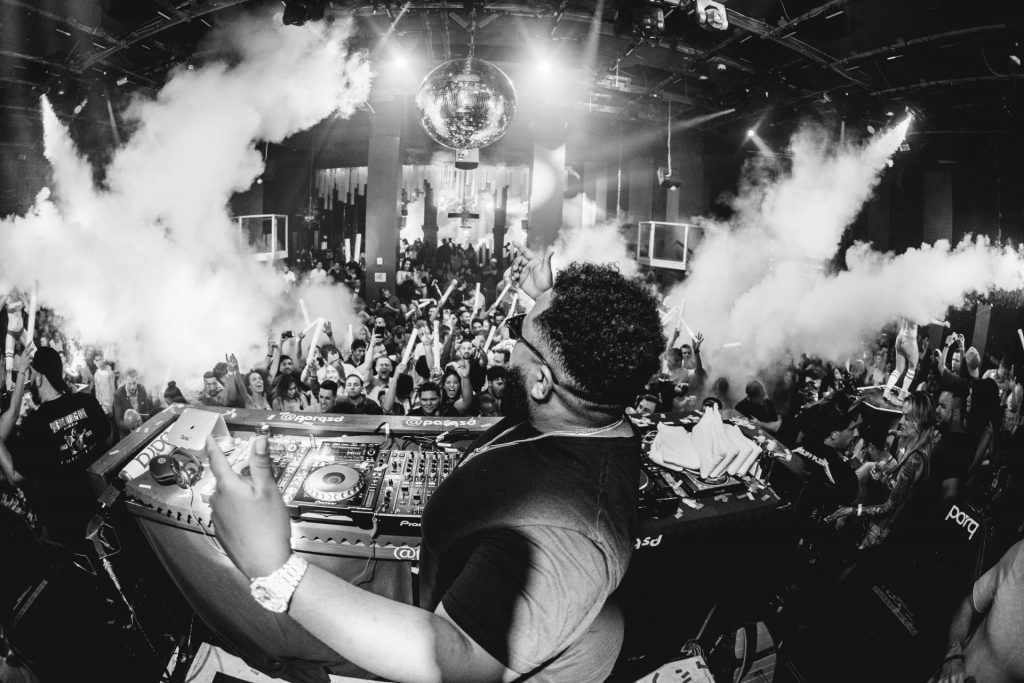
Every crowd gets tired. Attention fades. Conversations grow louder. Movement slows.
When this happens, many DJs instinctively push harder by playing faster or louder. Unfortunately, that often exhausts the room further. Recognition-based resets work better because they restore attention before demanding more energy.
A familiar hook pulls focus back naturally. Once attention returns, movement usually follows without force. This same principle is used in well-run music-led events, where hosts emphasize pacing and awareness, similar to what’s required to host a music bingo night that stays engaging from start to finish.
In larger rooms, recognition does more than lift energy. It stabilizes the crowd. When people know what they are hearing, they feel oriented. Oriented crowds are easier to guide, and guided crowds are easier to satisfy.

Using Tools and Systems to Organize Catchy Songs
Great DJs do not rely on memory alone. Instead, they reduce decision fatigue by using systems.
This recognition-first approach is not accidental; it reflects how Muzingo was intentionally designed around crowd psychology and real-time engagement, as documented in the Muzingo case study.
Many DJs group tracks by how they affect a room rather than by genre. Some organize songs by recognition speed. Others by energy lift or recovery potential. This structure allows them to respond quickly when conditions change.
Tools designed for interactive music formats offer useful lessons here. Platforms built around music bingo software show how structured recognition can drive engagement consistently across different audience sizes. DJs can adapt the same thinking to their own sets, using tools that support fast decisions instead of interrupting flow.
Choosing the right tools is less about technology and more about support. Ultimately, the best systems free attention so DJs can focus on reading the room, not managing chaos.

Conclusion
For DJs, what makes a song catchy has little to do with theory and everything to do with recognition, timing, and response. In live settings, the songs that matter most are the ones that a crowd understands immediately and reacts to together.
Catchiness is not random. It can be observed, practiced, and systemized. DJs who develop this skill stop guessing and start making deliberate decisions. Instead of reacting to energy drops or hoping a track lands, they learn how to guide attention, reset tired rooms, and maintain momentum throughout an entire set. Over time, this shift changes not just how they perform, but how they are remembered by promoters, venues, and audiences.
Start a free Muzingo game for your next DJ set today
FAQs
What makes a song catchy for DJs?
Fast recognition and collective crowd reaction matter more than personal enjoyment or technical complexity.
Why do familiar songs work better live?
They reduce hesitation and trigger emotional memory, which leads to faster, shared movement.
Can DJs train themselves to recognize catchy songs?
Yes. By watching crowd response, categorizing tracks by reaction, and using structured systems, DJs can improve quickly.
Do tools really help with crowd control?
They reduce mental load and support better real-time decisions, especially in high-pressure settings.



Comments
No comments yet.