
How to License Your Music Successfully for Films and TV Shows

If you have ever wondered how to license your music for films and TV shows, you have probably also assumed it only works for artists with managers, labels, or industry connections. The language around placements often makes it sound like a private club you somehow missed the invitation to.
That assumption is what keeps many independent artists stuck.
The truth is simpler and less dramatic. Learning how to license your music is not about being discovered. It is about being prepared. When your music is clearable, usable, and professionally packaged, it becomes an asset people can actually work with. This guide explains how to license your music for films and TV shows without hype, legal jargon, or false promises.
RELATED BLOG POST
What Music Licensing Actually Means
Music licensing is simply permission. When a song appears in a film, TV show, trailer, or commercial, someone has paid for the right to use that music in a specific context. That permission is what generates income.
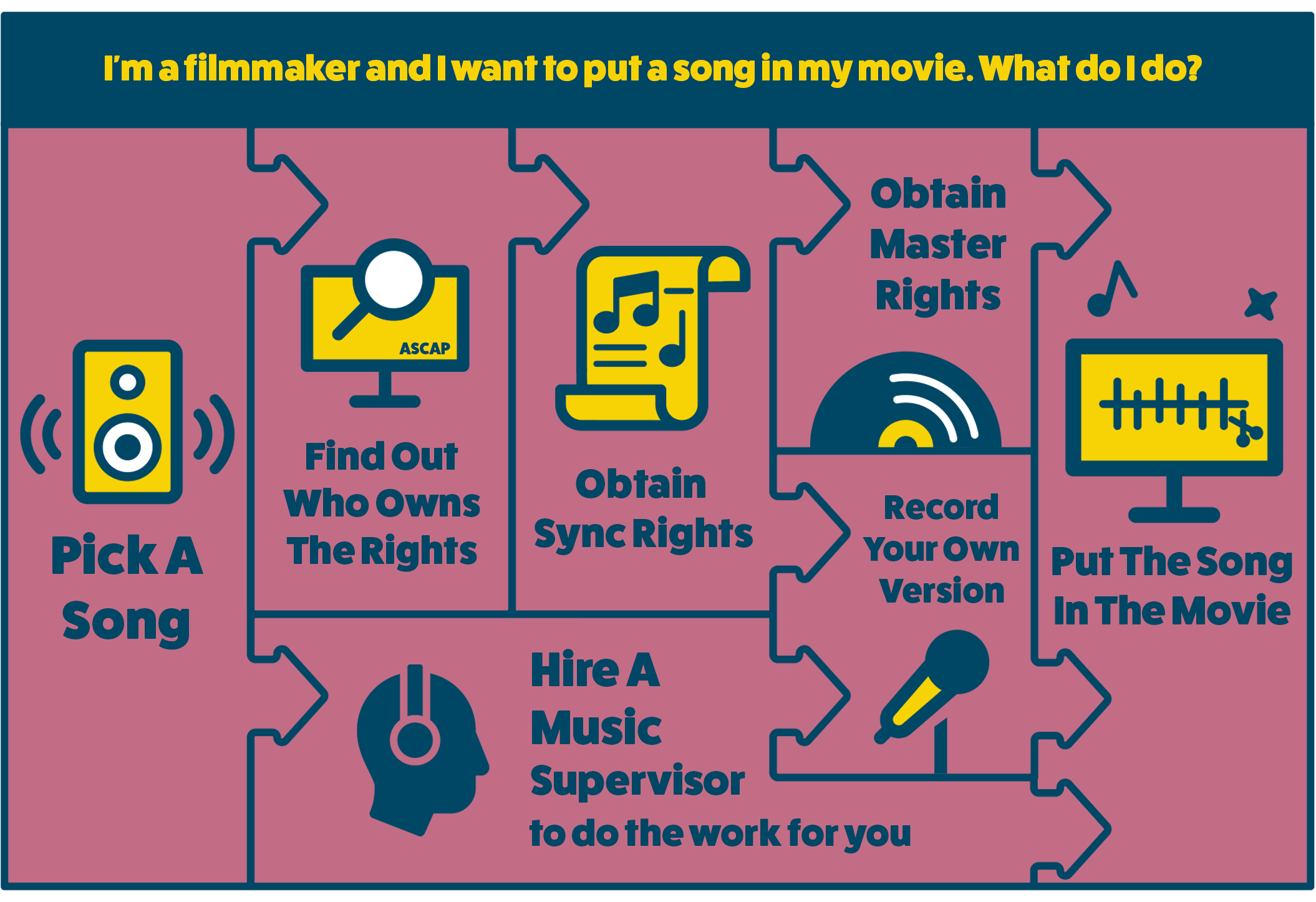
Understanding how to license your music starts with knowing that licensing income usually has two parts. The first is a sync fee, which is the upfront payment for using the song. The second is performance royalties, which are paid when the content is broadcast. These royalties are collected through performing rights organizations like ASCAP or BMI.
This is why learning how to license your music can be powerful for artists who want income that does not rely on constant posting or touring. A single placement can pay once upfront and continue earning quietly over time.
Who Can License Their Music (and Who Can’t)
You can license your music if you meet a few basic conditions.
You either fully own your master recordings or can clear collaborators quickly. You know who wrote and produced the song, and everyone agrees on ownership. You can also be contacted easily, with clear information attached to your files.
You cannot license your music if ownership is unclear, collaborators are unreachable, or your files are missing basic details. This is one reason learning how to license your music feels confusing. It is not about talent alone. It is about clarity.
This is also why virality does not automatically lead to placements. Popularity does not fix legal uncertainty, a reality explored further in WHY VIRAL SONGS DON’T MAKE ARTISTS SUCCESSFUL.
What You Need Before You License Your Music
Before pitching or uploading anything, you need to prepare your catalog.
First, register with a performing rights organization. If you are in the US, ASCAP or BMI are standard. Without PRO registration, performance royalties have nowhere to go.
Second, confirm ownership. If you collaborated with producers or co-writers, document those splits clearly. Music supervisors do not wait for disputes to be resolved.
Third, prepare alternate versions. Instrumentals, no-vocal mixes, and cut-downs are often more usable than full songs. Editors need flexibility.
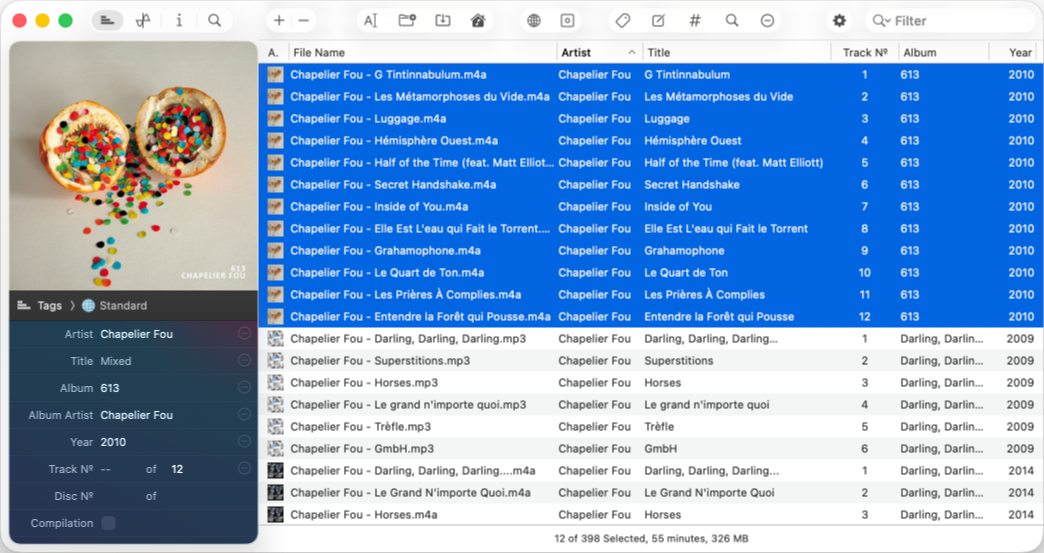
Fourth, organize metadata. Licensing platforms such as Artlist and Musicbed rely on searchable metadata like mood, tempo, and genre. This step alone can determine whether your song is even found.
Finally, understand context. Knowing how sounds cycle over time helps you position your catalog realistically. That is where broader awareness, like what is discussed in HOW MUSIC TRENDS HAVE EVOLVED IN THE LAST DECADE, becomes useful.
All of this preparation is part of learning how to license your music properly, not quickly.
How to License Your Music Step by Step
If you are serious about how to license your music, the process looks like this.
First, prepare your assets. Choose songs you fully control. Export high-quality files. Create instrumentals and alternates. Embed clean metadata.
Second, register your rights. Sign up with a PRO like ASCAP or BMI. If your music may be used internationally, publishing administrators like Songtrust help collect royalties globally.

Third, choose licensing routes. Instead of cold-emailing, submit through platforms where supervisors already search, such as Musicbed, Artlist, or Pond5.
Fourth, research supervisors properly. Use IMDb to see who supervises shows similar to your sound. This research informs your strategy even if you never reach out directly.
Understanding how to license your music means accepting that this is a system, not a single pitch.
Where Artists Usually Go Wrong With Licensing
Many artists rush into pitching before their music is ready. Others assume one placement will change everything. Both assumptions create frustration.
Another common mistake is confusing emotional impact with usability. Music for film often needs space, restraint, and flexibility. That does not make it lesser. It makes it functional.
Licensing works best when it fits into a broader plan, not when it replaces one. This long-term thinking is central to THE ONLY MUSIC CAREER STRATEGY YOU NEED.

Have fun with your friends @Muzingo
How Music Licensing Fits Into a Sustainable Music Career
Learning how to license your music is not about selling out. It is about making your work usable without burning yourself out.
For many artists, licensing becomes part of how to make money as a music artist without selling your soul. It rewards ownership, catalog depth, and patience, not constant performance. That perspective is expanded in HOW TO MAKE MONEY AS A MUSIC ARTIST.
When your music is structured properly, opportunities arrive without constant chasing. That is leverage.
Final Thought and Next Step
If you are serious about how to license your music, the next step is not pitching. It is preparation.
Treat your songs like assets that can be cleared, edited, and reused. Build a catalog that works in professional environments. Stop waiting for exposure and start positioning for opportunity.
👉 Learn how to make money as a music artist without selling your soul
That is where licensing actually begins.
FAQ
How long does it take to get a placement?
There is no fixed timeline. Artists who focus on how to license your music correctly stay ready so opportunities do not pass unnoticed.
Do I need a lawyer to license my music?
Not at the beginning. Many early placements happen through standard platforms. Legal help becomes useful as deals scale.
Can instrumental music be licensed?
Yes. Instrumentals are often easier to place because they do not compete with dialogue.
Is music licensing competitive?
Yes, but preparation matters more than fame. Clear rights and usable music win more often than popularity.


Comments
No comments yet.