
How to Use Music Bingo in the Classroom – Lesson Plans for All Ages
Image by Ella on Pinterest
Classrooms today are buzzing with new teaching tools, but not all of them manage to capture attention while also reinforcing learning.
How do we solve this challenge as teachers? This is where music bingo in the classroom plays a significant role. It’s a playful yet powerful way to teach concepts, keep students engaged, and even strengthen memory.
I’ve seen firsthand how teachers look for fun methods to break away from rote memorization and bring energy into lessons.
Music bingo does exactly that: it combines the thrill of a game with the universal appeal of music. And here’s the best part, it works for all ages and subjects, from preschool phonics to high school history.
If you’ve ever thought games were just for downtime, this post will show you how music bingo can transform classroom learning into something students actually look forward to.
Related Blog Posts
Bingo Games for Classroom Success – The Musical Twist You’re Missing
Music Bingo Rules You’re Probably Getting Wrong (#3 Will Shock You!)
What is Music Bingo?
If you’re new to the idea, music bingo is just like regular bingo, except instead of numbers, you’re listening to songs or sound clips and marking them off your card.
When a player completes a row (horizontal, vertical, or diagonal), they call out “Bingo!” or in this case “Muzingo!”
For a deeper dive into the basics, I recommend checking out this guide: What is Music Bingo – A Detailed Guide for Beginners. It’ll give you the foundation to follow along with the classroom strategies I’ll share below.
Why Music Bingo Works in the Classroom
1. Engagement that Feels Natural
Students love music. It sparks emotions, improves mood, and boosts memory. By blending music with structured lessons, you’re meeting students where they already are—excited about sound and rhythm.
Real-life example: A 4th-grade teacher in Texas used Disney soundtracks in a music bingo activity during reading week. The songs acted as rewards after finishing each chapter activity. Students who were reluctant readers before were suddenly racing to finish so they could “play a round.”
2. Reinforces Learning Through Association
When students hear a song, they can link it to the lesson topic. This is especially helpful in language and history classes where memorization matters.
Real-life example: In a Nigerian secondary school, a history teacher played popular Afrobeat tracks to anchor dates and events. Each song was paired with a historical clue (for example: Fela Kuti’s music for the 1970s). Students later recalled the dates with ease, saying, “Oh, that was the Fela round!”
3. Builds Collaboration and Healthy Competition
Music bingo isn’t just about individual play. Group rounds can encourage students to work together, discuss, and learn from each other.
Real-life example: A high school science class in Chicago used a “Periodic Table Muzingo.” Instead of song titles, each square contained an element. The teacher played sound clips of songs whose titles hinted at the element (like “Titanium” by David Guetta). Students shouted, debated, and collaborated before marking the right tile.
Lesson Plan Ideas for All Ages
Here’s how you can make music bingo work no matter the grade level you teach:
Early Childhood (Ages 4–6)
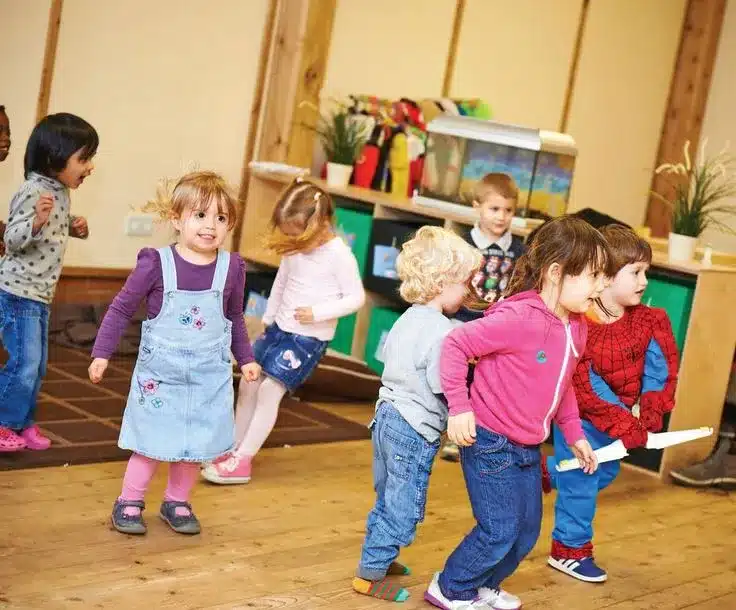
Image by Lantern on Pinterest
Focus: Sound recognition and early literacy.
How: Use animal sounds, nursery rhymes, or alphabet songs.
Example: Play clips of “Old MacDonald” and have children mark the animals they hear on their cards.
Elementary (Ages 7–11)
Focus: Vocabulary, reading comprehension, and math.
How: Use simple pop songs or educational tunes.
Example: For math, assign numbers on bingo cards and play songs whose lyrics include those numbers.
Middle School (Ages 12–14)
Focus: History, geography, and science.
How: Create themed rounds (e.g., U.S. States or space exploration).
Example: Play a song connected to a state (“Sweet Home Alabama”) and have students mark Alabama on their bingo cards.
High School (Ages 15–18)
Focus: Literature, cultural studies, or advanced sciences.
How: Use music genres tied to literature themes or eras.
Example: Pair a unit on the Harlem Renaissance with jazz tracks. Students mark the poets or cultural figures connected to each tune.
College & Adult Learning
Focus: Team-building and review sessions.
How: Use broader themes like world music or leadership songs.
Example: A nursing professor used Muzingo to review anatomy. Instead of songs, she played health-related clips and had students match them to terms like “cardiovascular” or “respiration.”
Tips for Teachers to Maximize Impact
Set Clear Rules – Avoid confusion by clarifying how to win. (See: Music Bingo Rules You’re Probably Getting Wrong).
Match the Playlist to the Lesson – Keep it relevant to your subject matter.
Mix Individual and Group Play – Balance competition with collaboration.
Debrief After Each Round – Use the songs as a jumping-off point for discussion.
FAQs
Q: Do I need special equipment to run music bingo in classrooms?
A: Not really. All you need is a speaker, a playlist, and printed cards (or a digital version like Muzingo).
Q: How much time does a game take?
A: A quick round can take 10–15 minutes, perfect for energizers or review sessions.
Q: Can I customize the playlists?
A: Absolutely. That’s one of the strengths of music bingo. You can tailor songs to your lesson goals and student age group.
Music bingo in classrooms is more than just a fun break from the usual, it’s a serious teaching tool disguised as play.
From boosting student engagement to helping them retain lessons longer, it has the power to make learning memorable.
So here’s my question to you: If music can already move your students emotionally, why not let it move them academically too?
READ MORE: Music Bingo Rules You’re Probably Getting Wrong (#3 Will Shock You!)



Comments
No comments yet.