Music Bingo Night vs Karaoke Night: Which Drives More Bar Revenue?
Image Credit: ELEVATE / Unsplash
On a slow Wednesday night, a bar with 40 seats fills only 12 of them. Drinks sit untouched, staff stand idle, and revenue stalls below ₦80,000 for the night. One week later, the same bar runs a music bingo night. Every table is full. Groups stay longer. Orders double. The difference is not luck. It is format.
A music bingo night is an interactive bar event where players match songs instead of numbers, creating a social and engaging experience. Compared to karaoke nights, music bingo typically drives more consistent participation, repeat attendance, and higher group spending, making it a stronger option for bars focused on increasing revenue.
RELATED BLOG POST
What Is a Music Bingo Night and How Does It Work?
A music bingo night is a group-based bar game where players listen to songs and mark matching titles on bingo cards, creating a shared, interactive experience that keeps customers engaged from start to finish.
Bars introducing the concept through what is music bingo quickly see why it removes the biggest barrier in bar entertainment. Guests do not need confidence or performance skills. They only need recognition.
Each table receives unique cards. A host plays short clips from a curated playlist. Players mark songs they recognise. When someone completes a pattern, they call bingo. That moment triggers a shared reaction across the room.
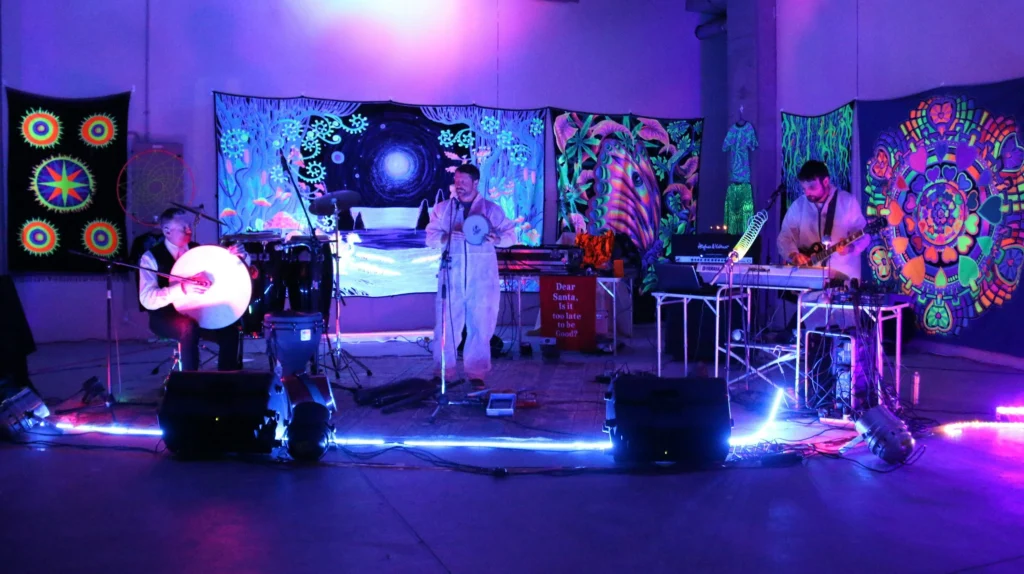
increase bar revenue with interactive games
Rules are simple, and resources like music bingo rules ensure consistency across different venues.
Unlike passive entertainment, a music bingo night activates every customer. That participation layer directly drives longer stays and repeated ordering cycles.
What Happens at a Karaoke Night in Bars?
A karaoke night is a performance-based event where individuals sing on stage while others watch, creating a split between active participants and passive audience members.
Most karaoke nights depend on a rotating queue. One singer performs while the rest of the room observes. Energy spikes during strong performances and drops between them.
In most bars, fewer than 20 percent of guests actively participate. The remaining audience becomes spectators rather than contributors.
This participation imbalance reduces engagement time per customer. Lower engagement often translates to fewer orders and shorter visits.
Music Bingo Night vs Karaoke Night: Key Differences at a Glance
The difference between a music bingo night and a karaoke night comes down to participation structure.
FactorMusic Bingo NightKaraoke NightParticipation rate70–90% of guests10–20% performersCrowd engagementContinuousIntermittentGroup involvementHighLow to moderateRevenue potentialHighVariableEase of hostingStructured systemHost-dependent
According to Eventbrite event trend reports, interactive experiences outperform passive formats in repeat attendance and dwell time, which directly impacts bar revenue.
Which Event Keeps Customers Engaged Longer?
A music bingo night keeps customers engaged longer because it removes idle time and replaces it with constant interaction.
Karaoke nights create gaps between performances. During those gaps, attention drops and customers disengage.

Music bingo nights reset attention every few seconds. Each song clip invites participation. Every table reacts at the same time.
This loop of anticipation and reward increases dwell time. Bars often report customers staying 30 to 60 minutes longer during structured game nights compared to passive entertainment formats.
Resources like managing large crowds at music bingo events show how structured engagement keeps energy stable even in full venues.
Revenue Breakdown: Which Format Makes Bars More Money?
A music bingo night generates more consistent revenue because it aligns engagement with ordering behavior.
Revenue DriverMusic Bingo NightKaraoke NightTable spendHigh (group rounds)ModerateIndividual spendEvenly distributedPerformer-focusedTime per customerExtendedVariableMidweek revenue impactStrongUnpredictable
Music bingo nights encourage group ordering cycles. Tables stay active, interact, and order together.
Karaoke nights concentrate spending around performers. Once their turn ends, many leave.
Guides like how to monetize music bingo show how structured game nights convert engagement into predictable revenue streams.
Why Music Bingo Nights Drive More Repeat Customers
Music bingo nights drive repeat customers because they create social habits tied to your venue.
Weekly gameplay builds routine
Friendly competition encourages return visits
Group interaction strengthens connections
Familiar formats reduce entry friction
The social layer matters. Content like 5 ways bingo game songs nurture bonds explains why shared music experiences deepen relationships.
That emotional connection turns casual visitors into consistent customers.
When Karaoke Nights Still Work Better
Karaoke nights perform best in venues designed around performance culture.
Bars with strong singer communities
Late-night entertainment venues
High-energy crowds seeking attention
Events focused on talent showcases
In these cases, karaoke becomes the main attraction.
However, many bars stabilise revenue by pairing karaoke nights with structured formats on slower days.
How to Choose the Right Format for Your Bar
Choosing between a music bingo night and a karaoke night depends on your revenue priorities and audience structure.
Small to mid-size bars benefit from full-room participation
Mixed audiences respond better to interactive formats
Midweek slots require structured engagement
Revenue-focused bars need consistent ordering behavior
If your goal is predictable revenue, music bingo nights offer a clearer path.
Execution resources like how to host a music bingo night provide step-by-step guidance.
How Muzingo Helps You Run Profitable Music Bingo Nights
Muzingo is a music bingo platform designed for bars, DJs, and event hosts to run structured, high-engagement game nights that drive repeat revenue.
Muzingo removes the complexity of manual hosting.
Players receive unique bingo cards
Hosts play curated song clips
Matches happen instantly
Winning patterns trigger interaction
Tools like how to choose the best music bingo software explain why structured systems outperform manual setups.
Instead of relying on unpredictable entertainment formats, bars gain a repeatable system that aligns engagement with spending.

Image Credit: ELEVATE / Unsplash
Conclusion
Choosing between a music bingo night and a karaoke night is a revenue decision.
Karaoke creates moments. A music bingo night creates systems.
One depends on performers. The other activates every customer in the room.
If your goal is longer stays, higher group spending, and repeat visits, the direction becomes clear. A music bingo night turns your bar into a consistent, high-engagement environment where revenue grows naturally.
Start hosting a music bingo night with Muzingo and turn your bar into a repeat-revenue venue:
play a live music bingo game
FAQ
What is a music bingo night?
A music bingo night is a game where players listen to songs and mark them on bingo cards instead of numbers, creating a shared and interactive group experience in bars.
How do you host a music bingo night?
Hosting a music bingo night involves creating song playlists, distributing unique cards, playing clips, and managing winners. Platforms like Muzingo simplify the process with ready-to-use systems.
Which event makes more money for bars?
A music bingo night typically generates more consistent revenue because it engages more customers simultaneously and increases dwell time and group spending.
Can bars run both karaoke and music bingo nights?
Yes, many bars alternate between karaoke and music bingo nights to attract different audiences while maintaining consistent weekly engagement.


Comments
No comments yet.