Why Do Bars Replace Pub Quizzes With Music Games in 2026?

Image Credit: Helena Lopes / Unsplash
Pub quizzes have been a reliable way to fill bar seats for decades, but many venues are now seeing declining engagement, shorter stays, and reduced spend per table. Music-based games are replacing pub quizzes because they create faster interaction, broader participation, and stronger repeat attendance. For bars in 2026, the shift is already underway.
RELATED BLOG POST
What Are Pub Quizzes and Why Have They Been So Popular?
Pub quizzes are structured trivia games where teams answer knowledge-based questions across multiple rounds, usually hosted weekly in bars. Pub quizzes became popular because they are simple to run, encourage group participation, and create a reason for customers to stay longer.
Bars adopted pub quizzes for three clear reasons:
Low setup cost
Predictable format
Reliable weekly attendance
A typical pub quiz involves a host, printed questions, and teams competing for prizes. This structure worked well in an era where entertainment options inside bars were limited.
However, the same structure that made pub quizzes effective is now creating limitations.
Why Pub Quizzes Are Losing Their Appeal in Modern Bars
Pub quizzes are losing traction because their format no longer matches how modern audiences engage with entertainment.
Three core issues are driving the decline:
Predictable rounds reduce excitement
Knowledge barriers exclude casual participants
Slow pacing limits energy in the room
A pub quiz often rewards a small group of knowledgeable players while others disengage. This creates uneven participation, which directly affects bar atmosphere.
According to Statista, entertainment preferences are shifting toward interactive and experience-driven formats rather than passive or knowledge-heavy activities. This shift explains why pub quizzes feel outdated in many venues.
When engagement drops, dwell time and spending follow.
What Do Modern Bar Audiences Expect From Entertainment?
Modern bar audiences expect entertainment that is fast, inclusive, and socially engaging.
The key expectations are:
Instant participation
Minimal learning curve
High energy interaction
Shareable moments
Group-wide involvement
Music-driven formats meet these expectations better than traditional pub quizzes because they remove the knowledge barrier and replace it with recognition and emotion.
Platforms like Nielsen consistently show that music consumption is deeply tied to emotional engagement and memory recall. This makes music-based games naturally more inclusive than trivia-based formats.
A table of friends may struggle with pub quiz questions, but they can all recognize a song within seconds.
Music Games vs Pub Quizzes: A Clear Comparison
Music games outperform pub quizzes because they optimise for participation and energy rather than knowledge.
FactorPub QuizzesMusic GamesSpeedSlow roundsFast-pacedParticipationKnowledge-basedUniversalEnergyModerateHighRepeatabilityLimitedHigh
In a pub quiz, the experience depends on intellectual performance. In music games, the experience depends on shared recognition and reaction.
This shift changes how customers behave:
More people stay engaged throughout
Groups interact more frequently
Energy remains consistent across the night
That difference directly impacts revenue.
Why Do Music Games Generate More Revenue for Bars?
Music games increase revenue because they extend dwell time and encourage repeat participation.
Three mechanisms drive this outcome:
Longer dwell time
Customers stay longer when entertainment remains engaging. Music games maintain energy, unlike pub quizzes where attention drops between rounds.Broader participation
More players engage at once, which increases group spending. In pub quizzes, inactive participants often disengage and spend less.Repeat visits
Music games offer higher replay value because playlists can change weekly. Pub quizzes often feel repetitive.
Hosting a Music Bingo event is easy with a ready-made PDF kit and Muzingo’s automated playlist tools.
Bars using music-based formats frequently report increased midweek traffic and higher average spend per table. You can explore monetisation strategies in detail here:
learn how to monetize music bingo
Revenue growth is not accidental. It is driven by how the format keeps customers engaged.
How Do Music Games Improve Customer Retention?
Music games improve retention because they create emotional connection and familiarity.
Three retention drivers stand out:
Recognition of songs triggers memory and emotion
Shared moments create group bonding
Weekly format builds habit
When customers associate a bar with a fun, predictable experience, they return consistently. Pub quizzes struggle here because difficulty levels vary and engagement is inconsistent.
Music games maintain a stable experience across sessions, which strengthens retention over time.
For a deeper look at how group connection works in these formats, see:
how interactive music games bring groups together
How to Transition From Pub Quizzes to Music Games
Bars can replace pub quizzes with music games using a structured transition process.
Steps:
Evaluate current quiz performance
Analyse attendance, dwell time, and revenue from existing pub quizzes.Choose a music-based format
Select a platform designed for bar environments, such as
explore music bingo softwareTrain staff
Ensure hosts understand the format and pacing of music games.Promote the relaunch
Use social media and in-bar promotion to announce the change.
learn how to promote your music bingo eventRun weekly events
Consistency builds audience expectation and habit.
To understand gameplay mechanics, visit:
see how music bingo works
This process allows bars to move away from pub quizzes without losing their existing audience.
What Mistakes Do Bars Make When Replacing Pub Quizzes?
Bars often fail in transition because execution does not match the new format.
Common mistakes include:
Weak promotion before launch
Scheduling at low-traffic times
Inconsistent event delivery
A pub quiz can survive poor execution because it is familiar. Music games require deliberate setup and consistent hosting.
Avoiding these mistakes ensures the new format delivers results quickly.
Why Muzingo Is Built for Modern Bar Entertainment

Image Credit: Elevate / Unsplash
Muzingo is designed specifically to replace pub quizzes with a more engaging, scalable format.
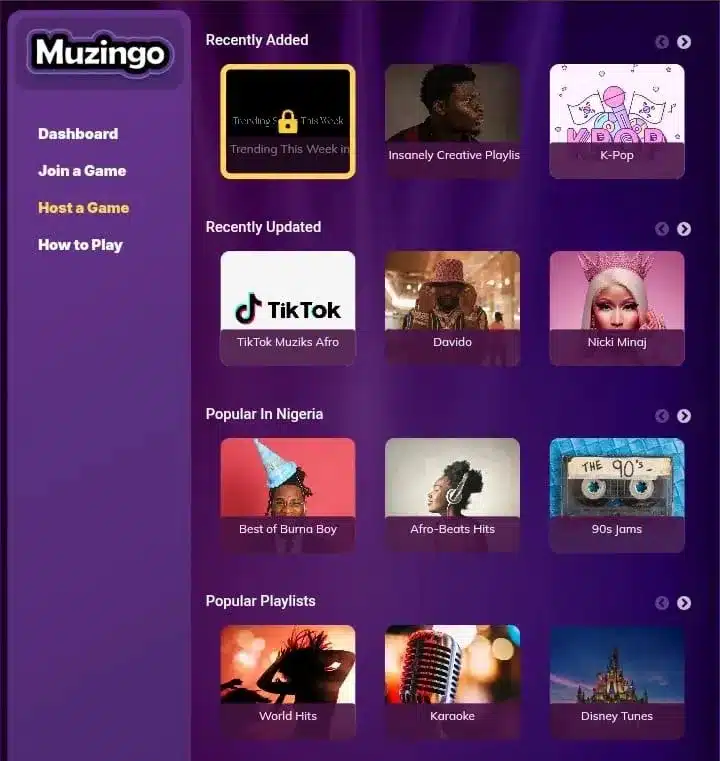
Muzingo works as a music bingo platform where players receive song-based bingo cards, listen to clips, and match tracks in real time. This creates instant participation across the room.
Key advantages:
Easy setup for bar staff
Scalable for small or large venues
Built for high engagement
You can start immediately here:
play music bingo for free
And if you are evaluating options:
choose the best Muzingo plan
For a full breakdown of the platform:
view the product walkthrough
Muzingo transforms slow quiz nights into high-energy events that drive revenue.
For more context on the platform’s design and implementation, see
Muzingo
Conclusion
Pub quizzes built the foundation for bar entertainment, but their limitations are becoming clear in a market that values speed, inclusion, and experience. Music games solve these limitations by increasing participation, sustaining energy, and driving repeat visits.
Bars that continue relying on pub quizzes risk declining engagement and revenue. Bars that adopt music games create a stronger, more consistent customer experience.

Image Credit: Helena Yankovska / Unsplash
FAQ
What are pub quizzes?
Pub quizzes are team-based trivia games hosted in bars where participants answer questions across multiple rounds. They are typically knowledge-driven and reward teams with the highest scores at the end of the session.
Why are pub quizzes becoming less popular?
Pub quizzes are becoming less popular because they rely on repetitive formats, exclude less knowledgeable players, and often create slower-paced environments that reduce engagement and energy.
What is the best alternative to pub quizzes?
The best alternative to pub quizzes is music-based games, which allow all participants to engage through song recognition rather than knowledge, creating a more inclusive and energetic experience.
Do music games increase bar revenue?
Music games increase bar revenue by extending dwell time, encouraging group participation, and driving repeat visits, which leads to higher overall spending per customer group.



Comments
No comments yet.