
How to Write a Badass Music Business Plan for Your Career
You are making music and hoping it turns into something.
You release songs, post online, chase opportunities, and say yes more often than you pause. You tell yourself that consistency will eventually save you.
But deep down, you feel it.
You are busy, yet unsure what you are building toward.
That confusion is not a motivation problem. It is a planning problem.
A music business plan gives your effort direction. It helps you understand what matters, what does not, and what each decision is actually for. Without it, progress feels accidental. With it, momentum becomes intentional.
This guide shows you how to write a music business plan that works for a real artist, not a corporation.
RELATED BLOG POST
What a Music Business Plan Really Is (and What It Isn’t)
A music business plan is not a pitch deck.
It is not a spreadsheet.
It is not something you write once and forget.
A music business plan is a decision-making tool. It exists to help you answer questions like:
What am I building toward?
What does success look like for me right now?
Which opportunities deserve my energy?
What it is not is a document for investors or labels. Most artists will never need that version. What you need is clarity.
Most artists already have pieces of a music business plan scattered everywhere. Your notes app, your frustrations, your dreams, your burnout. Writing it down simply turns noise into structure.
Why Every Musician Needs a Business Plan
A business plan for musicians matters because effort without direction creates exhaustion.
When you do not have a plan:
Every opportunity feels urgent
Every platform feels necessary
Every delay feels like failure
A business plan for musicians gives your career boundaries. It helps you choose intentionally rather than react emotionally.
It also protects your creativity. When decisions are clearer, your music stops carrying the burden of solving your entire future.
Artists who skip planning often end up chasing visibility instead of building stability. That is why virality rarely turns into longevity, as explained in Why Viral Songs Don’t Make Artists Successful.
The Core Parts of a Musician Business Plan
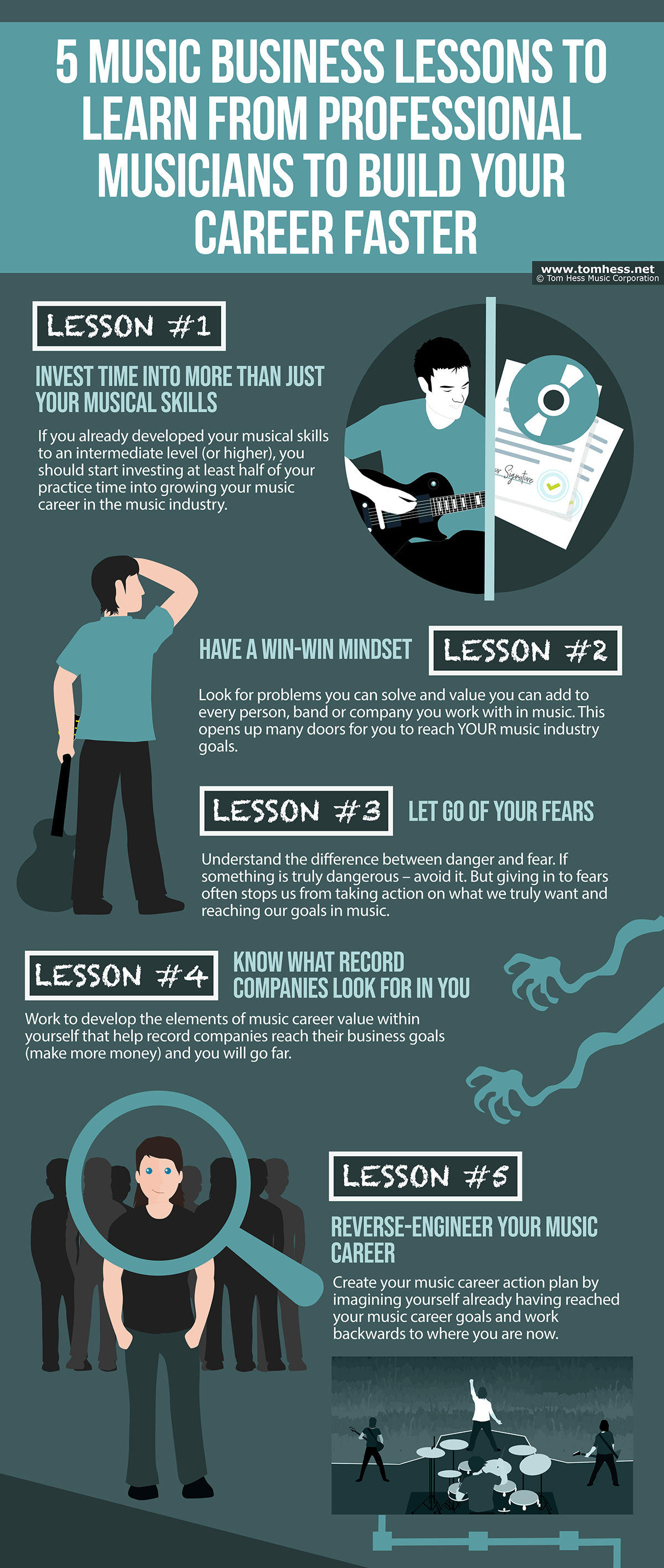
A musician business plan does not need sections or formal language. It needs answers.
Here are the core parts that matter.
1. Direction
Why are you doing this, and what do you want your music to give you in the next one to three years? Income, freedom, recognition, skill growth. Choose deliberately.
2. Audience
Who actually listens, shows up, or responds? Not everyone. Knowing this shapes every release and decision.
3. Revenue Reality
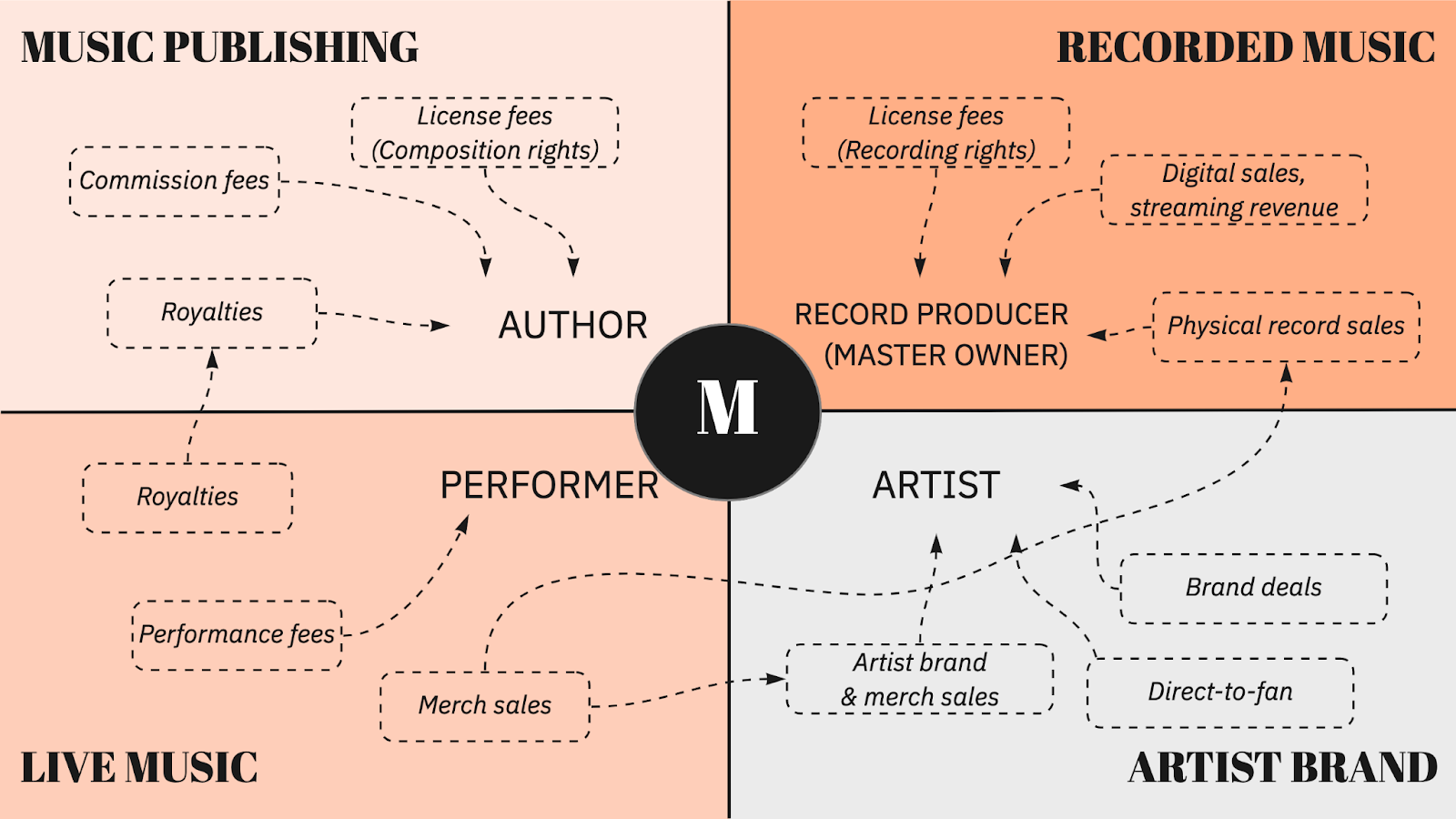
List every current and potential income path. Streaming, live shows, games, collaborations, teaching, content. Even if it earns nothing yet.
If money feels vague, read How to Make Money as a Music Artist.
4. Effort Allocation
Where does your time actually go? Compare that to your goals. Misalignment explains most frustration.
How to Write a Simple Business Plan for Musicians
Writing business plans for musicians does not start with writing. It starts with reflection.
Step 1: Define What You Are Building
Not fame. Not streams. Be specific. Are you building a sustainable independent career? A performance-based income? A creative brand?
Step 2: Clarify Your Non-Negotiables
How often can you realistically release? Tour? Promote? Your plan must fit your life.
Step 3: Create a Decision Filter
Before saying yes, ask:
Does this move me closer to my stated goal?
Does it support my audience?
Does it respect my capacity?
This is where most artists gain relief. You stop doing things that look productive but lead nowhere.

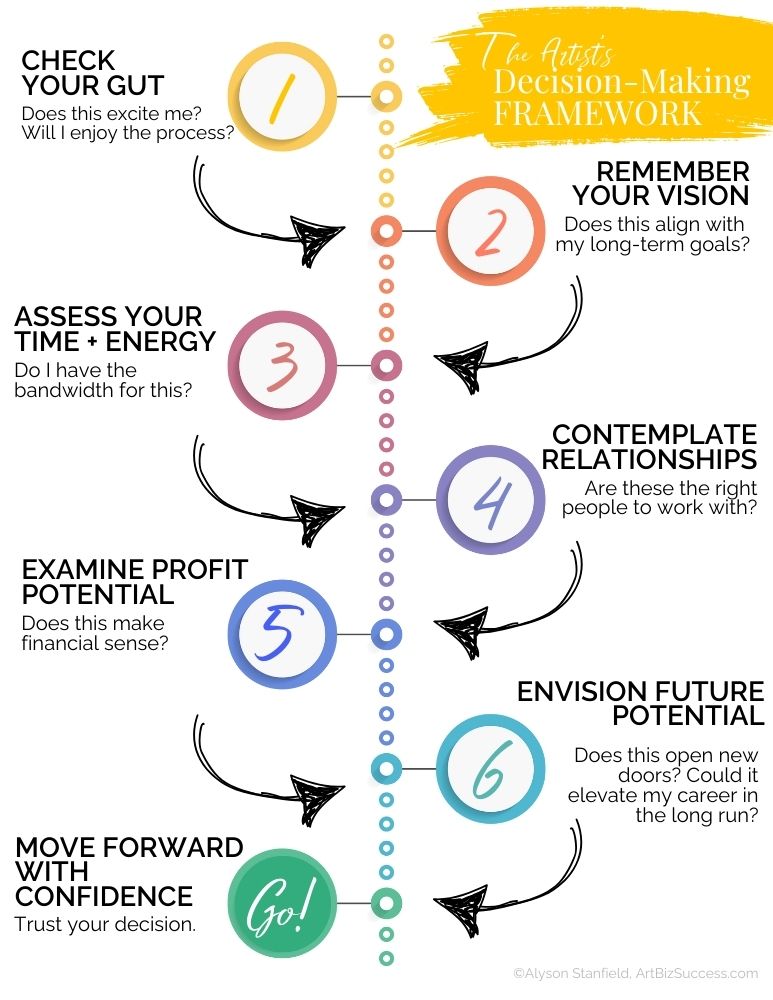
How a Music Business Plan Helps You Make Better Decisions
Music business plans turn confusion into criteria.
Instead of asking, “Is this a good opportunity?” you ask, “Is this right for my current plan?”
That shift changes everything.
It helps you:
Price your work without guilt
Say no without explanation
Measure progress realistically
Planning also exposes gaps. Maybe you have listeners but no engagement. Maybe you perform often but monetize poorly. Articles like How to Monetize Music Bingo show how structured thinking turns creativity into income.
Common Mistakes Artists Make When Planning Their Career
The most common mistake is overcomplication.
The second is avoiding planning entirely.
Other mistakes include:
Copying another artist’s path
Planning for success without planning for sustainability
Treating hope as strategy
Your music business plan exists to support you, not impress anyone.
Your Music Business Plan Is Allowed to Change

The music industry shifts constantly. Your life will too.
A music business plan is not a contract. It is a living reference point. You revisit it when you grow, when you burn out, or when your goals change.
Artists who plan stay flexible because they know why they are pivoting.
To see how clarity and structure support growth in practice, review the Muzingo case study.


Turning Planning Into Action
Planning without action becomes theory. Action without planning becomes chaos.
Tools matter when they align with intention.
Platforms like Muzingo show how artists can turn listeners into participants and engagement into income, especially when decisions are intentional.
Creating experiences, not just releases, is one way artists bring their music business plan to life. Resources like Creating Music Bingo Playlists with Muzingo demonstrate how planning connects directly to execution.

Final Step: Act With Intention
You do not need more hustle.
You need direction.
A music business plan helps you stop drifting and start choosing. It turns effort into progress and noise into momentum.
Create a music business plan. Then act on it. Start a Muzingo game and test intentional audience engagement.
FAQ
What is a music business plan?
A music business plan is a personal decision-making guide that helps you align your effort, goals, and income as an artist.
Do independent artists really need a business plan?
Yes. Independent artists need clarity more than anyone because no one else is directing their career.
How detailed should a business plan for musicians be?
Only detailed enough to guide your decisions. If it creates pressure, it is too complex.



Comments
No comments yet.