

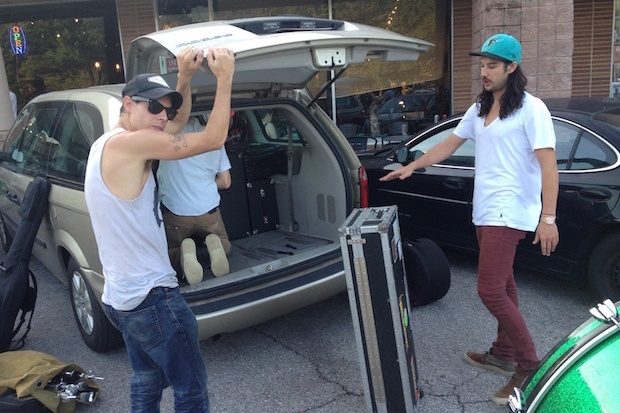

Life as a musician touring by road looks glamorous from the outside. In reality, it is a test of preparation, discipline, and financial awareness. For independent artists playing bar gigs, club shows, and small venues, touring without a manager or crew means every mistake costs time, money, or momentum.
This guide breaks down the real essentials touring musicians rely on to survive road tours without burning out, going broke, or sabotaging their future.
RELATED BLOG POST
- HOW TO MAKE MONEY AS A MUSIC ARTIST WITHOUT SELLING YOUR SOUL
- THE ONLY MUSIC CAREER STRATEGY YOU NEED
- WHY VIRAL SONGS DON’T MAKE ARTISTS SUCCESSFUL
- WHAT IS MUSIC BINGO
1. A Touring Budget That Keeps You Alive
Most touring musicians fail here first.
Before booking shows, calculate your nightly break-even point. Add fuel, food, accommodation, tolls, and emergency buffer. Divide that by the number of shows. That number is the minimum you must earn per night to survive the tour.
Experienced touring musicians treat budgets as survival tools, not restrictions. Bar gigs that do not meet the minimum either get renegotiated or dropped.
This is why many artists eventually rethink how they earn beyond performance fees, as explored in HOW TO MAKE MONEY AS A MUSIC ARTIST WITHOUT SELLING YOUR SOUL. Touring income works best when combined with multiple revenue streams.
Why this works: budgeting removes emotion from booking decisions and prevents slow financial bleed across a tour.
2. Reliable Transport and Routing Discipline
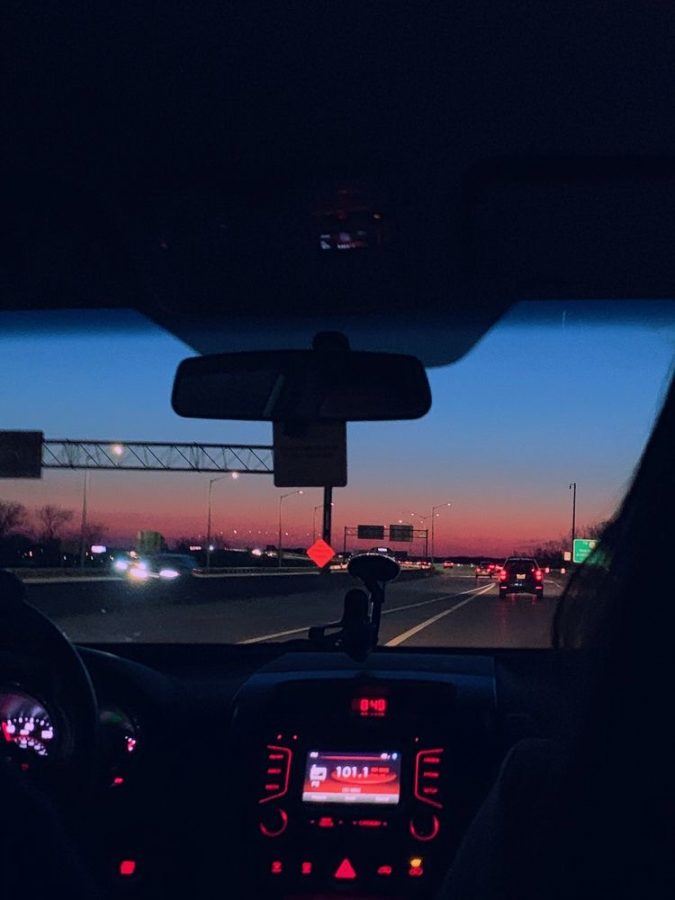
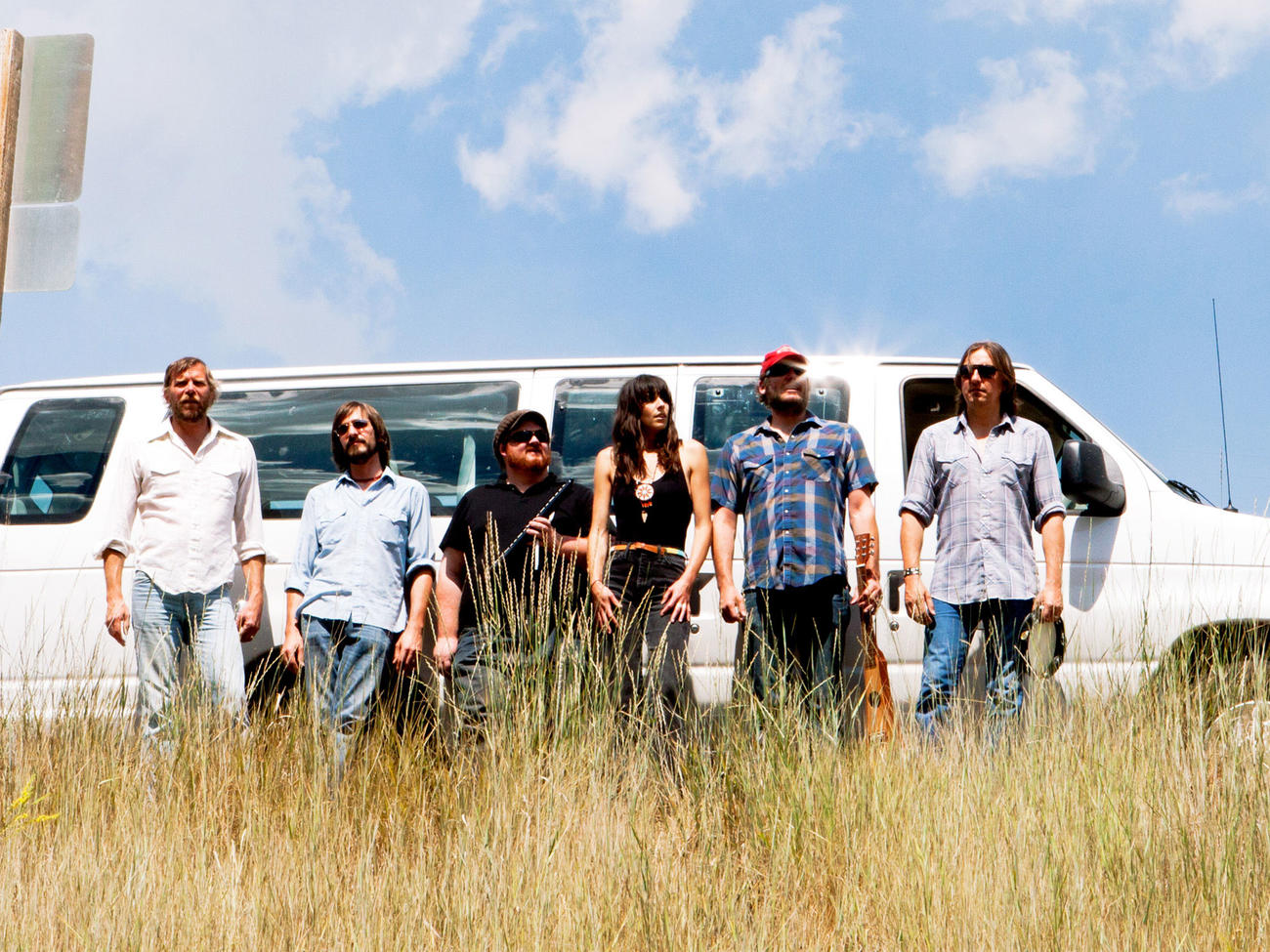
Tour musicians underestimate distance more than talent.
Plan routes using Google Maps with offline maps enabled. Always account for load-in time, traffic, and soundcheck windows. A four-hour drive easily becomes six when touring conditions are real.
Confirm venue addresses and parking details the morning of every show. Touring musicians who arrive late lose leverage, trust, and sometimes payment.
Why this works: routing discipline protects performance quality and professional reputation.
3. A Payment-First Mindset
Unpaid gigs end tours faster than bad shows.
Independent touring musicians confirm payment terms before arrival. Even for bar gigs, clarify fee, payout time, and method in writing. Verbal agreements fail most often on the road.
Use tools like PayPal or Cash App to collect immediately after performing. If payment is delayed, it becomes optional in the promoter’s mind.
Why this works: payment clarity removes ambiguity and protects touring cash flow.
4. Compact, High-Return Merch Essentials
Merch does not need to be bulky to be profitable.
Touring musicians succeed with stickers, QR-linked downloads, limited tees, and digital bundles. These travel easily and convert impulse interest into income.
QR codes linking to music, mailing lists, or interactive experiences extend the value of one-night audiences. This aligns with long-term thinking emphasized in THE ONLY MUSIC CAREER STRATEGY YOU NEED.
Why this works: merch multiplies the value of every show without increasing travel costs.
5. Tools That Replace a Missing Tour Manager


Most emerging touring musicians manage everything themselves.
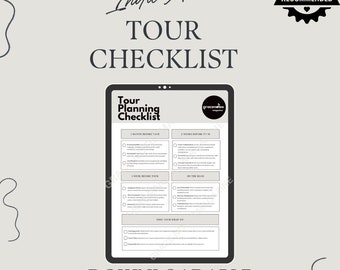
Tools like Bandsintown and Songkick handle show listings and fan notifications. Splitwise prevents financial conflict by tracking shared expenses transparently.
These tools replace manual admin and reduce internal stress that kills small tours.
Why this works: systems reduce cognitive load, leaving energy for performance.
6. Audience Engagement Between Sets
Small venues live or die by energy.
Interactive moments keep crowds present and spending. One effective option is using formats explained in WHAT IS MUSIC BINGO, where music itself becomes a shared experience rather than background noise.
Touring musicians who introduce light interactive moments often see higher merch sales and stronger post-show engagement. The execution process is broken down in HOW TO HOST A MUSIC BINGO NIGHT UNFORGETTABLE.
Why this works: engagement converts passive listeners into participants.
7. Physical and Mental Survival on the Road
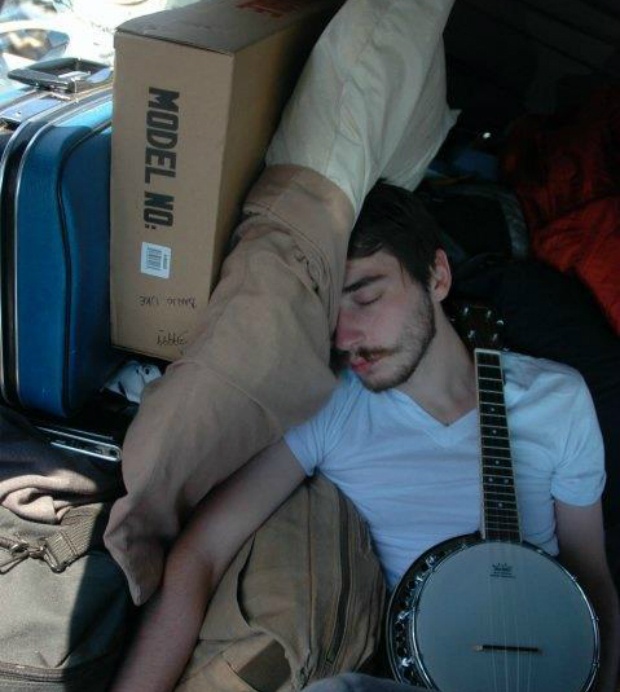

Burnout ends more tours than bad routing.
Plan sleep intentionally. Eat real meals when possible. Build simple routines that anchor your day regardless of location.
Touring musicians who ignore physical needs compromise vocal performance, timing, and decision-making.
Why this works: stamina compounds across multiple shows.
Take Your Game Nights to the Next Level
Muzingo is a fun game where players listen to music tracks and match them to bingo cards — competing to win prizes with friends.
Play Muzingo FreeNo Card Required
8. Documentation and Career Signals
Every show is proof.
Capture short videos, crowd reactions, and venue signage. These assets support future bookings and negotiations.
Professional documentation signals reliability to promoters and partners. This becomes increasingly important as musicians move beyond local gigs.
Why this works: proof accelerates trust faster than promises.
9. Income Reality Check for Touring Musicians

Many ask how much touring musicians make. The honest answer depends on preparation.
Early tours rarely generate profit from performance fees alone. Artists who survive treat touring as a growth engine, not an ATM. This reframes expectations discussed further in WHY VIRAL SONGS DON’T MAKE ARTISTS SUCCESSFUL.
Why this works: realistic expectations prevent destructive decisions.
10. Touring With a Long-Term Career Strategy


Touring works best when aligned with a bigger plan.
Independent musicians who connect live shows to audience ownership, engagement tools, and repeatable formats build careers that last. Platforms like Muzingo illustrate how interactive music experiences can support both connection and income.
BONUS TIPS
11. Pre-Tour Communication That Prevents Chaos



Many touring problems happen before the car even starts moving.
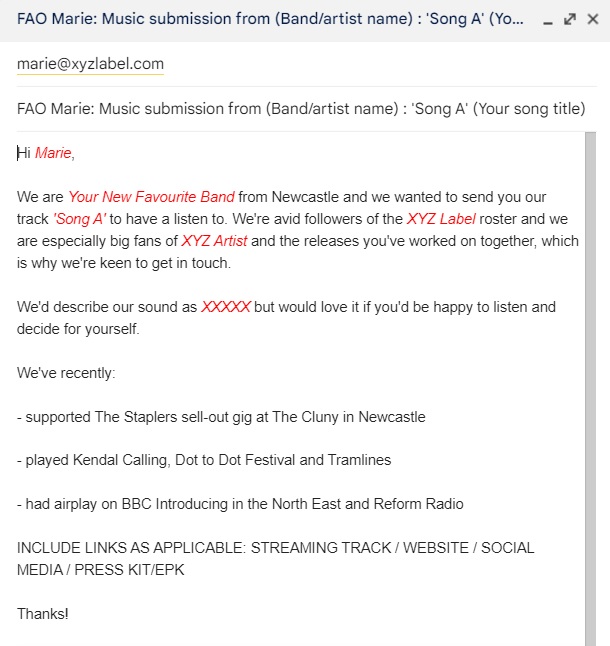
Independent musicians often assume venues will handle details automatically. In reality, small venues and bar gigs are informal environments where miscommunication is common. Touring musicians who survive treat pre-tour communication as a system, not a courtesy.
Three to five days before every show, confirm essential details in writing. This includes set length, start time, soundcheck window, payment method, and load-in instructions. The goal is not politeness. The goal is removing ambiguity.
A simple confirmation message protects you from last-minute surprises like shortened sets, delayed payouts, or shared bills you were not warned about. Touring musicians who do this consistently appear more professional and gain leverage even at small venues.
Why this works: clarity reduces friction, protects your energy, and preserves income before problems arise.
12. Emergency Preparedness for Road Touring
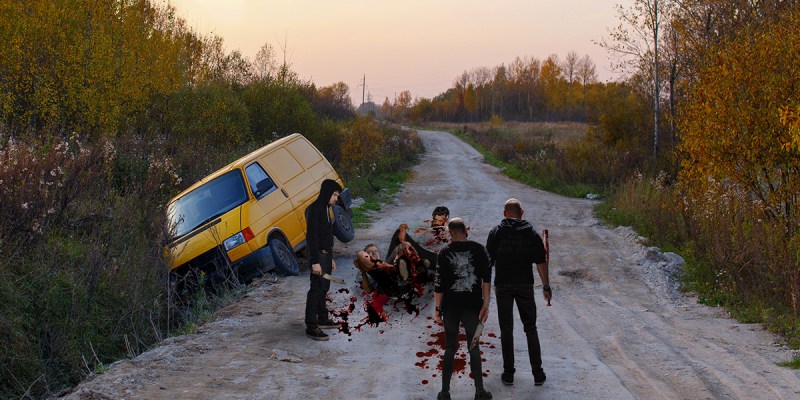
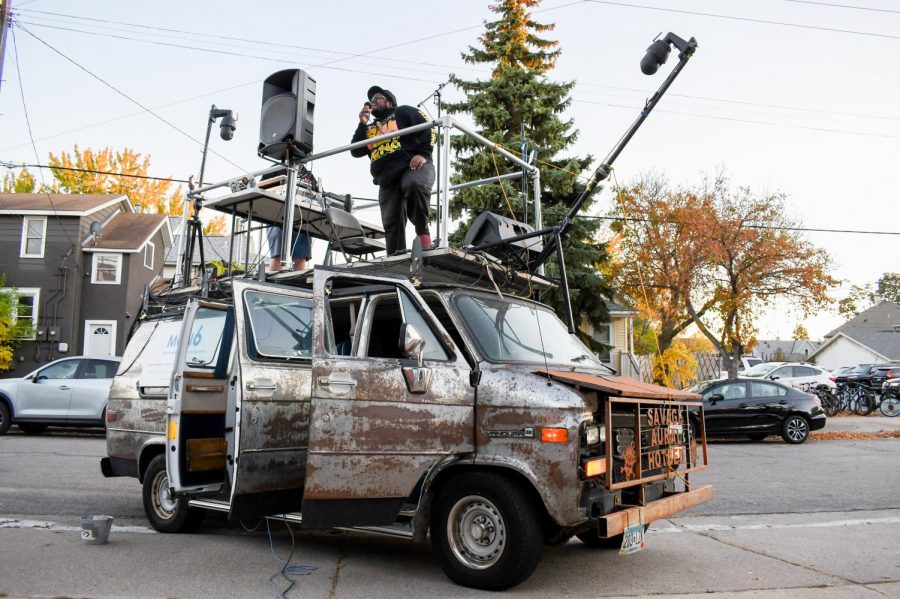

Road tours fail when emergencies meet unprepared musicians.
Breakdowns, illness, lost gear, and delayed arrivals are not rare. They are expected conditions of road touring. Surviving musicians prepare for disruption instead of hoping it will not happen.
Carry a basic emergency kit. This includes backup cables, extension cords, power strips, a phone charger for every device, pain relievers, throat lozenges, and a small cash reserve. These items are not glamorous, but they prevent show-ending failures.
Touring musicians also plan contingency time. Leaving earlier than necessary creates flexibility when traffic or mechanical issues appear. This buffer often saves entire tour legs.
Why this works: preparedness converts emergencies into delays instead of cancellations.
13. Post-Show Follow-Up That Extends Tour Value


The show does not end when the last song finishes.
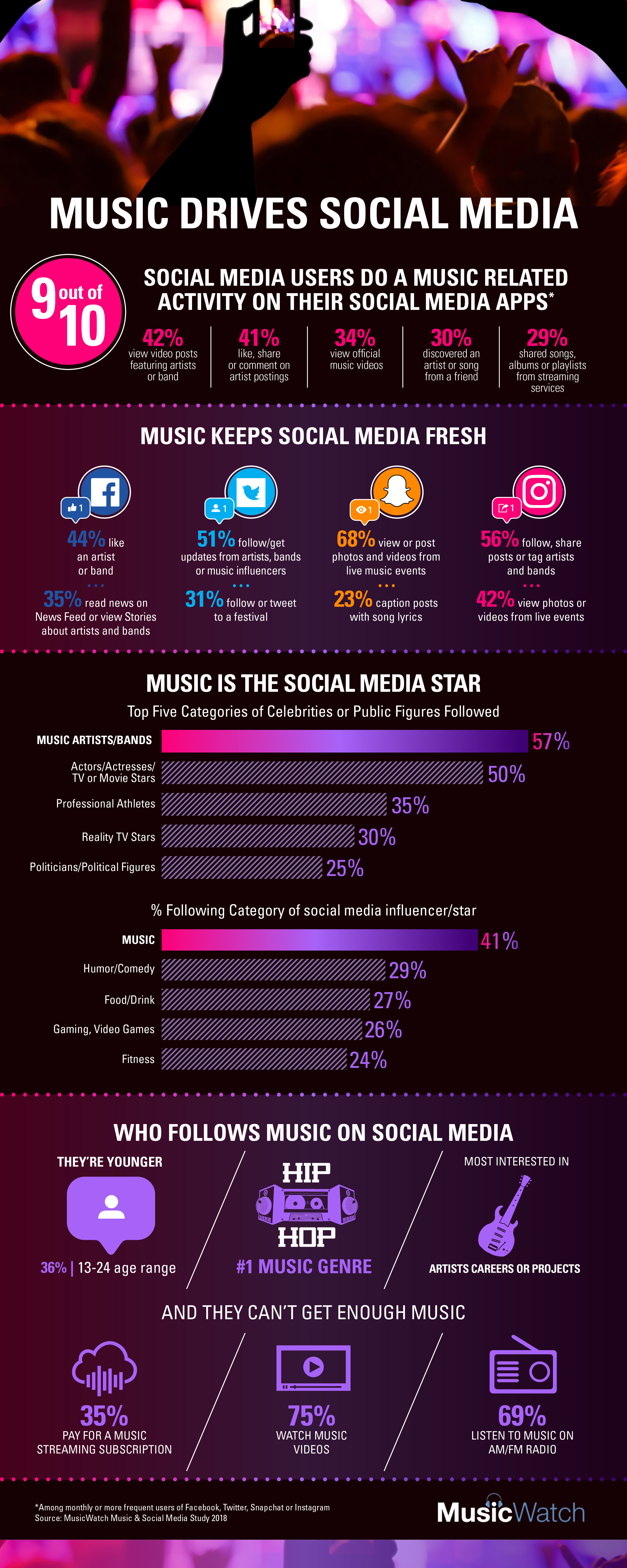
Touring musicians who grow treat post-show follow-up as part of the performance cycle. After every gig, capture and share one short recap. This can be a crowd video, a stage photo, or a thank-you post tagging the venue.
This habit strengthens relationships with promoters, increases rebooking chances, and builds visible proof of activity. Over time, these signals stack into credibility that opens better opportunities.
Following up with venues privately also matters. A short message thanking the host reinforces professionalism and keeps doors open for return dates.
Why this works: follow-up turns one-night gigs into long-term assets.
14. Knowing When to Say No on Tour
Survival sometimes means refusal.
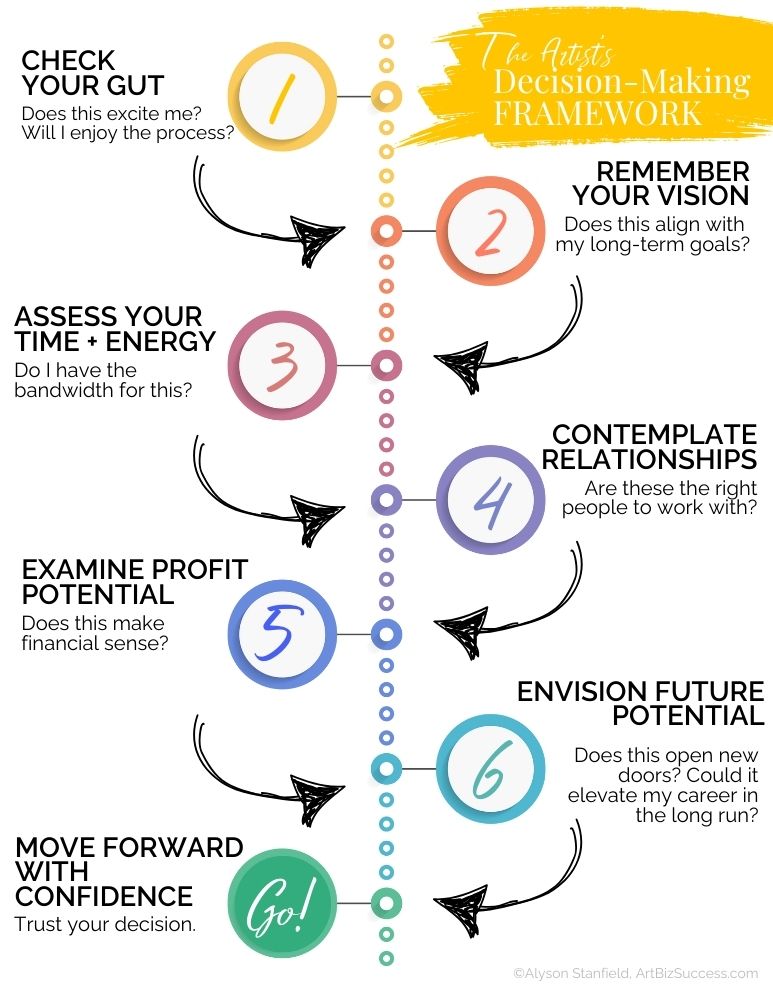
Not every show deserves a yes. Touring musicians who last develop criteria for declining gigs that cost more than they return. This includes low pay, unsafe venues, unrealistic schedules, or unclear expectations.
Saying no protects your health, finances, and reputation. It also creates space for better opportunities. Artists who accept everything often burn out before progress appears.
Selective touring preserves momentum instead of exhausting it.
What’s Next?
Create a music-based interactive experience that keeps your audience engaged, spending, and remembering you after the show.
Start a free interactive music game for your next event and see how touring musicians turn small venues into unforgettable nights.
You can also explore how the platform works on Muzingo’s official site.