


Music is something we hear.
But the artists who shape culture are often remembered by what we see.
Think about the most legendary performances in music history. Chances are you can picture the outfit before you remember the exact song.
Michael Jackson’s red jacket.
Madonna’s cone bra.
Daft Punk’s glowing helmets.
These moments show the strange power of music artist costumes. A single visual detail can transform a performance into cultural memory.
In an industry crowded with talent, visual identity becomes a shortcut for recognition. The brain processes images faster than sound, which means a striking outfit can anchor an artist’s entire brand.
That is why many of the most iconic musicians in history carefully crafted their stage fashion. Their clothing was never random. It was part of the story.
RELATED BLOG POST
• HOW TO MAKE MONEY AS A MUSIC ARTIST
• THE ONLY MUSIC CAREER STRATEGY YOU NEED
• WHY VIRAL SONGS DON’T MAKE ARTISTS SUCCESSFUL
• BUILD A MUSIC ARTIST WEBSITE ON A BUDGET
Why Stage Outfits Matter in Music
Stage fashion is more than decoration. It is a powerful branding tool.
When audiences watch a performance, they process several layers of information at once: sound, movement, lighting, and visual identity. Among these, visual cues often stick the longest.
That is why many famous musicians build recognizable looks that audiences can identify instantly. A signature outfit can function almost like a logo.
David Bowie’s Ziggy Stardust costume turned him into a character rather than just a singer. Madonna used fashion to challenge cultural norms and define her pop identity. Prince created an entire era around the color purple.
For artists building careers, identity matters as much as talent. Many musicians eventually realize that branding and strategy shape success just as much as songwriting. Learning how musicians make money from their careers often begins with understanding how identity attracts attention.
Another reality of modern music is that viral fame rarely lasts without a strong identity behind it. Many artists discover that why viral songs don’t guarantee artist success has less to do with luck and more to do with whether audiences remember the artist after the trend fades.
Stage outfits play a surprising role in that memory.
10 Iconic Music Artist Costumes That Made History
Michael Jackson — Thriller Jacket
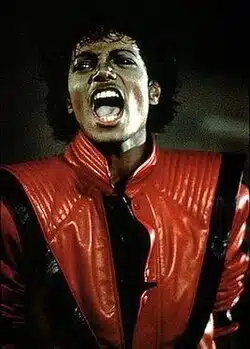
Few famous musician costumes are as recognizable as Michael Jackson’s red leather jacket from the Thriller video.
The outfit combined bold color with sharp geometric design, making it visually unforgettable. When Jackson danced through the zombie-filled streets, the jacket became part of the choreography itself.
The cultural impact was enormous. Replicas sold worldwide, and the jacket remains one of the most recognizable pieces of pop fashion ever created.
Freddie Mercury — Yellow Military Jacket
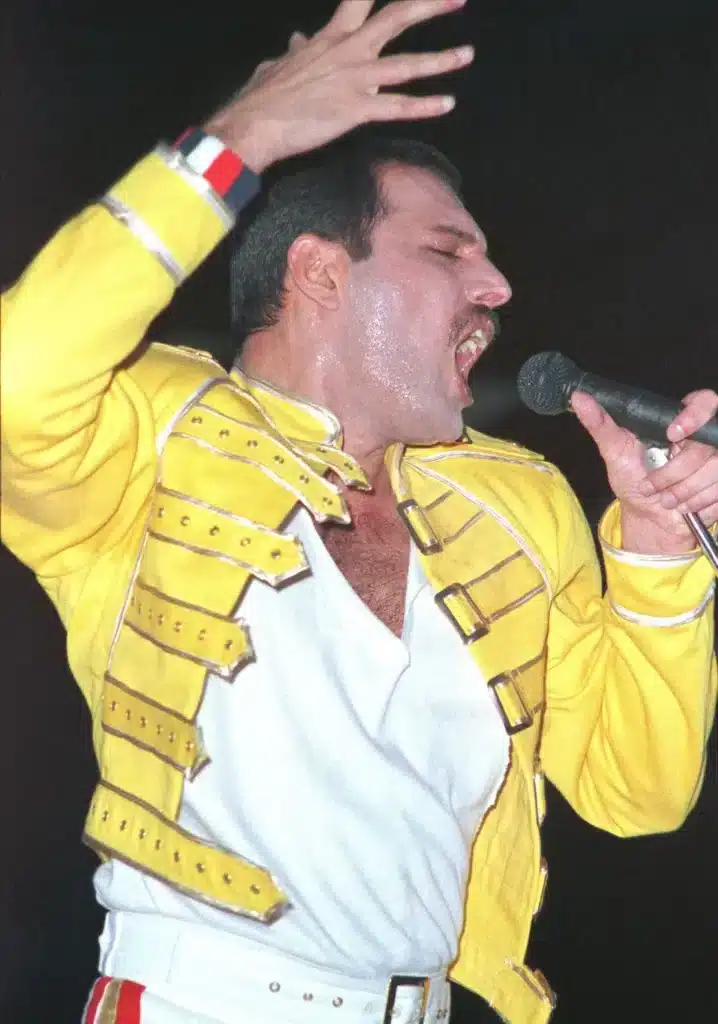
Freddie Mercury’s performance at Wembley Stadium in 1986 remains one of the most celebrated moments in rock history.
Wearing a bright yellow military-style jacket, Mercury commanded the stage in front of tens of thousands of fans. The outfit amplified his dramatic presence and matched the grand scale of stadium rock.
That jacket became a symbol of Queen’s era of massive live performances.
David Bowie — Ziggy Stardust Suit
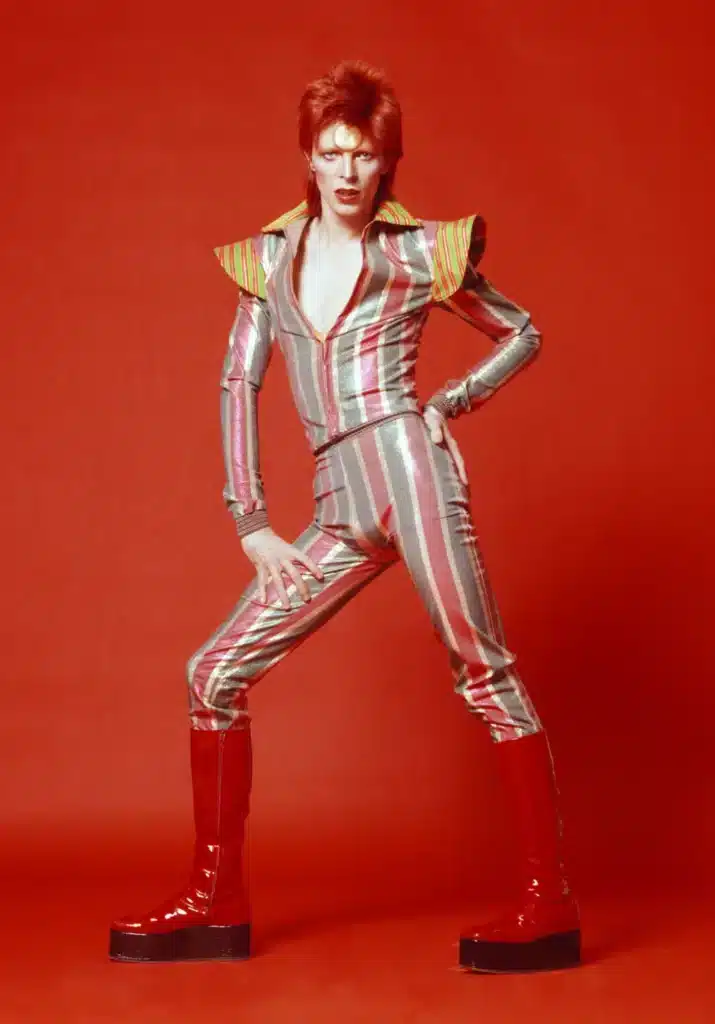
David Bowie changed the identity of rock music when he introduced the Ziggy Stardust persona.
The glittering jumpsuits, bright hair, and futuristic makeup turned Bowie into a theatrical character from another planet. The costume blurred gender boundaries and reshaped what rock stars could look like.
More than fashion, Ziggy Stardust became a storytelling device that influenced generations of performers.
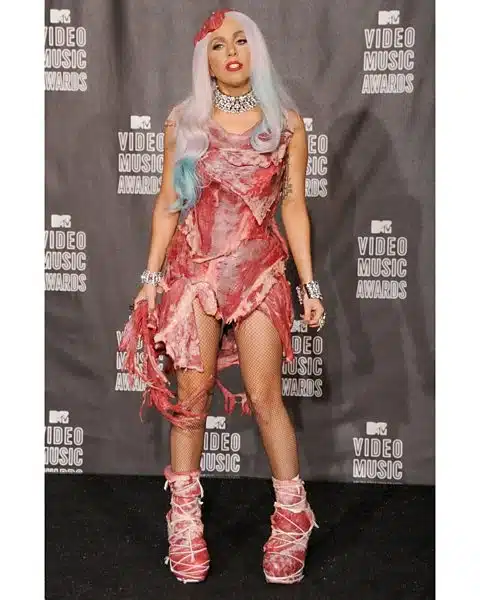
Lady Gaga — The Meat Dress
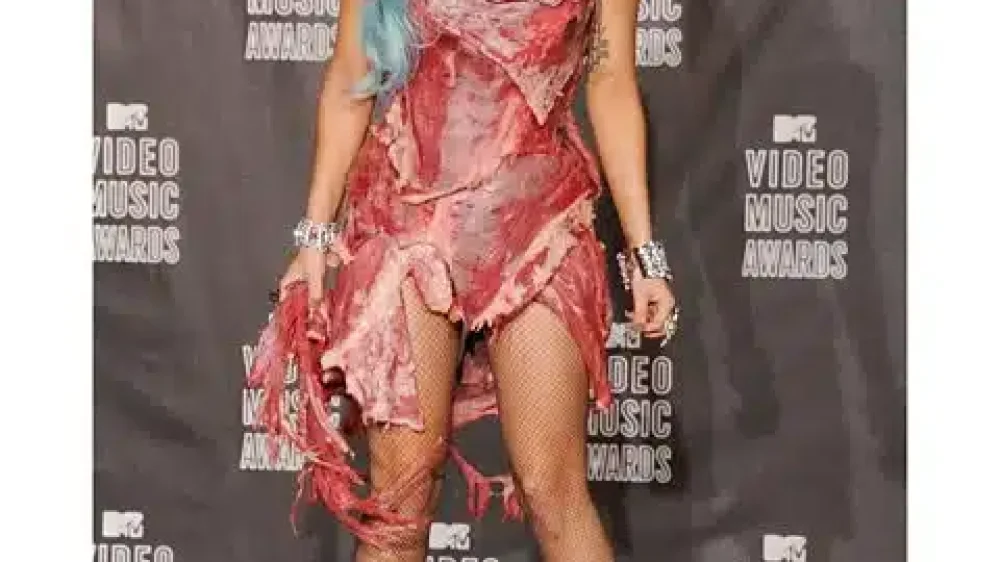
When Lady Gaga appeared at the MTV Video Music Awards wearing a dress made entirely of raw meat, the image exploded across global media.
The outfit sparked controversy, debate, and fascination all at once.
Some saw it as art. Others saw it as protest. Regardless of interpretation, it became one of the most talked-about iconic stage outfits in modern pop culture.
Madonna — Cone Bra
Madonna’s Blond Ambition Tour introduced one of the most famous artists stage outfits ever designed.
The cone bra, created by fashion designer Jean Paul Gaultier, combined theatrical fashion with provocative performance art. It challenged expectations about femininity and power.
The image became inseparable from Madonna’s identity as a boundary-pushing pop star.
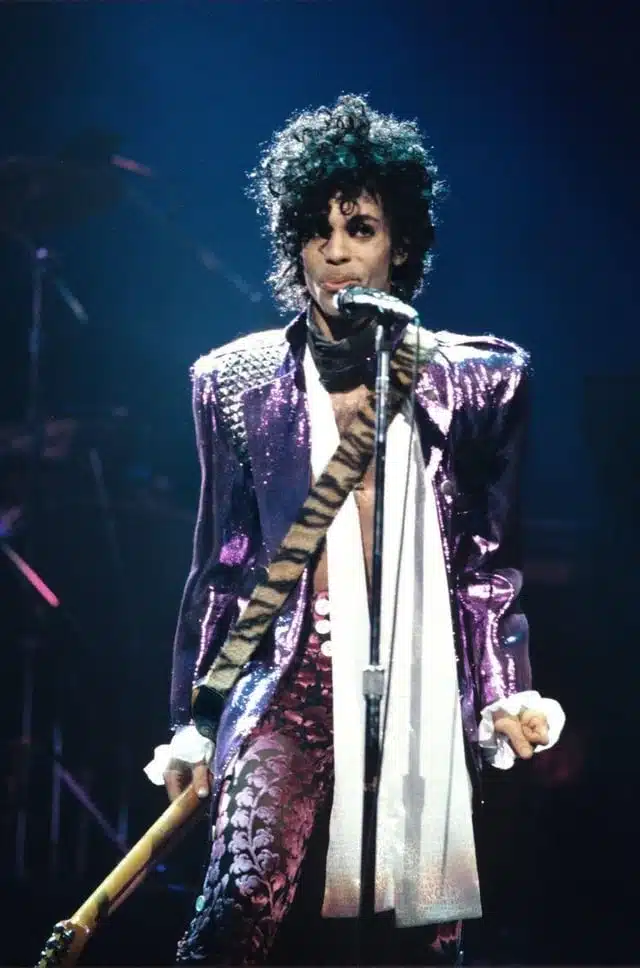
Prince — Purple Trench Coat
Prince’s stage fashion often revolved around a single color: purple.
During the Purple Rain era, the purple trench coat became a visual extension of his music. Fans instantly associated the color with Prince’s mystique and sensual performance style.
Few artists have linked visual identity and musical identity so closely.
Elton John — Feathered Stage Costumes
Elton John approached concerts like theatrical productions.
His extravagant stage costumes featured feathers, sequins, oversized glasses, and glittering fabrics. These outfits turned performances into visual spectacles.
The flamboyant style helped Elton John become one of the most recognizable entertainers in the world.
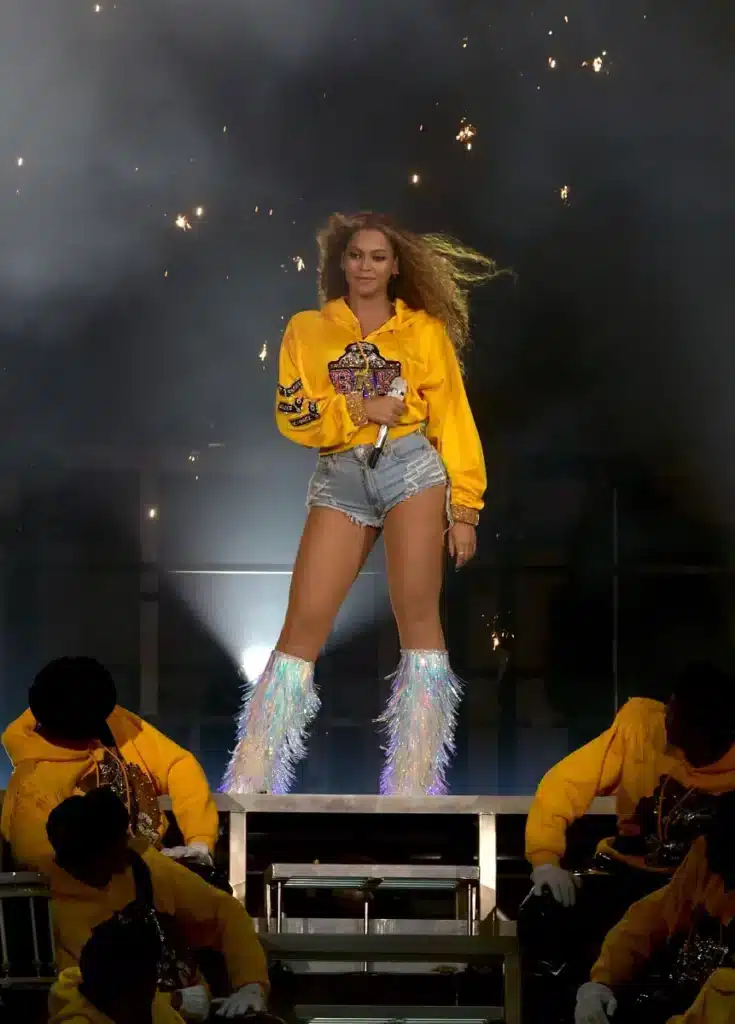
Beyoncé — Coachella Yellow Outfit
Beyoncé’s 2018 Coachella performance became historic for many reasons, including its visual symbolism.
Take Your Game Nights to the Next Level
Muzingo is a fun game where players listen to music tracks and match them to bingo cards — competing to win prizes with friends.
Play Muzingo FreeNo Card Required
Her bright yellow outfit referenced historically Black colleges and universities, celebrating cultural heritage and pride.
The performance combined powerful choreography with visual storytelling, turning the outfit into a symbol of representation.
Daft Punk — Robot Helmets
Daft Punk created one of the most fascinating branding strategies in music history.
Instead of showing their faces, they performed wearing robotic helmets and gloves. The futuristic costumes turned anonymity into identity.
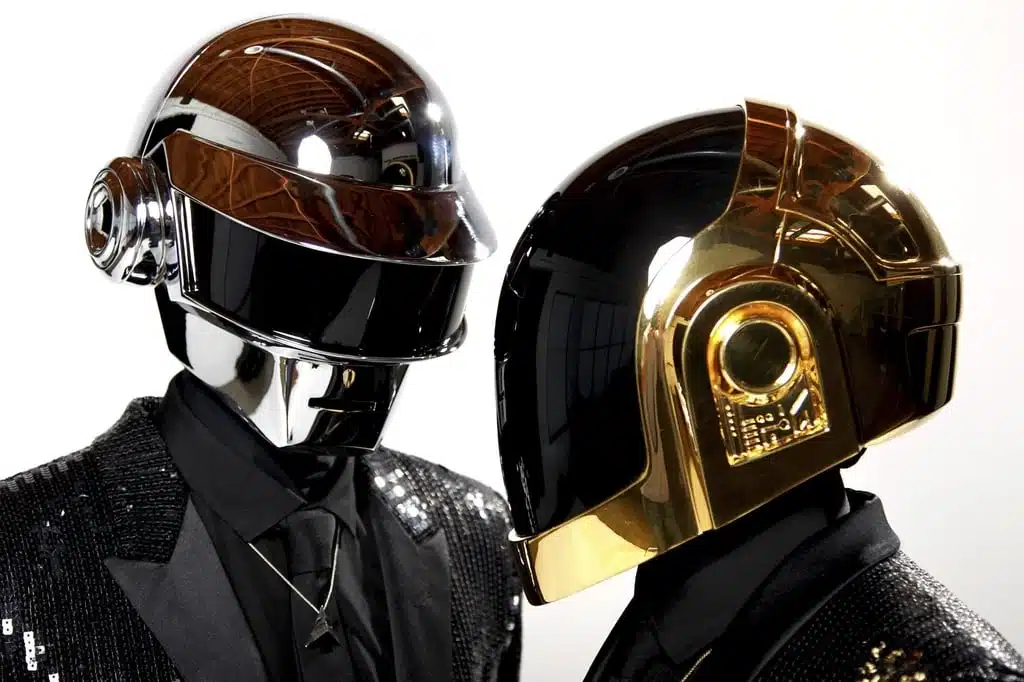
Fans recognized the helmets instantly, proving that mystery can be as powerful as visibility.
Billie Eilish — Oversized Neon Streetwear
Billie Eilish disrupted traditional pop aesthetics with oversized clothing and neon streetwear.
The look rejected the polished glamour expected from pop stars. Instead, it communicated independence and authenticity.
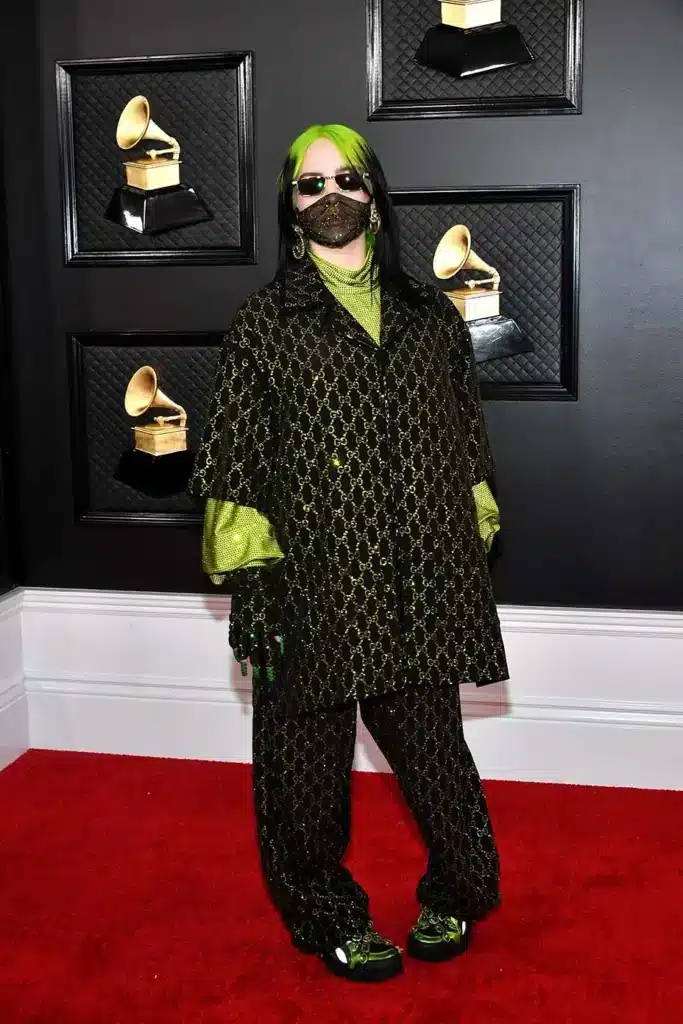
Her stage outfits became part of a broader statement about identity and creative freedom.


How Visual Identity Shapes Artist Recognition
Psychology helps explain why music artist costumes become so powerful.
Humans remember images faster than sound. When a visual symbol becomes associated with an artist, the brain uses that symbol as a shortcut.
A glove.
A helmet.
A jacket.
These symbols trigger memories of entire performances.
This same recognition principle appears in interactive music experiences. Platforms like Muzingo turn song recognition into a social game where players identify tracks from short clips and mark them on bingo-style cards.
During a Muzingo game, players receive cards filled with song titles. A host plays music clips, and players match them on their cards. When five tiles align, they hit the Muzingo button.
The game works because music recognition is deeply tied to memory and cultural moments.
Artists who build strong visual identities make those moments even easier to remember.
When Fashion Becomes Music History
Over time, some music stage fashion pieces become cultural artifacts.
Museums now display stage costumes worn by legendary musicians. Collectors purchase iconic outfits for extraordinary prices.
What began as clothing for a single performance eventually becomes part of cultural history.
For musicians building careers today, identity still matters. Visual storytelling helps audiences recognize and remember artists in an increasingly crowded industry.
Many artists who plan long-term careers eventually explore strategies like licensing music for films and TV or developing stronger digital branding through building a music artist website. A clear identity strengthens all of these opportunities.
Some artists even formalize their strategy by writing a music business plan that defines their creative brand and long-term direction.
Across every era of music, one pattern remains clear.
Memorability wins.


Conclusion
Music history is filled with unforgettable performances, but many of those moments are remembered through images rather than sound.
The greatest music artist costumes transform performers into symbols that audiences recognize instantly.
Michael Jackson’s jacket.
Madonna’s cone bra.
Daft Punk’s helmets.
These visual signatures helped turn artists into cultural icons.
Recognition is powerful. When audiences remember an artist quickly, they engage more deeply with the music.
That same idea drives modern music experiences built around recognition and shared culture.
Join a Muzingo game and see how quickly people recognize the songs that shaped their favorite musical memories.
FAQ
Why do stage outfits matter for musicians?
Stage outfits help artists create a recognizable identity that audiences remember visually. Distinctive fashion can make performances more memorable.
What is the most famous music stage outfit?
Michael Jackson’s Thriller jacket is widely considered one of the most recognizable costumes in music history.
Do costumes influence music branding?
Yes. Distinctive clothing can function as a visual logo that strengthens an artist’s brand identity.
Are famous musician costumes preserved anywhere?
Many iconic outfits are displayed in museums such as the Rock & Roll Hall of Fame or fashion institutions.