

Are you scared you will still be making music in a one bedroom studio five years from now with no real income.
Do you watch other artists move forward while you keep counting streams that barely buy data.
Are you starting to feel that talent alone is not enough, but nobody ever explained what actually is.
If any of this feels uncomfortably familiar, you are not broken. You are simply underinformed. Most artists are never taught how musicians actually make money. They are taught how to sound good, look good, and hope.
This article exists to remove the hope strategy.
It explains how to make money as a music artist in the real world. Not overnight. Not through myths. Through systems that compound.
RELATED BLOG POST
- WHAT IS MUSIC BINGO
- HOW TO MONETIZE MUSIC BINGO
- HOW TO START A PROFITABLE MUSIC BINGO BUSINESS
- HOW TO HOST A MUSIC BINGO NIGHT UNFORGETTABLE
Why Most Artists Struggle (And Why It Is Not Because You Are Untalented)
Most struggling artists are highly skilled. They can sing, produce, write, or perform at a level that should open doors. Yet income stays stuck.
The reason is simple. Skill creates music. Systems create money.
Music skill answers the question, can you make something worth hearing.
Income systems answer a different question, how does value move from listener to artist.
Early in your career, everything feels mixed together. You write a song. You release it. You wait. When nothing happens, it feels personal. It is not. The system is missing.
Income systems are learned. Touring logistics, publishing ownership, audience trust, brand leverage, and distribution pathways are not obvious. Artists who grow learn them slowly, often accidentally, often painfully.
Struggle early on is normal. Staying stuck for a decade usually means nobody ever explained the game.

Why Streaming Alone Will Not Save You
Streaming is visibility, not income. That distinction matters.
On most platforms, a single stream pays fractions of a cent. To earn a living wage from streaming alone, you need millions of monthly listeners. Not one viral song. Not one good playlist. Consistent scale.
Streaming works best when it supports other income streams. It brings discovery, proof, and reach. It rarely brings rent money by itself.
Think of streaming as the front door. It introduces people to you. What matters is what exists behind that door.
Artists who rely only on streaming tend to feel trapped. Artists who use streaming as part of a wider system gain leverage.
The Four Ways Musicians Actually Make Money
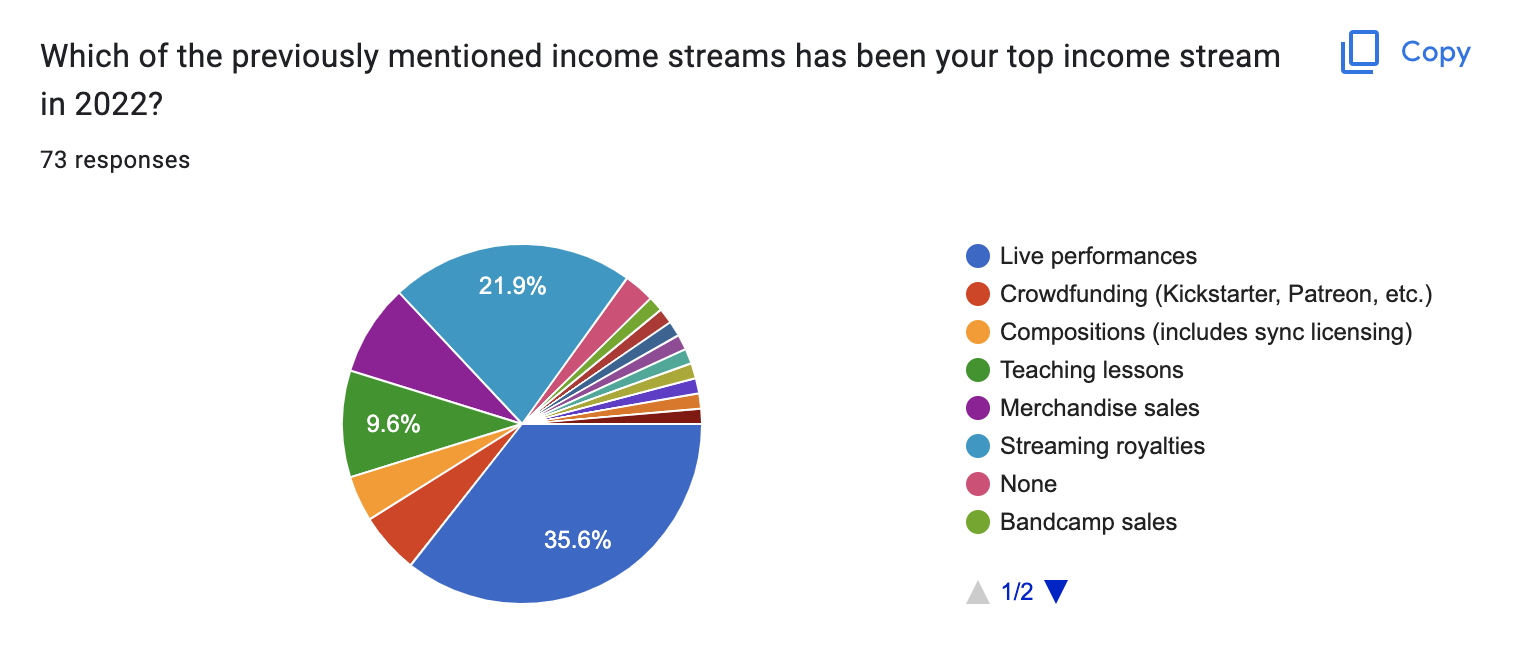
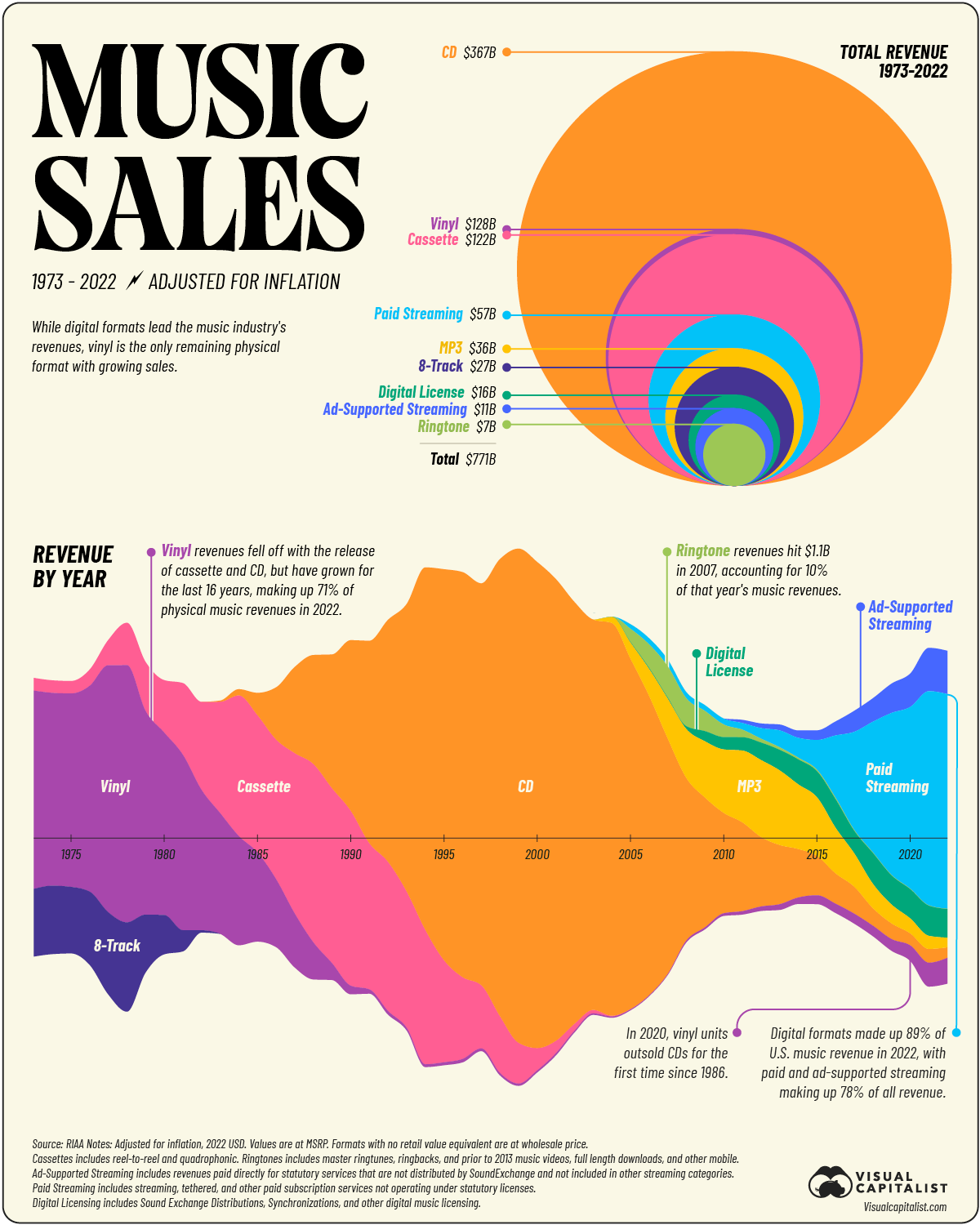
There are many ways artists earn income, but most of them fall into four core categories. Every sustainable music career touches all four over time.
Touring and Live Performance
Touring rarely starts profitable. Early shows pay little or nothing. That does not make them useless.
Live performance builds three things that money eventually follows.
First, proof. Venues, promoters, and brands trust artists who can hold a room.
Second, superfans. Live listeners convert faster and deeper than online ones.
Third, momentum. Touring forces repetition, discipline, and visibility.
Artists who grow treat early shows as infrastructure. They document them, refine their performance, and build local recognition. Over time, fees rise. Merch sells. Invitations expand.
Touring rewards consistency, not instant hype.
Music Sales, Streaming, and Publishing
This category is misunderstood because it mixes cash flow with ownership.
Streaming and sales provide ongoing income, but the real power sits in publishing and masters. Publishing covers songwriting rights. Masters cover recording ownership.
Artists who own their work earn repeatedly from licensing, sync placements, and long tail streaming. Artists who give it away earn once, if at all.
Early on, publishing income might be small. Over years, it compounds. Songs travel further than artists can.
Ownership matters because time matters.
Brand Deals, Merch, and Audience Trust
This is where attention turns into leverage.
Merch works when fans feel connected. Brand deals work when your image aligns with values. Neither works when the audience feels used.
Trust is the currency here. Artists who understand their audience can create products that feel natural. T shirts, vinyl, collaborations, live experiences.
Brands do not pay for talent. They pay for access to a trusted audience.
That trust takes time to build and seconds to lose.
Ownership and Long Term Control
This category is less visible but most powerful.
Take Your Game Nights to the Next Level
Muzingo is a fun game where players listen to music tracks and match them to bingo cards — competing to win prizes with friends.
Play Muzingo FreeNo Card Required
It includes owning your catalog, controlling distribution, negotiating contracts, and choosing when to scale. Artists who think in decades make different choices early.
They delay gratification to protect control. They say no more often. They build slowly and keep more.
Long term control turns a career into an asset.
What Big Artists Did Differently (Concrete, Personal Stories)
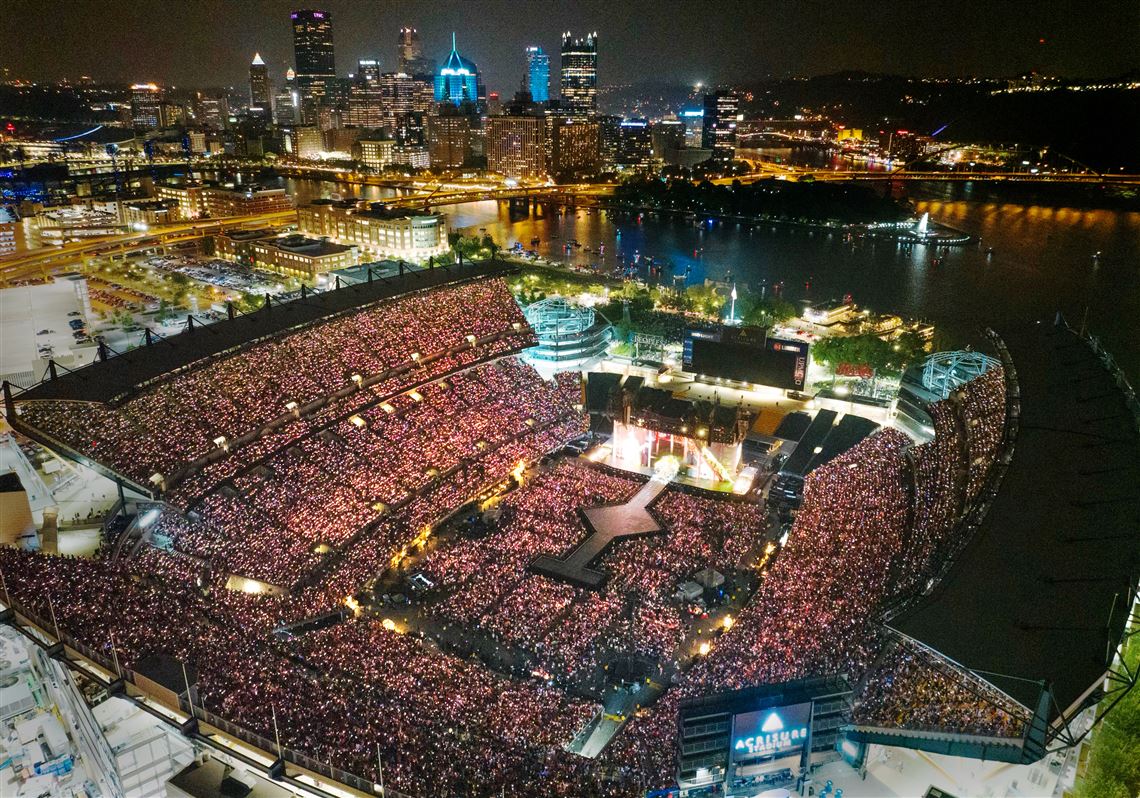
Success leaves patterns. Not formulas, but patterns worth studying.
Taylor Swift
Early in her career, Taylor Swift was often dismissed as basic or overrated. Critics underestimated her. That dismissal became freedom.
While others debated her talent, she focused on ownership, touring strategy, and fan infrastructure. She wrote relentlessly. She toured relentlessly. She fought publicly for her masters.
Being underestimated reduced pressure. It allowed quiet system building.
Lesson for beginners. Do not rush to be respected. Build systems while eyes are elsewhere.
Billie Eilish
Billie Eilish’s early image was not random. Oversized clothing functioned as protection. It gave her control while she learned the industry and herself.

As her confidence grew, her presentation evolved. The shift was gradual and intentional. Fans adjusted because the foundation was trust.
Lesson for beginners. Your early brand can protect you. It does not have to define you forever.
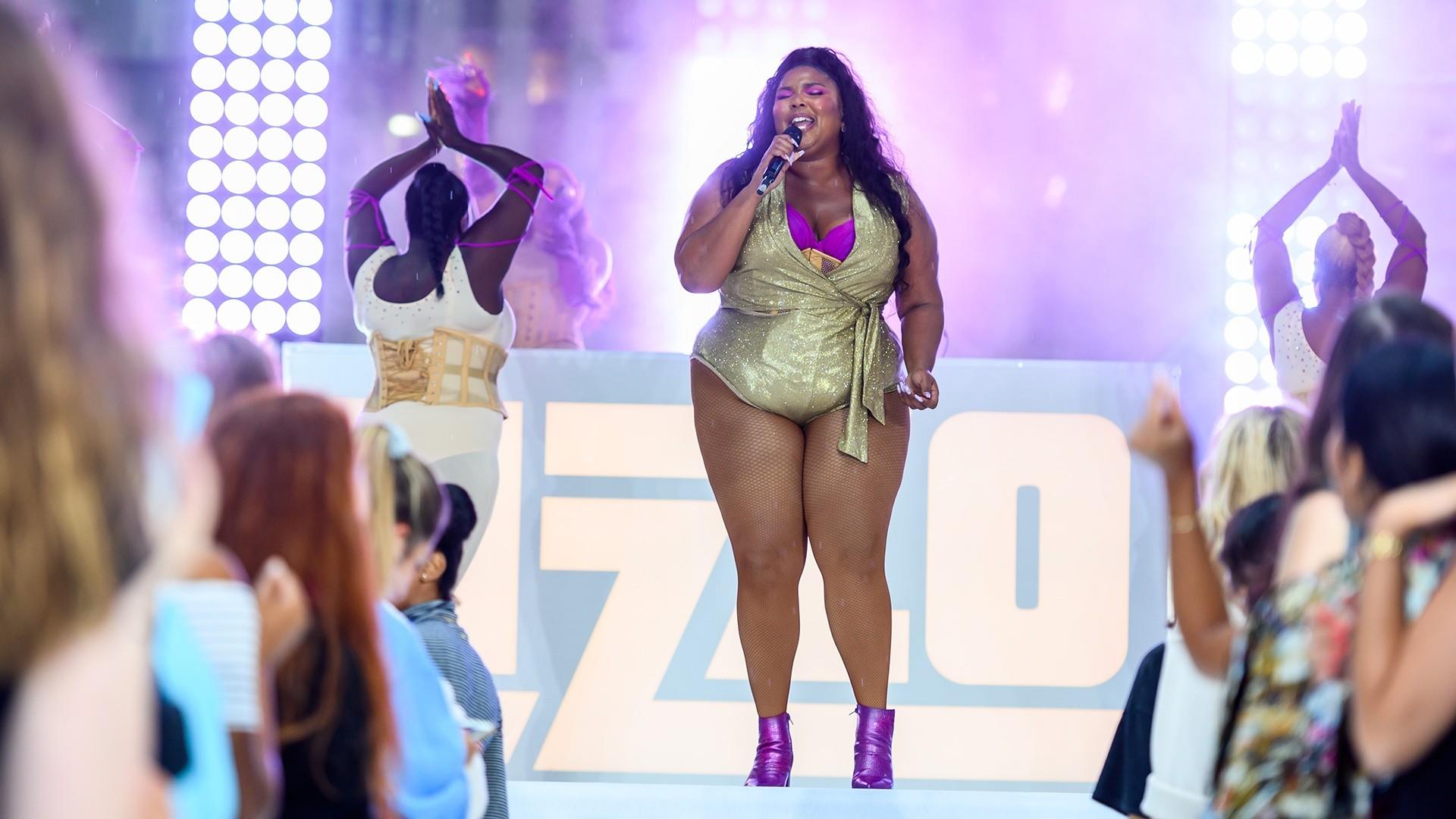
Lizzo
Lizzo rose through body positivity, becoming a symbol for many listeners. Over time, she began shifting toward body neutrality. The reaction was mixed. Some fans resisted.

Her evolution revealed a hard truth. Audiences sometimes want artists frozen in a single message. Growth disrupts that comfort.
Lesson for beginners. Do not let one identity message become a permanent box. You are allowed to evolve even when it costs applause.
Burna Boy

Burna Boy never softened himself to be liked. His image leaned into defiance, dominance, and confidence. It polarized people.
He focused on performance, global sound, and presence. Over time, undeniability replaced approval seeking. He tours globally and commands stages, a journey explored further in his rise from local scenes to global stages.
Lesson for beginners. Likability is optional. Value comes from clarity and consistency.
What This Means for You If You Are Just Starting Out
Careers unfold in stages.
Stage one is skill and discovery. You learn your sound and find early listeners.
Stage two is visibility and system building. You experiment with income streams.
Stage three is leverage. You choose what to scale and what to protect.
Most frustration comes from expecting stage three results while living in stage one.
Momentum beats miracles. Small, repeatable actions matter more than viral moments. Uploading consistently. Performing locally. Learning basic rights. Paying attention to who listens and why.
Progress feels slow because it is invisible before it becomes obvious.
You Are Not Behind. You Are Early.

Being early feels lonely. There is little feedback and no applause. That does not mean nothing is happening.
Artists who last learn how to make money as a music artist by building systems before attention arrives. They learn how artists earn income while nobody is watching.
What if I told you that there’s a platform that would lighten your burden and improve your earnings? Find more Discover how to maxmize your earnings as a young artiste
👉 Create a music bingo game now and get your music played by real people instead of waiting on streams.
Learning how to make money in the music business is not selling out. It is learning how to stay.
FAQs
How long does it take to make money as a music artist
Most artists see small income within a few years when they combine live performance, ownership, and audience building. Sustainable income usually takes longer and grows gradually.
Can you make money from music without touring
Yes. Publishing, licensing, online products, and brand collaborations can generate income. Touring accelerates growth but is not the only path.
Is streaming still important
Streaming matters for discovery and proof. It works best as part of a wider system rather than the main income source.
Do independent artists earn more than signed artists
Independent artists often keep more control and higher percentages. Signed artists may gain faster exposure. Earnings depend on contracts, ownership, and long term strategy.