

Every week, new songs go viral on TikTok.
Every month, new artists trend.
Yet very few of them are still here a year later.
If viral songs are supposed to be the fast track, why do so many artists disappear after their biggest moment?
If you are honest, this question probably sits quietly at the back of your mind. You watch TikTok songs explode overnight. You see trending TikTok songs rack up millions of uses. You see comment sections full of hype. And yet, when the noise fades, the artist fades with it.
You start wondering whether chasing viral songs and song trends is actually moving you forward or quietly keeping you stuck.
This article is for you if you care about visibility, but also want something sturdier than a spike. Something that lasts when the algorithm gets bored.
The confusion makes sense. Platforms reward speed, numbers, and reuse. Careers reward familiarity, trust, and memory. When those incentives collide, artists are left guessing which signal actually matters.
RELATED BLOG POST
- HOW MUSIC TRENDS HAVE EVOLVED IN THE LAST DECADE
- THE SCIENCE BEHIND WHY OLD SONGS MAKES US HAPPY
- CREATING MUSIC BINGO PLAYLISTS WITH MUZINGO
- HOW TO START A PROFITABLE MUSIC BINGO BUSINESS
What “Viral” Actually Means in the TikTok Era
On TikTok, viral songs are built for speed.
Short loops.
Instant hooks.
Easy reuse.
A sound spreads because it fits neatly into other people’s content. Dance clips. Comedy skits. Transitions. The song becomes raw material for the platform, not a story about you.
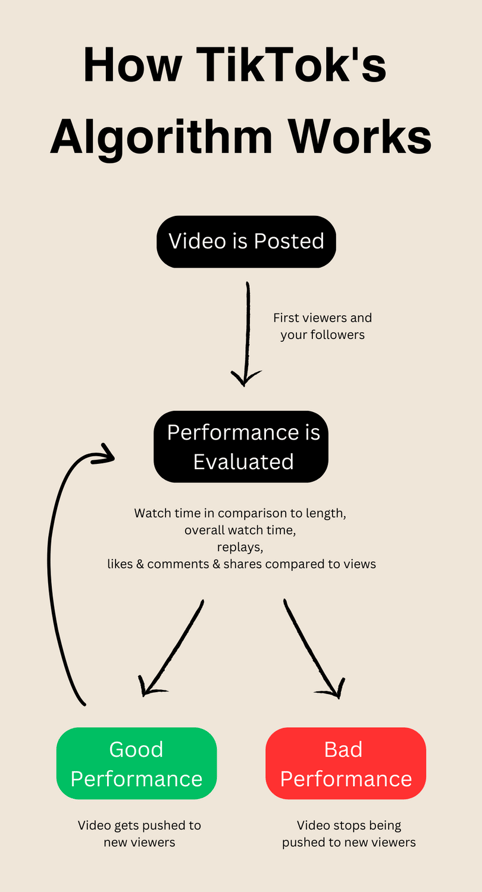
When a TikTok song trends, the algorithm rewards repetition, not attachment. It pushes whatever keeps people scrolling, which mirrors patterns explained in how music trends have evolved in the last decade toward faster cycles and shorter attention windows.
Virality here is mechanical. The system favors audio that can be detached from its creator and repurposed endlessly. The more flexible the sound, the more likely it spreads, regardless of whether listeners know who made it.
You might gain views, followers, even streams. But most of that attention has no commitment attached to it. People remember the sound, not the source. They recognize the moment, not the maker.
This is not a failure on your part. It is how the system is designed to work.

Why Song Trends Move Faster Than Careers
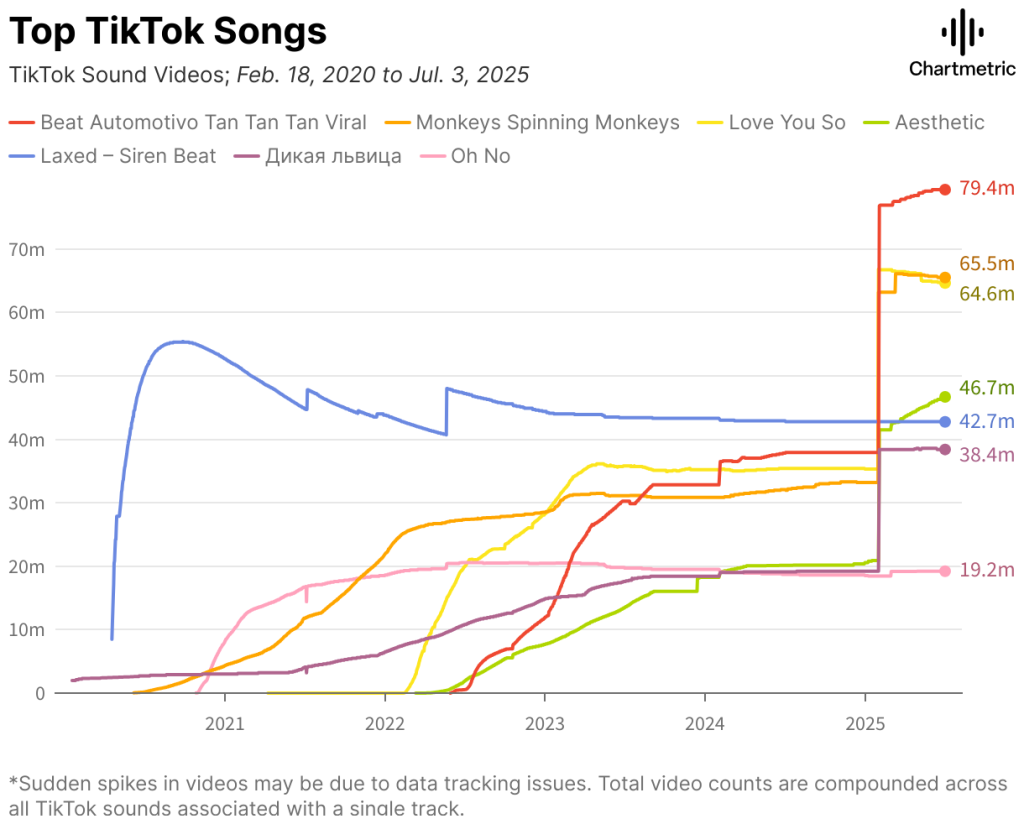
Song trends move at the speed of boredom.
A trend exists until something newer, sharper, or more surprising replaces it. Careers move slower because they require trust, familiarity, and repeated exposure across time.
If you build your strategy around what is trending, you are competing with moments, not musicians. Moments always win because they do not need depth. They only need novelty.
You feel this when you release a follow-up song. The first one went viral. The second one feels invisible. The audience moved on, not because your music got worse, but because the trend cycle did.
This creates a psychological trap. You start believing success must be recreated through another viral hit, instead of accumulated through recognition.
This is where burnout starts. You begin chasing viral hits instead of building a career. That confusion between viral hits vs long-term success is where many artists quietly stall.
The Difference Between Attention and Memory
Attention is quick. Memory is slow.
Attention is someone hearing your hook once while scrolling.
Memory is someone recognizing your song weeks later in a real setting.
Most viral songs optimize for attention. They interrupt the feed. They do not need to be remembered. They only need to be reused.
Artists, however, are remembered through repetition, not interruption. This is why older songs continue to carry emotional weight long after trends fade, a pattern explained in the science behind why old songs makes us happy.
Memory forms through repeated exposure in meaningful contexts. Hearing a song once rarely creates attachment. Hearing it across multiple moments does.
If you want music success beyond virality, memory becomes the real metric. Do people remember your voice, your sound, your identity? Or do they only remember a clip detached from you?
Take Your Game Nights to the Next Level
Muzingo is a fun game where players listen to music tracks and match them to bingo cards — competing to win prizes with friends.
Play Muzingo FreeNo Card Required
Why Classics Are Built, Not Boosted
Classics are built through repeated encounters.
People hear the song in different contexts. At parties. During games. In shared spaces. Each encounter reinforces recognition instead of novelty.
This is why formats that encourage repeat listening, such as those explored in creating music bingo playlists with Muzingo, help songs stick longer than algorithmic spikes ever could.
Repeated exposure turns music into reference points. Listeners stop reacting to the song as new and start recognizing it as familiar.
A classic does not rely on an algorithm to survive. It survives because people choose it again.

When Virality Does Help (And Why It Usually Doesn’t)
Virality helps only when three things already exist.
Infrastructure.
Context.
Timing.
Without those, virality becomes a flash. Bright, exciting, and gone.
Infrastructure means having places where attention can settle. Context means environments that encourage listening rather than scrolling. Timing means the viral moment amplifies an existing identity instead of replacing it.
Most artists go viral before they are ready for it. The attention arrives early, leaves fast, and creates pressure instead of progress. Even platforms that work with artists acknowledge this distinction between exposure and sustainability, as outlined in Muzingo’s discovery and engagement model.
What Artists Should Focus on Instead of Chasing Trends
If you want to build something that survives the trend cycle, your focus changes.
You focus on recognition over reach.
You focus on a clear, repeatable sound.
You focus on environments where people listen together and remember together.
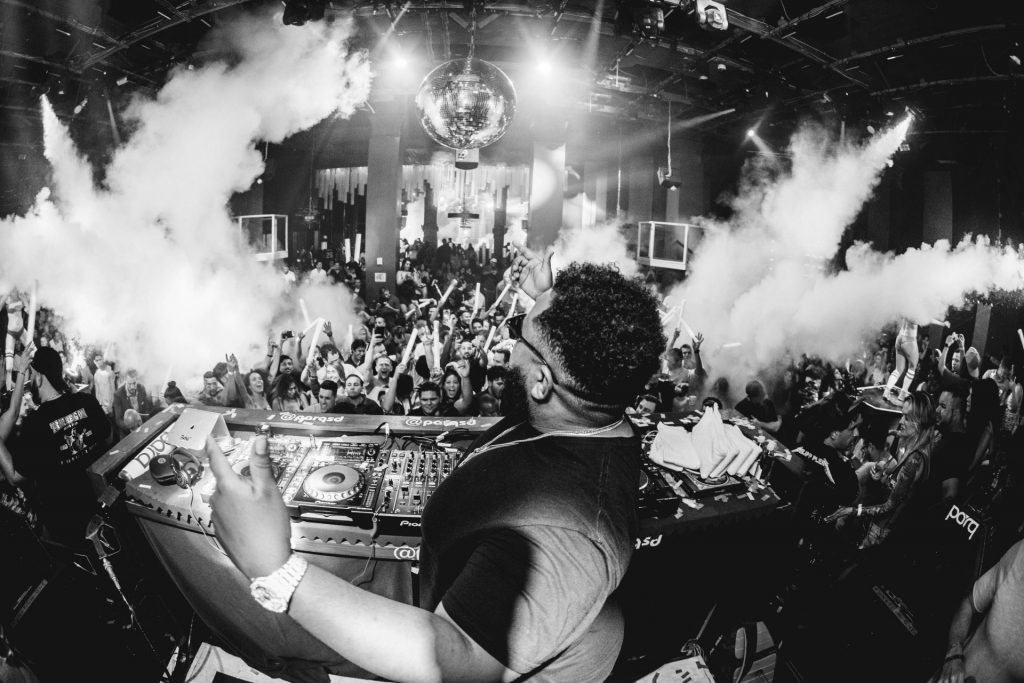
Social listening matters. Shared experiences matter. Music becomes memorable when it is tied to moments people experience collectively.
This is why interactive formats, like those described in how interactive music games bring groups together, outperform passive scrolling when it comes to artist recall.


The Real Question You Should Be Asking
A week from now, what will people remember?
Not what trended.
Not what spiked.
What stayed.
If you care more about being remembered than just being seen, start putting your music where memory forms.
Start a free Muzingo game and see how your music performs when people actually listen, react, and remember.
FAQ
Do viral songs actually help artists build long-term careers?
Viral songs create visibility, not structure. Without systems that convert attention into repeat listening and recognition, most viral moments fade quickly.
Why do people remember viral hooks but forget the artist?
Because platforms optimize for reuse, not identity. The sound spreads faster than the artist’s story or catalog can anchor itself in memory.
Are TikTok songs bad for musicians?
No. TikTok songs are powerful discovery tools. Problems arise when virality is treated as the end goal instead of one input in a larger career system.
What matters more than going viral?
Consistency, recognizable sound, repeated exposure, and social listening environments where music is tied to real experiences.
How can artists move beyond chasing song trends?
By placing their music in contexts that reward memory and repetition, not just speed and novelty.