

You listen to music every day. Songs play in taxis, at parties, on social media, and through your headphones. Yet when a track starts, you hesitate. The hook sounds familiar, but the title refuses to surface. That delay creates frustration, especially when others seem to recognize songs instantly.
The good news is simple and grounded in reality. You can train your ears to recognize songs faster. This is not about musical talent, perfect pitch, or memorizing theory charts. Ear training for recognition works the same way visual recognition works. Exposure, patterns, and repeated recall shape the brain.
If you want proof that recognition improves with practice, start with this foundational breakdown of
music recognition for beginners.
It frames recognition as a skill built through repetition, not a gift you either have or lack.
Immediately after this introduction, we ground the reader with navigation.
RELATED BLOG POST
• MUSIC RECOGNITION FOR BEGINNERS
• WHAT MAKES A SONG CATCHY TO SHAKE CROWDS
• WHAT IS MUSIC BINGO
• CREATING MUSIC BINGO PLAYLISTS WITH MUZINGO

Can You Really Train Your Ears? Yes and Here’s Why
You can train your ears because the brain is built for pattern recognition. When a sound repeats often enough, the brain creates shortcuts. Those shortcuts reduce the time it takes to identify what you are hearing.
Ear training is not limited to musicians. Everyday examples prove the mechanism. People recognize a friend’s voice in a noisy room. Fans identify a song from two seconds of intro. These skills come from repeated exposure, not formal education.
On platforms like Spotify, listeners develop recognition unintentionally by replaying the same tracks and playlists. The brain links rhythm, texture, and melodic shape into a single memory object. When that object appears again, recognition speeds up.
This same recognition loop is why interactive formats like music bingo train ears faster than passive listening. They force recall instead of background consumption.
To train your ears deliberately, you simply compress and repeat this exposure cycle. You hear something. You guess. You receive feedback. The loop tightens. Speed increases.
Why Some People Recognize Songs Instantly

Fast recognition looks magical from the outside, but it follows predictable rules.
First, pattern familiarity. People who recognize songs quickly have heard similar structures repeatedly. Pop intros, afrobeat drum patterns, EDM builds, and hip hop drops all follow recognizable shapes.
Second, repetition and memory binding. Hearing the same hook across different contexts strengthens recall. A song played at a party, on social media, and in a playlist forms multiple memory anchors.
This explains why nostalgic content like throwback Afrobeats hits
feels instantly recognizable. Familiar patterns resurface faster than new ones.
Third, recognition differs from performance. You do not need to play music to recognize it. Many DJs and music lovers never touch instruments, yet their ears are highly trained.
How to Train Your Ear for Music Without Music Theory
One reason people avoid ear training is fear of theory. Scales, notation, and terminology feel intimidating. None of that is required for recognition.
Start with listening first. Labels come later. When a song begins, focus on what stands out. Is it the rhythm, the vocal tone, or the synth texture?
Here is a simple approach that removes theory entirely:
- Listen to a song intro for five seconds.
- Pause it.
- Say out loud what you noticed first.
- Resume and check if your instinct matched the song.
Short-form platforms like TikTok accelerate this process unintentionally. Repeated audio clips train recognition because users hear the same sound attached to different visuals.
This is the same mental skill DJs rely on when they create music bingo playlists that players can recognize instantly.
Simple Ear Training Exercises That Improve Recognition

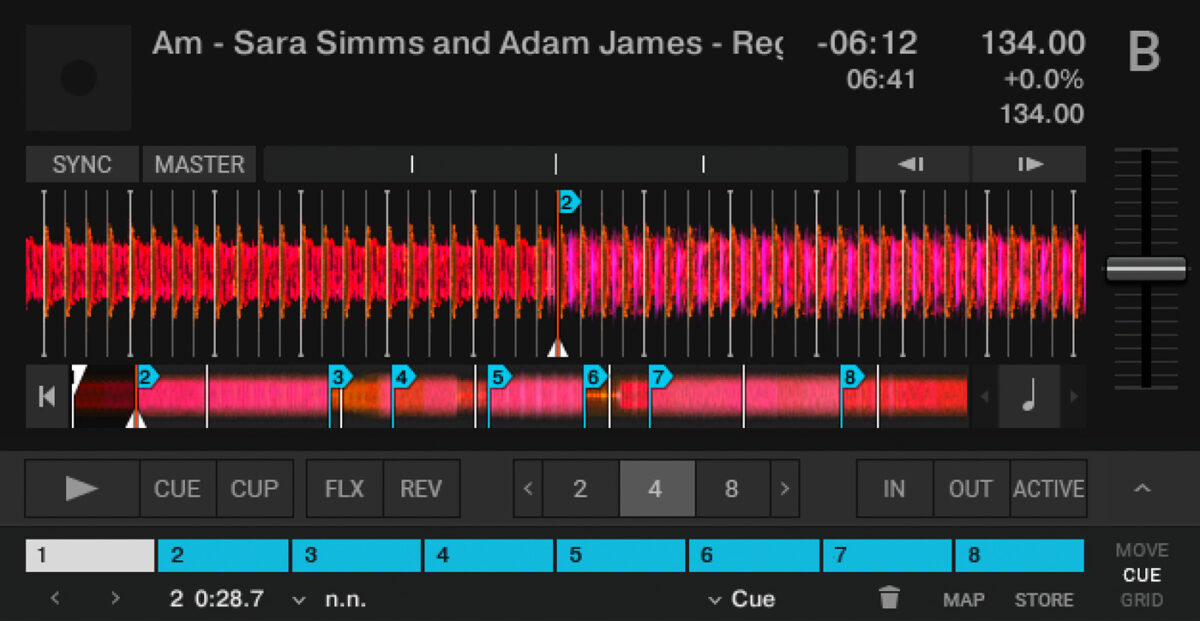

Effective ear training exercises focus on recall under mild pressure.
One exercise is hook replay recognition. Play only the chorus of a song, stop it abruptly, and name the artist or track before restarting.
Take Your Game Nights to the Next Level
Muzingo is a fun game where players listen to music tracks and match them to bingo cards — competing to win prizes with friends.
Play Muzingo FreeNo Card Required
Another exercise is rhythm-only listening. Tap along to the beat of a song without melody focus. Later, hear just the rhythm and identify the song family or genre.
A third exercise involves texture spotting. Focus on a single element like bass tone or vocal style.
Platforms like SoundCloud support this by allowing quick looping of song sections.
T hese same mechanics appear in how to play music bingo online, where recognition speed matters more than correctness.
Why Ear Training Games Work Better Than Passive Listening
Passive listening feels productive but delivers weak results. The brain drifts when there is no demand for recall.
Ear training games introduce active recall and immediate feedback. You hear a sound, make a choice, and learn whether you were right.
This feedback loop mirrors real environments like hosting a music bingo night,
where recognition happens under time pressure and social energy.
Recognition under pressure creates durable learning.
Using Games to Train Your Ears Faster Without Burnout

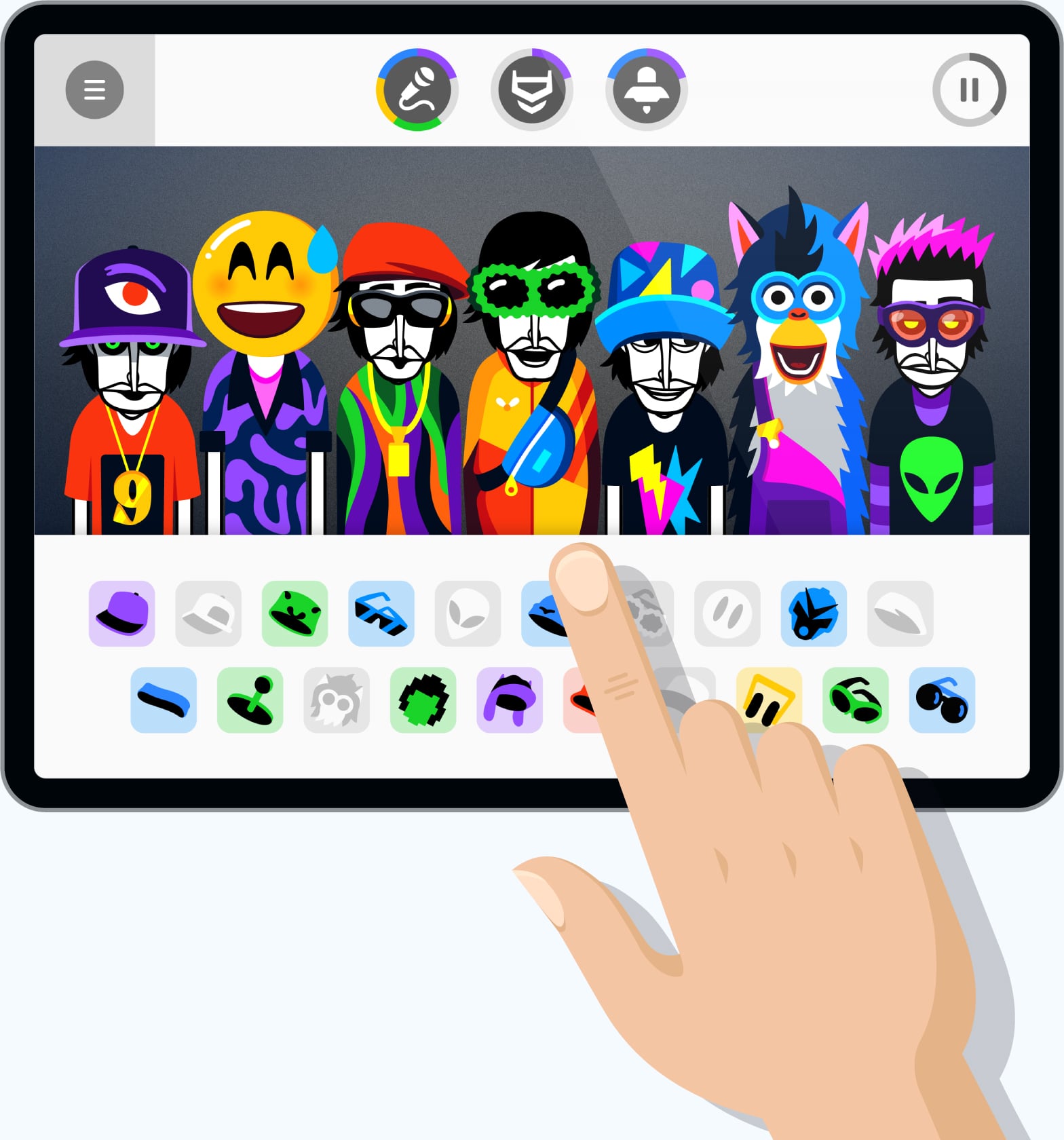

Games work because they respect attention limits. Short rounds prevent burnout. Variety keeps engagement high.
Muzingo functions as a recognition playground rather than a class. Players train their ears by identifying songs, patterns, and hooks in real time.
This is why people who play music bingo for free often notice faster recognition after just a few sessions.
What Happens When You Train Your Ears Consistently
Consistency reshapes listening.
Song recognition speeds up. Familiarity expands across genres. DJs build smoother transitions. Music lovers feel confident instead of hesitant.
Training your ears also improves crowd awareness, especially for those managing large crowds at music bingo events, where reading the room matters.

Train Your Ears, Not Your Anxiety
Ear training succeeds when pressure stays low and repetition stays high.
Recognition improves through play, not punishment.
If you want to train your ears in a way that mirrors real listening, start practicing recognition in an environment built for it.
Start a free Muzingo game and train your ears through real-time song recognition.
FAQ
Can anyone train their ears for music recognition?
Yes. Recognition improves with repeated exposure and recall, regardless of musical background.
How long does ear training take to show results?
Most people notice faster recognition within one to two weeks of short daily practice.
Do ear training apps actually work?
Apps work when they require active recall and provide immediate feedback.
Is perfect pitch required for fast song recognition?
No. Recognition relies on patterns and memory, not pitch accuracy.