

You hear a song for the first time and something strange happens.
You don’t feel curious.
You don’t feel confused.
You feel recognition.
The melody feels known. The rhythm feels expected. The chorus lands exactly where your body thinks it should.
Then you check the release date and realize the song is brand new.
If this song is new, why does it already feel familiar?
The answer has very little to do with memory and almost everything to do with how your brain recognizes patterns.
Have You Actually Heard the Song Before?
In most cases, no.
What you are experiencing is familiarity without recall. Your brain is not retrieving a past listening moment. Instead, it is responding to structures it already understands. This is why a song feels familiar
Psychology separates memory from familiarity very clearly. Memory involves recalling a specific experience. Familiarity is faster and more automatic. It is the brain saying, “this fits,” without needing to explain why.
Music triggers this response easily because it is built from recurring structural rules. When a song follows those rules well, recognition can happen instantly.
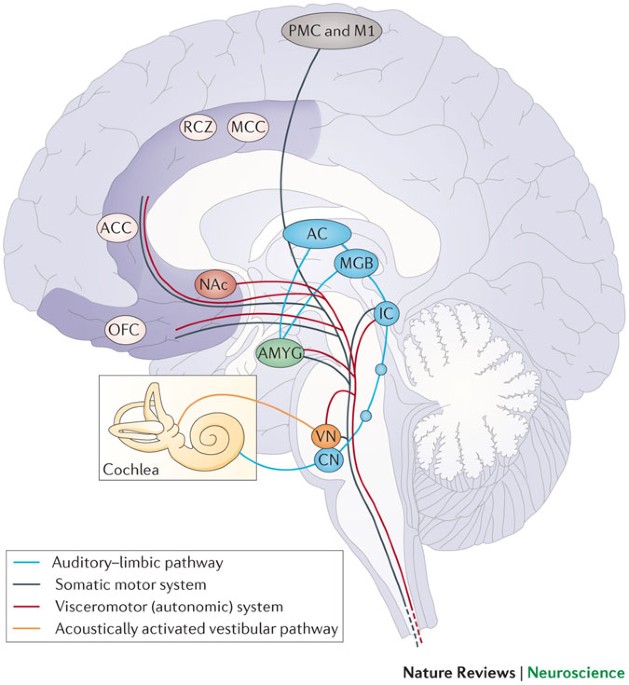
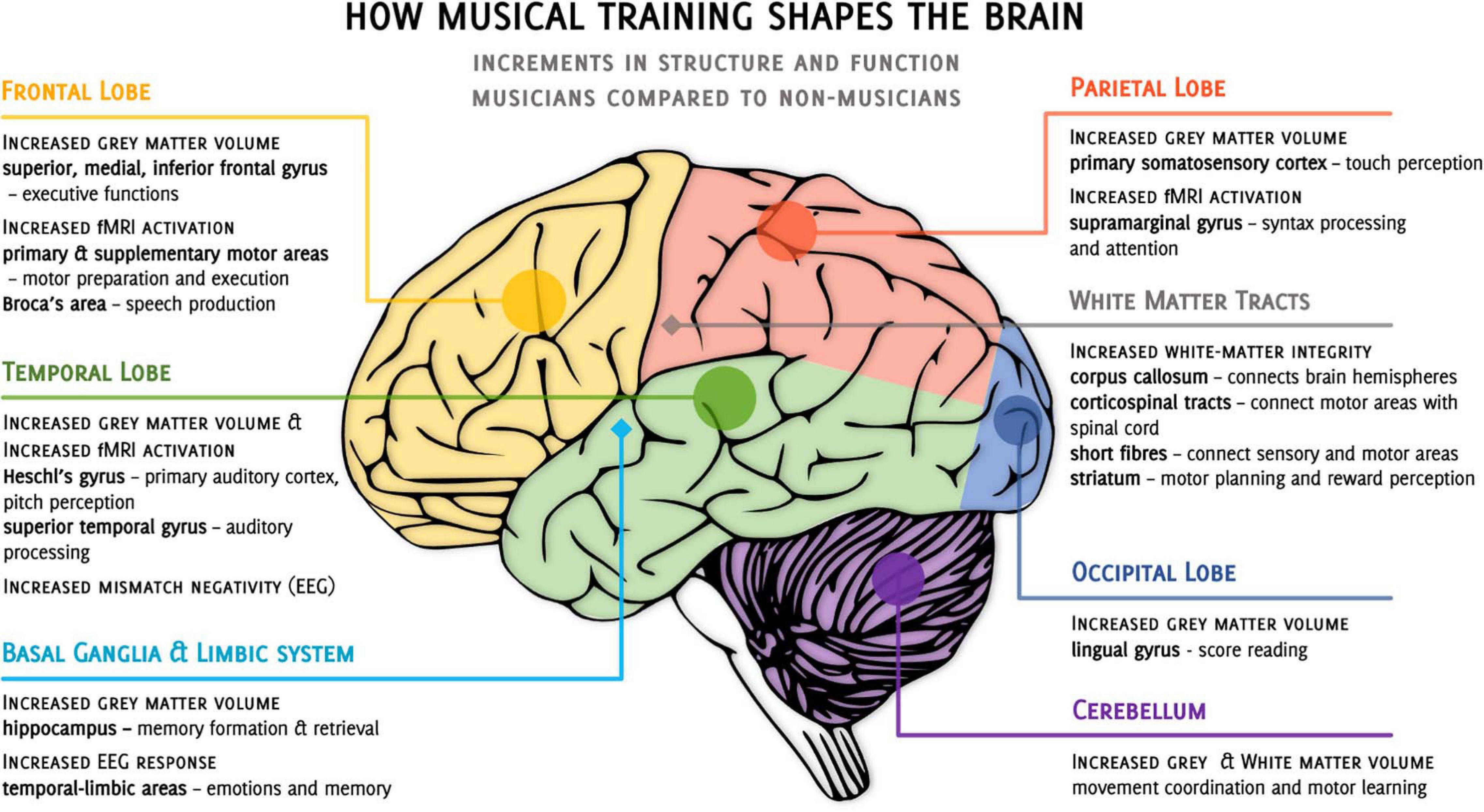
A broader explanation of how listening activates memory networks and emotional systems appears in this guide on the effects of music on the brain and music neuroscience, which connects musical structure to neural response.
Familiarity Is a Prediction Signal, Not a Memory File
One useful way to think about familiarity is as a prediction signal.
Your brain is constantly forecasting what comes next based on prior exposure. When a song aligns closely with those expectations, the prediction feels smooth. That smoothness is interpreted as familiarity.
This explains why familiarity can feel bodily before it feels mental. You might tap your foot, nod your head, or anticipate the chorus before you consciously realize what is happening.
Music psychologists describe this as processing fluency. When something is easy for the brain to process, it feels good and trustworthy. Songs that fit learned musical templates pass through the brain with minimal friction.
Over time, repeated exposure trains these prediction systems, quietly shaping taste without deliberate choice. This is why a song feels familiar.
RELATED BLOG POST
- DISCOVER NEW MUSIC THAT MATCHES YOUR TASTE
- EFFECTS OF MUSIC ON THE BRAIN: MUSIC NEUROSCIENCE
- MUSIC RECOGNITION FOR BEGINNERS
- THE SCIENCE BEHIND WHY OLD SONGS MAKE US HAPPY
How the Brain Uses Patterns to Save Energy
Your brain is constantly looking for ways to reduce effort.
One of its most powerful tools is pattern recognition. When the brain identifies a familiar pattern, it can predict what comes next. Prediction lowers cognitive load, and lower cognitive load feels rewarding.
Neuroscience research shows that familiar musical patterns activate reward-related systems in the brain, even when those patterns appear in new combinations. This response is tied to emotional processing and pleasure.
Studies summarized in Frontiers in Psychology explain how pattern recognition allows the brain to process complex stimuli more efficiently, increasing emotional response and perceived satisfaction.
Why Pattern Recognition Is Emotionally Rewarding
Pattern recognition does more than save energy. It also activates reward pathways.
When the brain successfully predicts incoming sensory information, dopamine-linked systems respond positively. In music, correctly anticipating melodic movement or rhythmic resolution can feel deeply satisfying.
This reaction happens before conscious evaluation. The body responds first. The mind catches up later.
This also explains why collective music experiences feel powerful. When groups share similar listening histories, recognition synchronizes, amplifying emotional response across the crowd.
Why Repetition Makes Music Easy to Recognize
Most popular music relies on a shared musical language.
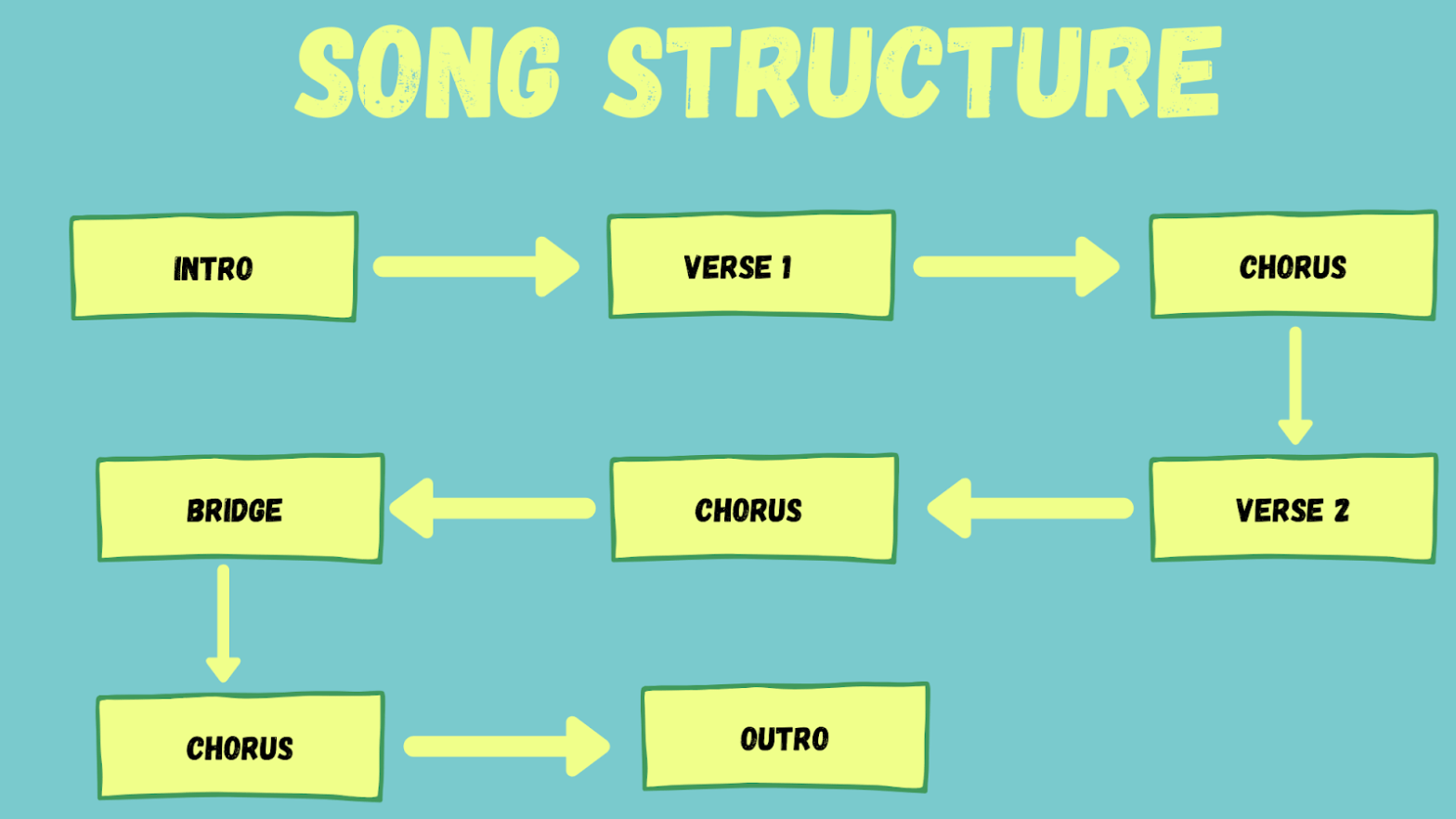
That language includes repeating chord progressions, stable rhythmic loops, predictable verse–chorus structures, and familiar melodic intervals. These elements appear across genres, cultures, and decades.
Because of this repetition, your brain becomes fluent in musical structure long before it becomes familiar with individual songs. When a new track uses that same grammar, recognition happens quickly.


Structural Familiarity Across Genres and Cultures
Repetition is not limited to one genre or culture.
Four-chord loops in pop music, call-and-response patterns in African and Afro-diasporic music, and cyclical rhythms in dance music all rely on recurring structures.
This explains why listeners can feel familiarity even when encountering unfamiliar artists or regions. The surface sound changes, but the underlying structure remains legible.
Take Your Game Nights to the Next Level
Muzingo is a fun game where players listen to music tracks and match them to bingo cards — competing to win prizes with friends.
Play Muzingo FreeNo Card Required
This is also why nostalgia-driven listening feels powerful. It reactivates deeply learned templates, triggering recognition and emotional memory simultaneously, as explored further in the science behind why old songs make us happy.
The Mere Exposure Effect and Why A Song Feels Familiar
Psychology offers a simple explanation for why familiarity often turns into liking: the mere exposure effect.
This effect shows that repeated exposure to similar stimuli increases preference, even without conscious attention. Exposure does not require focused listening. The brain learns patterns passively.
In music, this means hearing similar structures across many songs can build familiarity without you realizing it.
A clear explanation of this phenomenon appears in Simply Psychology’s overview of the mere exposure effect.
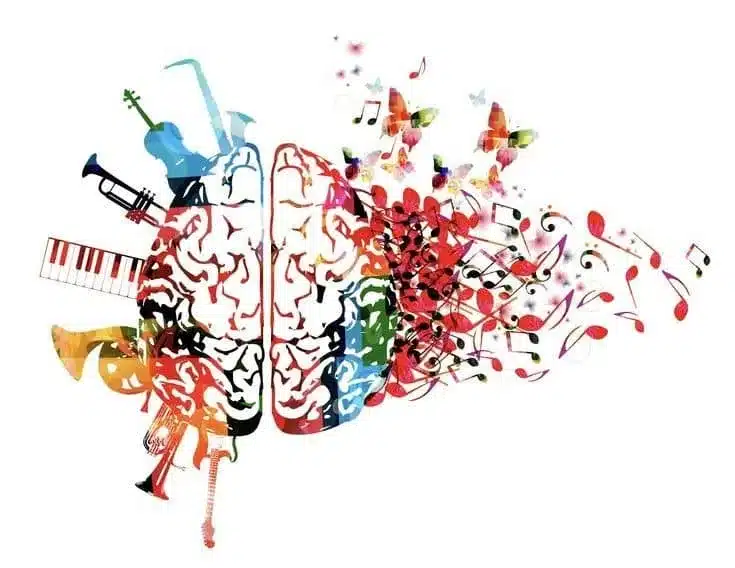
Exposure Without Attention Still Shapes Taste
Background playlists, radio rotation, and algorithmic recommendations all contribute to exposure without attention.
Over time, these patterns train the brain, shaping preference quietly. This explains why songs you initially ignored can later feel comfortable or enjoyable.
Understanding this process helps listeners regain agency. Once you recognize how exposure works, you can decide when to lean into familiarity and when to seek novelty intentionally.
Why New Songs Can Trigger Déjà Vu
Déjà vu is not mystical. It is a cognitive mismatch.
It occurs when the brain mistakenly matches a new experience to an existing mental template. Recognition fires, but memory cannot locate a source.
Music triggers this easily because it relies on templates rather than unique events.
Psychological explanations of déjà vu as template matching are summarized in Psychology Today’s overview of déjà vu.
When Template Matching Goes Too Far
Sometimes the brain matches a stimulus to the wrong template.
In music, this happens when a song strongly resembles multiple familiar patterns at once. The overlap increases confidence without clarity.
This is why déjà vu often fades after repeated listens. Once the brain updates its model and confirms novelty, the false signal weakens.
What This Means for How We Discover and Recognize Music
Recognition happens before judgment.
You do not decide to feel familiar with a song. Your brain does it automatically. Preference often follows recognition.
This explains why discovery works best when it aligns with existing taste patterns. Tools designed to discover new music that matches your taste feel intuitive because they mirror how the brain already organizes sound.


Recognition Shapes Social and Interactive Music Experiences
Recognition scales socially.
When groups share similar exposure histories, recognition becomes collective. This is why familiar songs energize crowds faster and why shared playlists strengthen social bonds.
Interactive music formats depend on this principle. Recognition fuels participation, confidence, and enjoyment.
A real-world example of recognition-driven design can be seen in the Muzingo project case study by Charisol, which shows how understanding listening behavior translates into engagement and retention.
Becoming a More Conscious Listener
Once you understand why songs feel familiar, listening changes.
You begin noticing repetition instead of mistaking it for coincidence. Familiarity stops feeling magical and starts feeling intelligible.
This awareness does not reduce enjoyment. It deepens it. It also helps separate genuine preference from learned comfort.
That is the foundation of listening intelligence.
FAQ
Why does a song feel familiar even when I know it’s new?
Because your brain recognizes structural patterns it has learned before, even when the song itself is unfamiliar.
Does familiarity mean a song lacks originality?
No. Familiarity reflects shared structure, not creative value.
Can familiarity influence music preference?
Yes. Familiarity lowers cognitive effort, which often increases comfort and liking.