

If you are trying to understand how to sell your music online, you probably started where most artists do.
Upload.
Share the link.
Watch the numbers climb.
Then wait for the payout.
And when it arrives, the excitement fades fast.
Streams look impressive. Bank balances tell a different story.
Selling music online and earning meaningful income are not the same activity. One generates visibility. The other requires structure.
If you want clarity on how to sell your music online and keep most of the revenue, you need to understand three things:
- Where money leaks
- Where margin lives
- How engagement multiplies value
RELATED BLOG POST
• HOW TO MAKE MONEY AS A MUSIC ARTIST
• THE ONLY MUSIC CAREER STRATEGY YOU NEED
• WHY VIRAL SONGS DON’T MAKE ARTISTS SUCCESSFUL
• HOW TO PROTECT YOUR MUSIC COPYRIGHT IN THE AI ECONOMY
Why Most Artists Make Money but Never See It
When artists research how to sell your music online, they usually focus on distribution platforms like DistroKid or TuneCore.
Distribution is important. It gets you on streaming services.
But here is the math most people ignore.
On Spotify for Artists, the average payout per stream ranges around $0.003 to $0.005.
That means:
100,000 streams × $0.0035 = $350 before splits.
Then subtract:
• Distributor fees
• Publishing splits
• Label cuts if applicable
• Uncollected royalties
If you are not registered with platforms like SoundExchange or using publishing administrators such as Songtrust, some revenue may never even reach you.
This is why artists “make money” but rarely feel wealthy.
Learning how to sell music online requires mapping the full revenue chain, not just uploading a track.


Streaming vs Direct Sales: The Real Revenue Breakdown
If you want to master how to sell your music online, compare two models.
Streaming Model
100,000 streams
Approximate payout: $350
After fees, maybe $250 remains.
Direct Sales Model
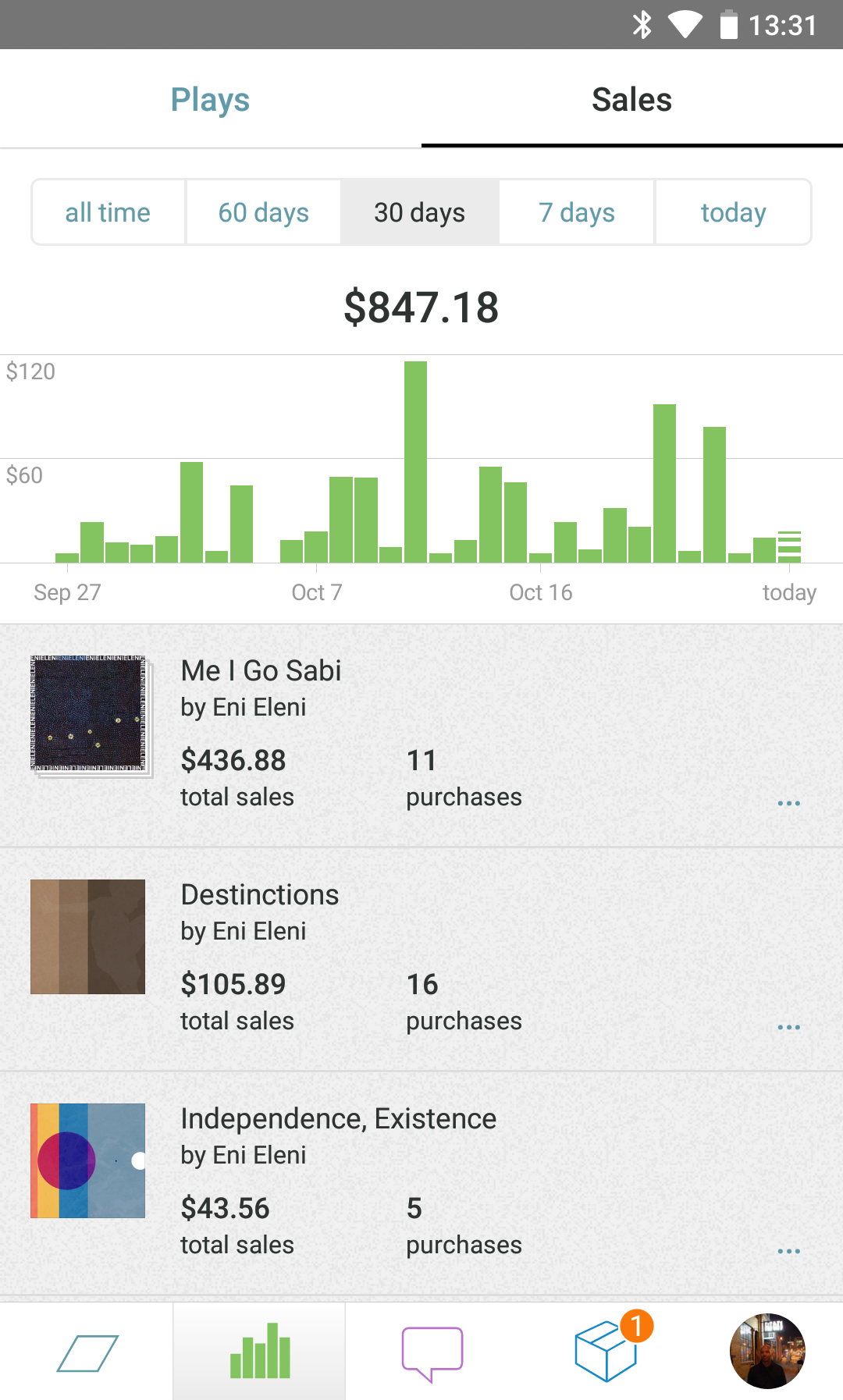
Sell 100 copies of a $5 EP on Bandcamp.
Gross: $500
Platform fee approx 10 to 15 percent
Net: roughly $425 or more
Notice the leverage difference.
You needed 100,000 streams to match what 100 buyers could generate.
Selling online music through direct platforms changes the margin per fan.
Artists using Shopify to sell digital downloads or bundles can increase revenue further by controlling pricing and upsells.
If your goal is understanding how to sell a song online profitably, focus on revenue per fan, not vanity metrics.
Best Platforms for Selling Music Online
When evaluating selling music online, think in categories.
1. Distribution Platforms
Use these for reach.
They push your music to streaming platforms. Good for discovery.
2. Direct-to-Fan Platforms
Use these for margin.
They allow you to sell a song online directly, collect emails, and keep more revenue.
3. Publishing & Royalty Collection
Use these for protection.
Take Your Game Nights to the Next Level
Muzingo is a fun game where players listen to music tracks and match them to bingo cards — competing to win prizes with friends.
Play Muzingo FreeNo Card Required
Most artists asking how to sell your music online forget this layer entirely.



The Hybrid Model Smart Independent Artists Use
Streaming introduces.
Direct sales convert.
Engagement multiplies.
This is where most advice on how to sell your music online falls short.
It treats monetization and engagement as separate.
They are connected.
When fans interact with your music socially, emotionally, competitively, they attach memory to sound.
Platforms like Muzingo create interactive music bingo environments where your tracks become part of shared experiences.
Instead of one passive stream, fans hear your song repeatedly during gameplay.
Instead of background noise, your track becomes part of a moment.
Revenue does not only come from a sale. It comes from repeat exposure, loyalty, and retention.
That is why the hybrid model works.
If you want depth beyond surface tactics, read THE ONLY MUSIC CAREER STRATEGY YOU NEED. It reframes long-term positioning.
Turn Listeners Into Participants
Understanding how to sell your music online means increasing lifetime value per fan.
Here is the shift:
Passive stream = micro-cent
Direct sale = dollars
Interactive experience = recurring attention
When DJs, bars, or event hosts use Muzingo to run music game nights, songs are replayed in competitive formats.
Your music:
• Gets repeated
• Gets remembered
• Gets shared
• Gets talked about
This is why artists stuck in streaming-only loops plateau.
If you want more depth on why virality alone is unreliable, read WHY VIRAL SONGS DON’T MAKE ARTISTS SUCCESSFUL.
Selling music is not uploading.
It is designing systems.
Conclusion
If you truly want to understand how to sell your music online, stop chasing volume and start designing revenue architecture.
Control your masters.
Register your publishing.
Sell directly.
Activate engagement.
You do not need millions of strangers.
You need committed participants.
And if you are serious about increasing revenue per fan instead of praying for algorithm luck, then take the next real step.
Turn your songs into live experiences that generate attention, replay, and monetizable engagement.
Create your first interactive music game session now through Muzingo.
Do not wait for streams to add up slowly.
Activate your catalog.
Engage your audience.
Increase revenue per fan.
That is how you sell music online and keep most of what you earn.
FAQ
How do I sell my music online without a record label?
You can sell your music online independently by using a distributor such as DistroKid or TuneCore to reach streaming platforms, while also using direct-to-fan platforms like Bandcamp or Shopify to keep higher margins. Register with SoundExchange and a publishing administrator like Songtrust to collect all royalties. Keeping ownership of your masters is essential if you want to retain most of your revenue.
How much money can you make selling music online?
Earnings depend on your model. Around 100,000 streams on platforms like Spotify for Artists may generate a few hundred dollars before fees, while selling 100 copies of a $5 project directly on Bandcamp can generate over $400 net. Revenue per fan matters more than total streams.
What is the best platform to sell a song online?
There is no single best platform. Distributors like DistroKid are useful for reach, while direct sales platforms such as Bandcamp provide stronger margins. For engagement and repeat exposure, interactive platforms like Muzingo help turn listeners into active participants.
Can I sell music online and still keep ownership?
Yes, if you control your master recordings and publishing rights. Before releasing music, confirm that you own the masters and understand your publishing splits. Selling music online does not require giving up ownership unless you sign a deal that demands it.
How do I increase revenue without increasing streams?
Increase revenue per fan by combining direct sales, email marketing, limited bundles, and interactive engagement. Platforms like Muzingo’s live music game platform help increase replay value and fan retention, which strengthens long-term income.