

Running online events without burning out sounds simple until you are the one responsible for attendance, engagement metrics, speaker coordination, reminders, follow-ups, and post-event reporting.
Every month the same loop returns.
What are we hosting this time?
Will people show up?
Should we change the format again?
Is this even working?
You brainstorm. You plan. You promote. You host. Then you refresh analytics inside Slack, Discord, Circle, or Mighty Networks and try to interpret what fluctuating numbers mean.
Attendance fluctuates. Energy fluctuates. Your motivation fluctuates.
Here is the uncomfortable truth: hosting more events is not the problem. Running online events without burning out requires infrastructure, not inspiration.

RELATED BLOG POST
- WHY MOST COMMUNITIES TURN INTO GRAVEYARDS AFTER 90 DAYS
- HOW TO ACTIVATE GHOST MEMBERS WITHOUT BEGGING FOR PARTICIPATION
- HOW TO TURN COMMUNITY EVENTS INTO REVENUE STREAMS
- HOW INTERACTIVE MUSIC GAMES BRING GROUPS TOGETHER
Why Community Managers Burn Out When Running Online Events Without Burning Out
Burnout is not mystical. It has structure.
Psychology describes three core dimensions. Many call them the 3 R’s of burnout:
- Reduction in energy which feels like emotional exhaustion
- Reduced empathy which shows up as cynicism
- Reduced effectiveness which appears as declining performance
Inside digital communities, this looks like:
You stop experimenting.
You resent low participation.
You question whether your events matter.
If you operate Slack communities, Discord servers, Circle memberships, or Mighty Networks groups, emotional labor becomes part of the job. You are responsible for momentum. When engagement dips, it feels personal.
Trying to run online events without burning out becomes impossible if every event requires full creative reinvention.
The 42% Rule for Burnout and Why It Applies to Online Events Without Burning Out
The 42% rule for burnout is not a clinical statistic. Think of it as an operational threshold.
When more than roughly 42% of your time is reactive rather than system-driven, fatigue compounds.
Reactive looks like:
Answering last-minute DMs before a Zoom session.
Rewriting promotional copy because last month underperformed.
Redesigning event slides the night before launch.
Scrambling to revive participation mid-session.
Inside platforms like Slack, Discord, Geneva, and Circle, reactive behavior multiplies because notifications never stop.
Managers trying to run online events without burning out must reduce reaction time and increase ritual stability.
Systems absorb chaos. Creativity alone cannot.
The Four Pillars of Community Management
What are the four pillars of community management?
A practical framework looks like this:
Structure
Clear cadence. Predictable scheduling. Defined roles.
Ritual
Repeated shared experiences. Familiar formats. Anticipated participation.
Recognition
Highlighting contributors. Public wins. Visible involvement.
Measurement
Tracking participation, retention, repeat attendance.
Chaotic event strategies weaken all four.
If you reinvent formats every month inside Zoom or Eventbrite virtual sessions, structure collapses. Without repeatable formats, ritual never forms. Recognition becomes random. Measurement loses comparability.
Running online events without burning out demands that each pillar reinforces the others.
Why Reinventing Events Kills Energy
Decision fatigue is real. Every new format forces micro-decisions:
What is the theme?
Who speaks?
How long?
What interaction method?
Breakout rooms or chat prompts?
Creativity fatigue follows. Then promotion fatigue. Then outcome anxiety.
A Discord founder network that changes format weekly will see novelty spikes, then silence. A Circle creator group that runs surprise masterclasses will see enthusiasm once, then uncertainty.
If you want online events without burning out, repetition must replace reinvention.
Take Your Game Nights to the Next Level
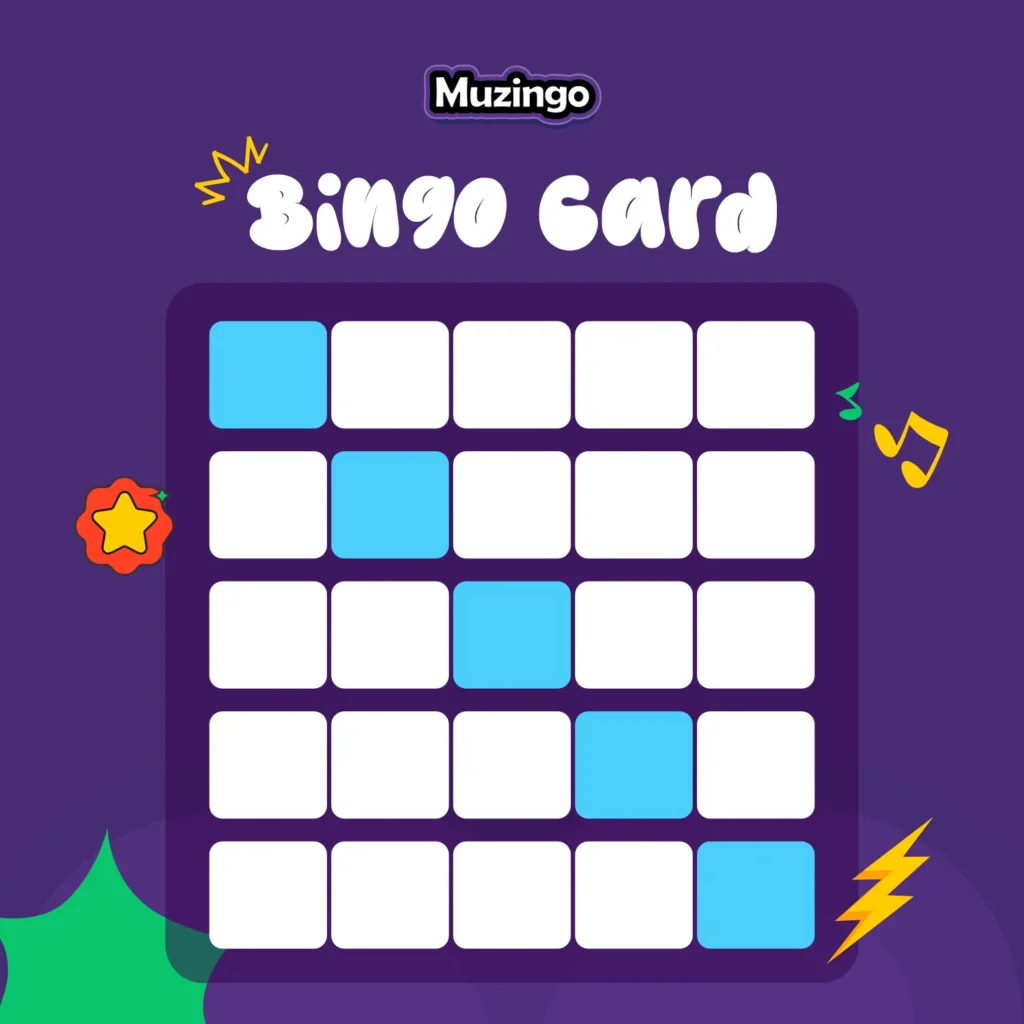
Muzingo is a fun game where players listen to music tracks and match them to bingo cards — competing to win prizes with friends.
Play Muzingo FreeNo Card Required
Repeatability lowers cognitive load.
Predictability lowers anxiety.
Consistency builds anticipation.
The Repeatable Event Infrastructure Model for Online Events Without Burning Out



A sustainable model includes four elements:
Fixed format
Example: 45-minute interactive music bingo session monthly.
Predictable rhythm
First Thursday every month. Same time. Same channel.
Low cognitive load setup
Pre-built templates for Slack announcements.
Standard Zoom configuration.
Pre-curated playlist.
Clear participation rules
Simple entry instructions.
Defined winner logic.
Time-bound interaction.
Here is how to implement it step by step:
- Pre-build a 90-day event calendar inside Slack, Discord, or Mighty Networks.
- Create a plug-and-play event brief template with identical structure each cycle.
- Assign one moderator and one technical operator before every session.
- Standardize promotional copy for three reminder waves.
- Track attendance percentage and repeat attendance rate.
If you are evaluating tools, review guides like
HOW TO CHOOSE THE BEST MUSIC BINGO SOFTWARE
If you need execution guidance, reference
HOW TO HOST A MUSIC BINGO NIGHT UNFORGETTABLE
Infrastructure reduces emotional risk. It makes online events without burning out operationally realistic.
How to Prevent Burnout as a Manager While Increasing Engagement
When someone asks how to prevent burnout as a manager, the answer is rarely rest alone.
Rest helps. Structure solves.
To prevent burnout:
Pre-build quarterly programming instead of planning monthly.
Fix one repeatable interactive format instead of inventing new ones.
Delegate chat moderation.
Automate reminders inside Slack or Discord.
Track engagement ratios instead of raw attendance.
Promotion can also be systemized. Use standardized templates and rotate minor wording changes. For tactical ideas, explore
PROMOTE YOUR MUSIC BINGO EVENT ON SOCIAL MEDIA
Managers who run online events without burning out remove unpredictability from participation cycles.
From Event Fatigue to Engagement Engine

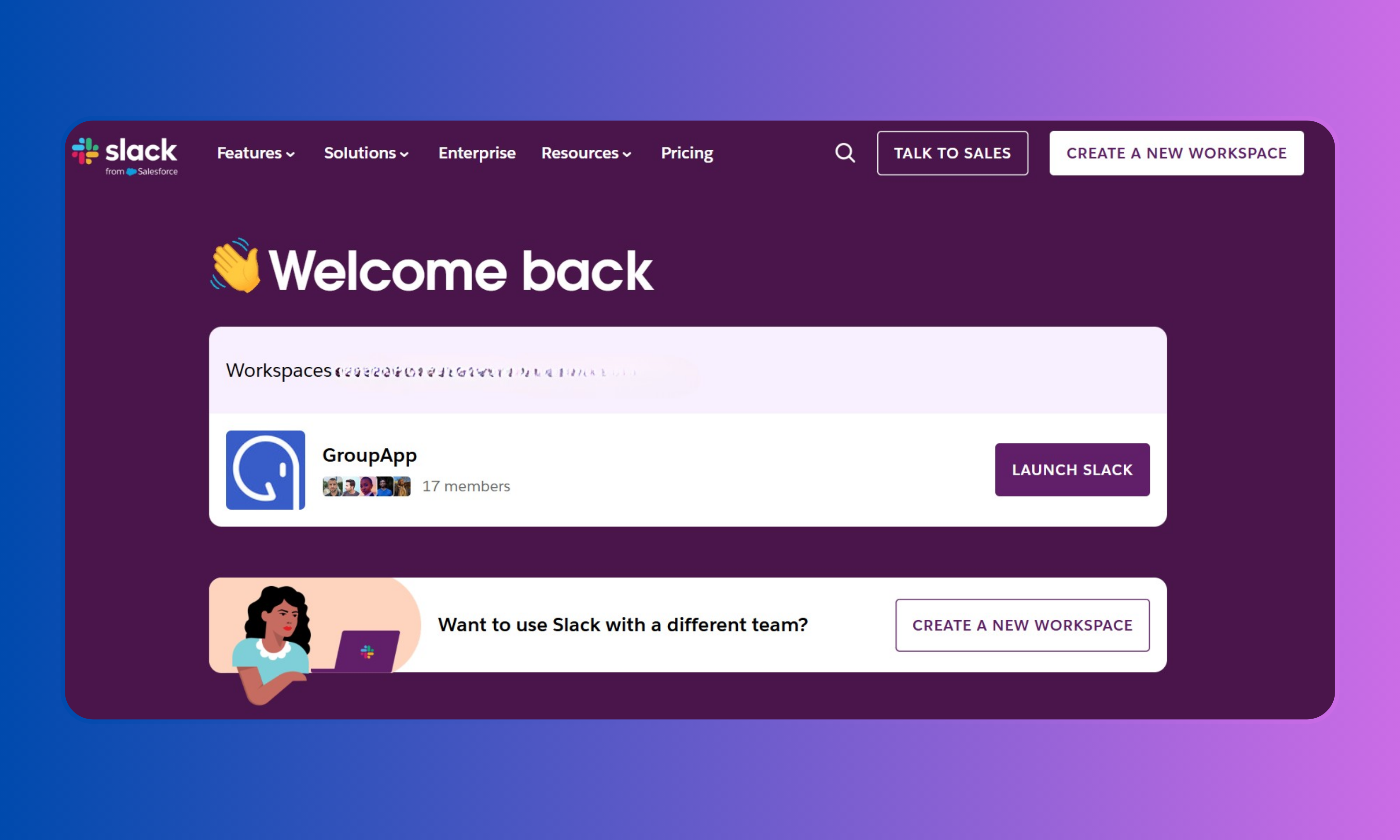
At this stage, structure becomes leverage.
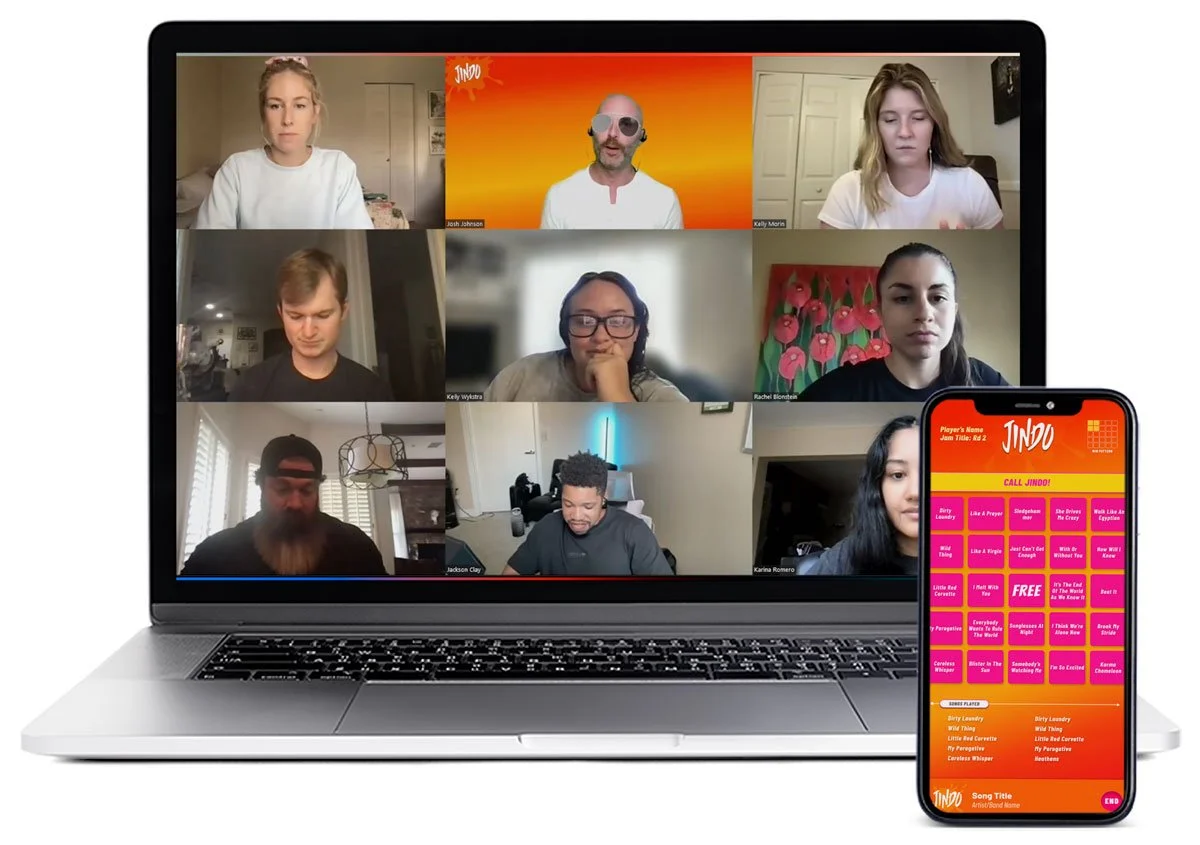
Music bingo is not a gimmick. It is a structured interactive ritual.
If you are new to the format, read
WHAT IS MUSIC BINGO
When embedded inside Slack, Discord, Circle, or Mighty Networks communities, music bingo like Muzingo helps your work become predictible, interactive, low setup and repeatable.

It creates participation spikes without creative exhaustion.
It can also become a revenue layer. If you want to explore monetization logic, review
HOW TO MONETIZE MUSIC BINGO
Running online events without burning out becomes possible when interaction is systemized.
Muzingo operates as the engagement infrastructure layer. Not noise. Not novelty. Structure.
Conclusion: Burnout Is a Systems Failure
Burnout is not weakness. It is misaligned design.
If you want sustainable engagement inside Slack communities, Discord servers, SaaS user groups, founder networks, or creator memberships, stop reinventing events.
Install ritual infrastructure.
Measure repeat attendance.
Stabilize format.
Lower cognitive load.
Build predictable participation cycles.
Hence, You can keep exhausting yourself trying to out-create declining engagement.
Or you can install a system that makes participation predictable.
If you’re serious about turning your Slack, Discord, Circle, or Mighty Networks community into a structured engagement engine that runs on ritual instead of adrenaline, this is your next move:
Apply to become a Community Host Partner and install the repeatable event infrastructure your community has been missing