
If you are searching for how to monetize your online community events, you are probably feeling a familiar frustration.
You run Slack workshops.
You host Discord networking sessions.
You schedule Zoom panels.
Attendance spikes. Chat lights up. Then revenue remains flat.
You are generating value. You are not capturing it.
Most digital community managers understand engagement. Fewer understand monetization architecture. If you want clarity on how to monetize your online community events, you must stop thinking about charging and start thinking about structure.
This article is written specifically for operators managing:
• Slack communities
• Discord servers
• SaaS user groups
• Founder networks
• Creator memberships
• Virtual tech communities
This is digital-first infrastructure. Nothing here applies to bars or physical venues.
RELATED BLOG POST
- ONLINE COMMUNITY ENGAGEMENT: WHY MOST COMMUNITIES TURN INTO GRAVEYARDS AFTER 90 DAYS
- HOW TO INCREASE COMMUNITY ENGAGEMENT AND ACTIVATE GHOST MEMBERS
- 5 ONLINE COMMUNITY EVENTS THAT WILL DRAMATICALLY INCREASE PARTICIPATION
- HOW TO MONETIZE MUSIC BINGO
Why Most Online Community Events Never Generate Revenue
Understanding how to monetize your online community events starts with diagnosing failure patterns.

Fear of Charging
Community managers assume members will resist paid events. That belief is rarely tested with structured offers.
People pay for outcomes. They do not pay for vague gatherings.
If your Zoom event promises “discussion,” price becomes awkward.
If your event promises “Leave with a validated launch plan,” pricing becomes logical.
No Premium Differentiation
If every event inside Slack or Discord is free, you have erased upgrade logic.
Online community monetization depends on layered value.
Free access can build trust.
Structured premium events build revenue.
Weak Participation Structure
If your events are passive, monetization collapses.
Low chat activity
No breakout assignments
No measurable interaction
Sponsors do not invest in silence. Members do not pay for inactivity.
If you are serious about learning how to monetize your online community events, participation design is not optional.
No Sponsorship Architecture
Sponsors purchase engagement density.
If your Circle or Mighty Networks event generates:
400 comments
80 percent live attendance
70 percent retention
That is measurable leverage.
Without structure, there is no data. Without data, there is no sponsorship logic.
The 4 Community Revenue Models That Actually Work
When founders ask how to monetize your online community events, they usually expect pricing advice.
They need architecture instead.
1. Ticketed Access Model
This is the cleanest entry point into event monetization strategies.
Example:
You operate a 300-member Discord founder network.
You design a structured 90-minute workshop.
15 percent purchase a $12 ticket.
45 members × $12 = $540 per event.
Run twice monthly = $1,080.
The math is simple. The design is the leverage.
Step-by-step execution:
Step 1: Define a measurable outcome.
Step 2: Gate access using Eventbrite or paid access inside Circle or Mighty Networks.
Step 3: Cap seats to create urgency.
Platforms commonly used:
Slack for pre-event build-up
Discord for gated roles
Circle for tier access
Mighty Networks for bundled memberships
Geneva for segmented group experiences
Zoom for structured live execution
Eventbrite for ticket processing
This is practical online community monetization, not theory.
2. Tiered Membership Events
Instead of charging per event, build layered access.
Free tier:
Monthly open Q&A on Zoom.
Paid tier:
Quarterly structured intensive.
Small-group breakout rooms.
Downloadable frameworks.
This stabilizes your community revenue model.
Execution framework:
Step 1: Audit existing free value.
Step 2: Identify transformation events.
Step 3: Assign premium access to higher tier.
Circle and Mighty Networks allow clean paywall segmentation.
If you are exploring how to monetize your online community events, subscription layering increases predictability and strengthens your long-term monetization strategy.
3. Sponsorship Integration
Sponsors do not want banners. They want structured exposure.
Example:
Your Slack product demo generates 500 comments in 60 minutes.
You include a sponsor-hosted interactive segment.
This becomes a measurable sponsorship opportunity.
Execution steps:
Take Your Game Nights to the Next Level
Muzingo is a fun game where players listen to music tracks and match them to bingo cards — competing to win prizes with friends.
Play Muzingo FreeNo Card Required
Step 1: Track engagement metrics inside Slack or Discord.
Step 2: Package post-event reports.
Step 3: Offer structured sponsor integration, not ads.
Revenue becomes ecosystem-driven.
4. Affiliate-Hosted Event Formats
Train selected members to host repeatable formats.
You provide infrastructure.
They drive attendance.
Revenue is shared.
This expands capacity without burning out leadership.
If you want clarity on how to monetize your online community events, distributed hosting increases scalability and deepens ownership inside the ecosystem.
How to Monetize Your Online Community Events Through Structured Design
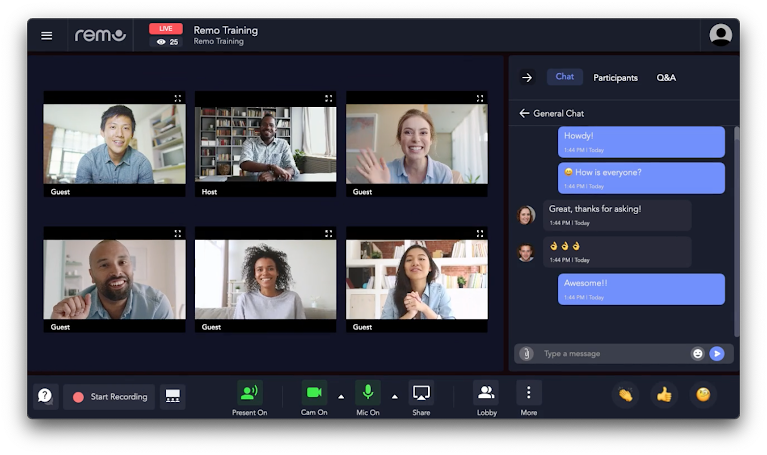
You cannot monetize chaos.
Design precedes pricing.
People pay for:
Clear outcomes
Structured participation
Scarcity
Identity reinforcement
If you want to master how to monetize your online community events, you must design participation intentionally rather than improvising engagement.
Clear Outcome
Replace:
“Weekly networking call.”
With:
“Leave with 3 verified partnership introductions.”
Specificity increases perceived value.
Structured Participation
Use timed breakout rooms on Zoom.
Use reaction-based voting inside Slack.
Use leaderboard mechanics in Discord.
Engagement density increases willingness to pay.
This is core to how to monetize your online community events sustainably.
Scarcity
Limit attendance.
Limit replay duration.
Limit frequency.
Scarcity increases focus.
Identity Reinforcement
When members feel part of a ritual, monetization becomes natural.
Ritual creates belonging.
Belonging increases retention.
Turn Engagement Into Revenue Infrastructure
Most communities operate as cost centers.
Zoom subscription.
Moderator time.
Platform fees.

Revenue appears distant.
If you are serious about understanding how to monetize your online community events, you must transform events into repeatable rituals.
This is where structured interactive formats become powerful.
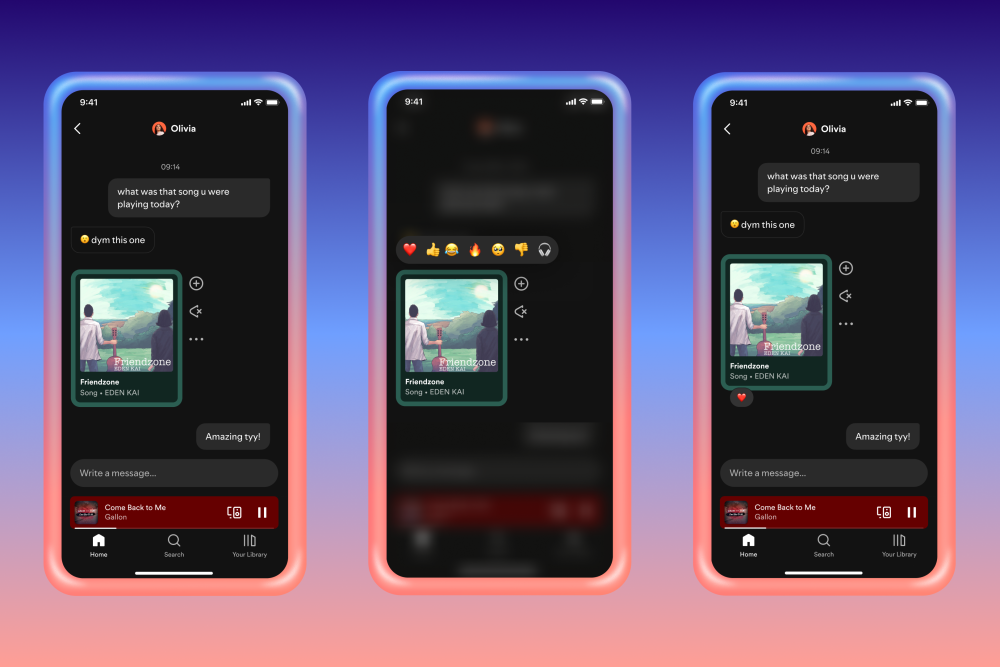
Music bingo, deployed digitally, is not novelty. It is structured participation infrastructure.
It can be:
Ticket-gated
Tier-exclusive
Sponsor-integrated
Affiliate-hosted
To understand its monetization logic further, see
How to Start a Profitable Music Bingo Business
and
Subscription Service for Online Music Bingo Events.
These explain infrastructure layering.
The key insight is this:
Engagement becomes monetizable when it is repeatable.
If members anticipate your monthly structured event, pricing becomes expected rather than resisted.
From Community Cost Center to Revenue Engine

Communities often operate as expenses.
Server costs.
Platform fees.
Labor hours.
When you apply structure, they become assets.
If your online community events consistently:
Drive attendance
Increase participation
Reinforce identity
Create repeatable ritual
They can generate revenue.
If you have been asking how to monetize your online community events, the answer is structure.
Design better.
Structure participation.
Install ritual.
Layer monetization logically.
Revenue follows value density.
If you fully understand how to monetize your online community events, you stop treating events as isolated moments and start treating them as repeatable revenue systems.
If your online community events create energy, they can create revenue.
Join the Community Host Partner Group and make your community an income generator