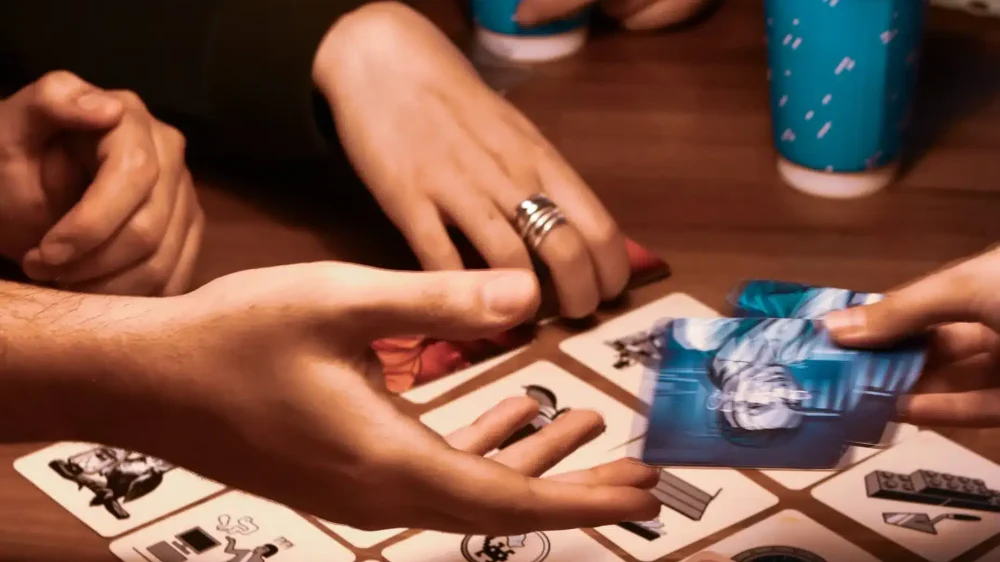

Two players hear the same song. One reacts in under two seconds and wins the round. The other hesitates and loses momentum immediately. That difference is not luck. It is how their music taste has trained their brain to recognize patterns, process sound, and act under pressure.
RELATED BLOG POST
- WHAT IS MUSIC BINGO
- HOW MUSIC TRENDS HAVE EVOLVED IN THE LAST DECADE
- THE SCIENCE BEHIND WHY OLD SONGS MAKES US HAPPY
- HOW INTERACTIVE MUSIC GAMES BRING GROUPS TOGETHER
What Is Music Taste and Why It Matters
Music taste is the pattern of genres, tempos, and sounds you prefer, shaped by exposure, memory, and repeated listening. It determines how fast you recognize songs, how you interpret audio patterns, and how confidently you respond in competitive situations.
Platforms like Spotify reinforce music taste through algorithmic recommendations that cluster similar genres and sounds. Over time, this builds strong neural familiarity with specific rhythms and structures.
According to research published by the National Institutes of Health, repeated exposure to familiar music strengthens memory recall pathways, making recognition faster and more automatic. That mechanism directly affects how you perform in music-based games.
A player raised on Afrobeats develops rapid rhythm recognition. A listener focused on lyrical genres builds sensitivity to words and phrasing. That difference shows up instantly in competitive play.
How Music Taste Connects to Competitive Behavior
Music taste shapes competitive behavior by influencing reaction speed, decision style, and confidence under pressure.
Fast-tempo genres train rapid pattern recognition. Analytical genres train deeper processing. Familiarity increases confidence and reduces hesitation.

A study referenced by Harvard University shows that faster auditory recognition correlates with quicker decision-making in time-constrained tasks. In music games, that translates directly into faster answers.
For example, a player deeply familiar with Afrobeats will identify rhythm patterns within seconds, while a player outside that genre pauses to interpret the sound.
Confidence amplifies this effect. Recognition triggers immediate action. Uncertainty triggers delay. In competitive environments, delay reduces scoring probability significantly.
What Your Music Taste Says About How You Compete
Your music taste predicts your competitive behavior across four clear archetypes.
Fast-Paced Music Lovers (Afrobeats, EDM, Pop)
Fast-paced listeners rely on instinct and speed. They process beats quickly and act without hesitation.
Playlists like Afrobeats playlists for game nights train rapid rhythm recognition, improving reaction time in high-speed rounds.
These players dominate fast-paced gameplay but may sacrifice precision when decisions require deeper analysis.
Lyric-Focused Listeners (Hip-Hop, R&B)
Lyric-focused listeners compete through analysis and detail recognition.
They identify subtle vocal cues and lyrical patterns that others miss. This gives them an advantage in accuracy-based rounds.
However, their processing style can slow them down in speed-driven scenarios.
Nostalgic Music Fans (Old School, Throwbacks)
Nostalgic listeners rely on memory recall and emotional familiarity.
Insights from why old songs make us happy show that emotionally familiar songs activate stronger recall pathways, improving recognition speed.
These players perform consistently, especially in throwback-heavy rounds.
Eclectic Listeners
Eclectic listeners adapt across genres and adjust quickly to different formats.
They perform well in mixed-category games because they are not locked into one pattern of recognition.
Their advantage is versatility, though they may lack the deep specialization of other player types.
Can You Measure Your Music Taste
Most music taste quizzes measure preference, not performance.
A typical music preference quiz asks what you like. It does not measure how fast you recognize songs or how accurately you respond under pressure.
Take Your Game Nights to the Next Level
Muzingo is a fun game where players listen to music tracks and match them to bingo cards — competing to win prizes with friends.
Play Muzingo FreeNo Card Required
That gap matters.
Real behavior appears only when you are forced to act in real time. Under pressure, your brain reveals how it processes sound, not just what it prefers.
This is why static quizzes fail to capture competitive behavior. They lack speed, pressure, and consequence.
Why Music Games Reveal Your True Competitive Style
Music games reveal competitive style because they simulate real-time decision-making under pressure.
In structured gameplay like music bingo rules, players must listen, recognize, and act within seconds.
That process reveals three measurable factors:
- Recognition speed
- Decision confidence
- Accuracy under pressure
Unlike quizzes, games generate observable performance data. They show how your music taste performs in action.
How to Use Your Music Taste to Win More Games
You can convert your music taste into a competitive advantage with deliberate training.
- Lean into your strengths
Focus on familiar genres to increase accuracy and confidence - Expand your exposure
Introduce new genres to improve recognition flexibility - Build recall loops
Replay songs to strengthen memory pathways - Train under time pressure
Use tools like how to play music bingo online to simulate real competition
For example, a nostalgic listener can improve reaction speed by training with newer genres. A fast-paced listener can improve accuracy by slowing down and focusing on detail.
Balanced exposure produces stronger performance.
Test Your Music Taste in Real Time


The only reliable way to understand your music taste is to test it in action.
Muzingo converts music into a real-time competitive system where your taste directly affects your performance.
Here is how the game works:
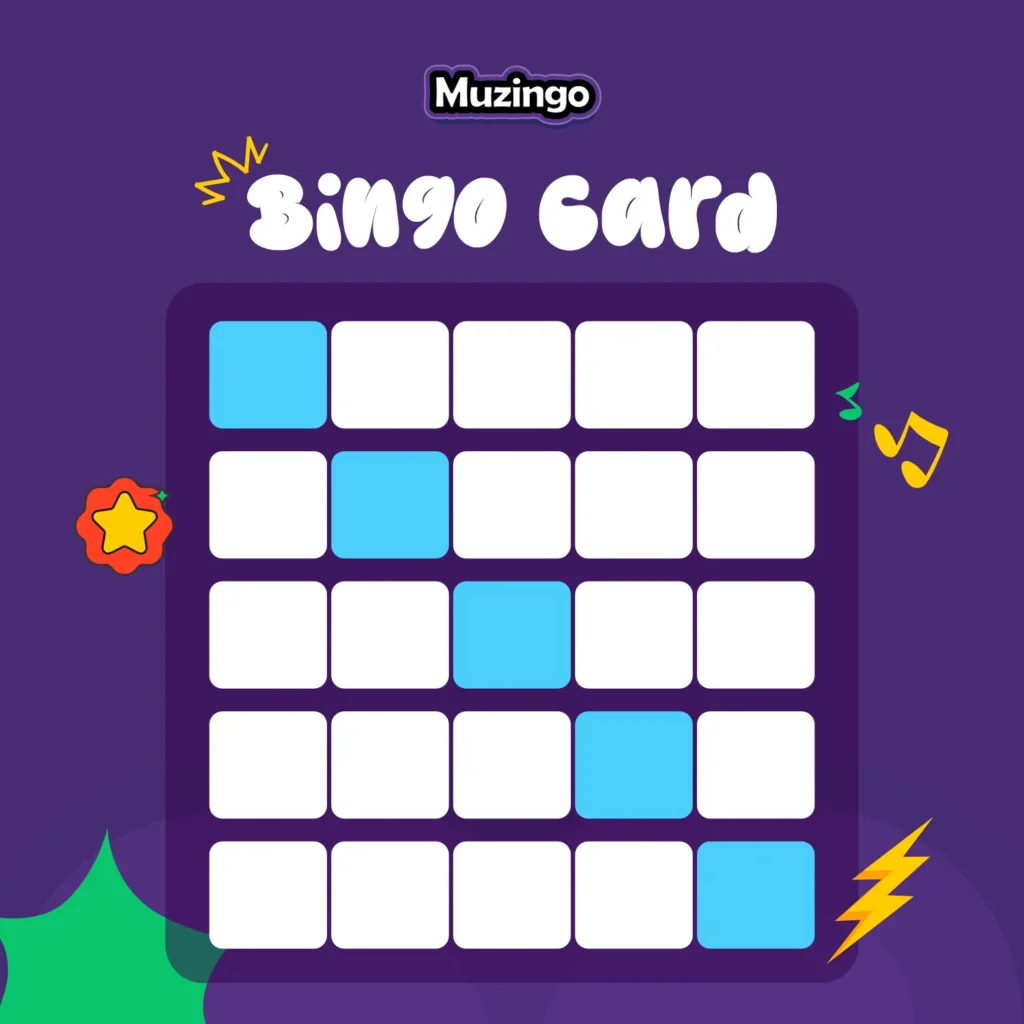
- You receive a unique bingo card with song titles
- A host plays song clips
- You match songs to your card
- Five correct matches trigger a win
This structure measures:
- Reaction speed
- Recognition accuracy
- Performance under pressure
You can start instantly by trying play music bingo for free or jump straight into a live session through join a music bingo game.
Conclusion
Your music taste is a performance system that shapes how you react, decide, and compete.
When you understand your listening patterns, you gain control over your competitive behavior. You improve recognition speed, sharpen accuracy, and perform better under pressure.
Music games expose what preference-based quizzes cannot. They reveal how your taste performs in real situations.
If you want to turn your music taste into a competitive advantage, start testing it in real time and measure how you actually perform.
Test your music instincts on Muzingo
FAQ
What does your music taste say about you
Music taste reflects personality traits, emotional preferences, and cognitive patterns, which influence how you react, decide, and compete in music-based environments.
Is there a music taste quiz that is accurate
Most quizzes provide surface insights, but real-time music games offer a more accurate reflection of how your taste translates into action.
Can music taste affect how competitive you are
Yes. Faster, high-energy preferences often correlate with quick reactions, while analytical listening styles align with strategic thinking.
How can I test my music taste
You can use quizzes or participate in music games where speed, recall, and recognition reveal your true behavior.