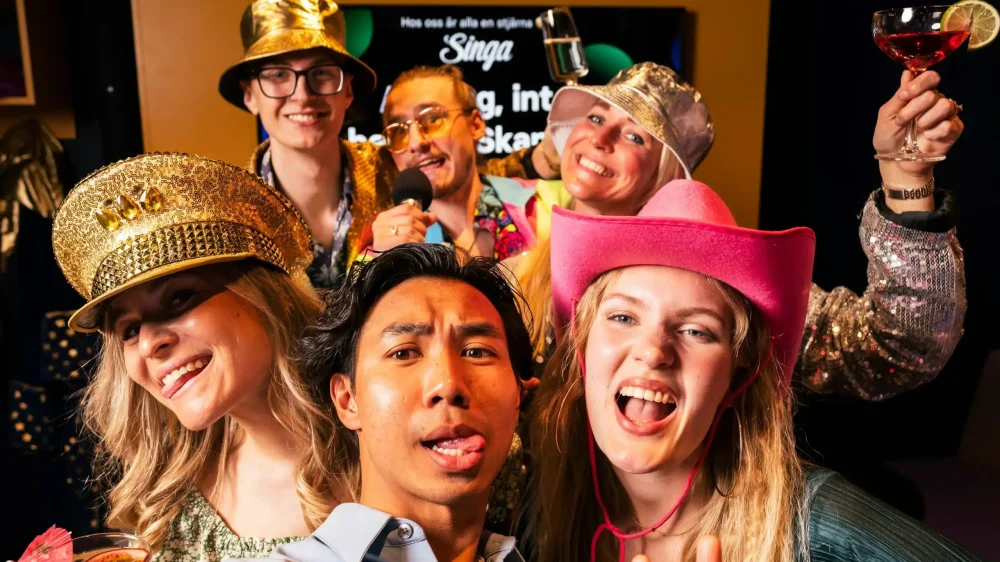
A successful happy hour combines irresistible offers with memorable experiences that keep guests engaged long after the first drink. The most profitable bars use entertainment, food, and social interaction to increase customer dwell time, encourage repeat orders, and build loyal customers who return week after week.
Imagine this.
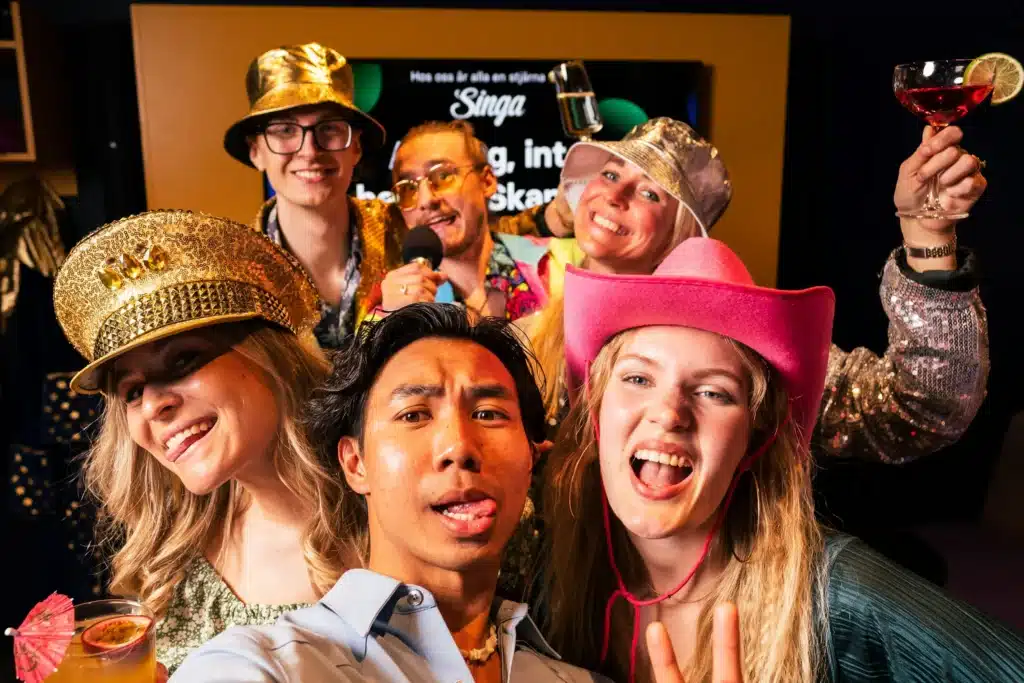
It’s 5:30 p.m. Your bar fills up as your happy hour ideas promotion begins. Customers order discounted cocktails, laugh with friends, and enjoy the atmosphere. An hour later, half the room is empty.
The drinks were sold.
The seats are vacant.
The revenue opportunity has disappeared.
This is the challenge many bars face. Discounts attract people through the door, but they rarely convince them to stay. Once guests have claimed the deal, they often head elsewhere for dinner or continue the evening at another venue.
The bars that consistently outperform their competitors understand something different. Happy hour isn’t simply about cheaper drinks. It’s about creating an experience customers don’t want to leave.
Every extra 30 minutes a guest spends in your venue creates more opportunities for another drink, a shared appetizer, dessert, or an invitation to return next week. According to the National Restaurant Association, improving guest experience remains one of the strongest drivers of repeat business within the hospitality industry.
That shift from “discount” to “experience” is where profitable happy hour ideas begin.
Related Blog Posts
- HOW TO MAXIMISE BAR REVENUE DURING THE SUMMER SEASON
- THE BUSINESS CASE FOR ADDING INTERACTIVE ENTERTAINMENT TO YOUR VENUE
- HOW TO USE SOCIAL MEDIA TO FILL SEATS FOR YOUR WEEKLY MUSIC NIGHT
- HOW EVENT CENTRES CAN USE MUSIC TO INCREASE REPEAT BOOKINGS
Why Do Most Happy Hours Fail to Increase Revenue?
Most happy hours fail because they reward customers for arriving, not for staying.
A discounted drink may increase foot traffic, but it does very little to encourage another purchase after the first order. When the only attraction is price, customers compare your promotion with every competing venue nearby.
Research and operational guidance from Toast Restaurant Resources and Square Restaurant Resources consistently show that guest experience, customer retention, and average spend matter more than discount size when measuring restaurant profitability.
Think about the customer journey.
A guest walks in.
Orders one discounted cocktail.
Chats for 20 minutes.
Pays.
Leaves.
Nothing happened that encouraged another round.
Nothing made the visit memorable.
Nothing created anticipation for next week.
Now compare that with a venue where guests are laughing during a music challenge, competing with neighbouring tables, earning prizes, sharing videos on social media, and waiting for the next round to begin.
The drinks become part of the experience instead of the entire experience.
That difference transforms ordinary happy hour ideas into recurring revenue opportunities.
Which Happy Hour Ideas Keep Customers Spending Longer?
Not every promotion delivers the same results. The most effective happy hour ideas create reasons for customers to remain in your venue after they’ve finished their first drink.
1. Create Weekly Music Game Nights
Instead of relying solely on discounted cocktails, give customers something to participate in.
Music games create conversation, friendly competition, and anticipation between rounds. Rather than checking the time after finishing a drink, guests stay because another round of entertainment is about to begin.
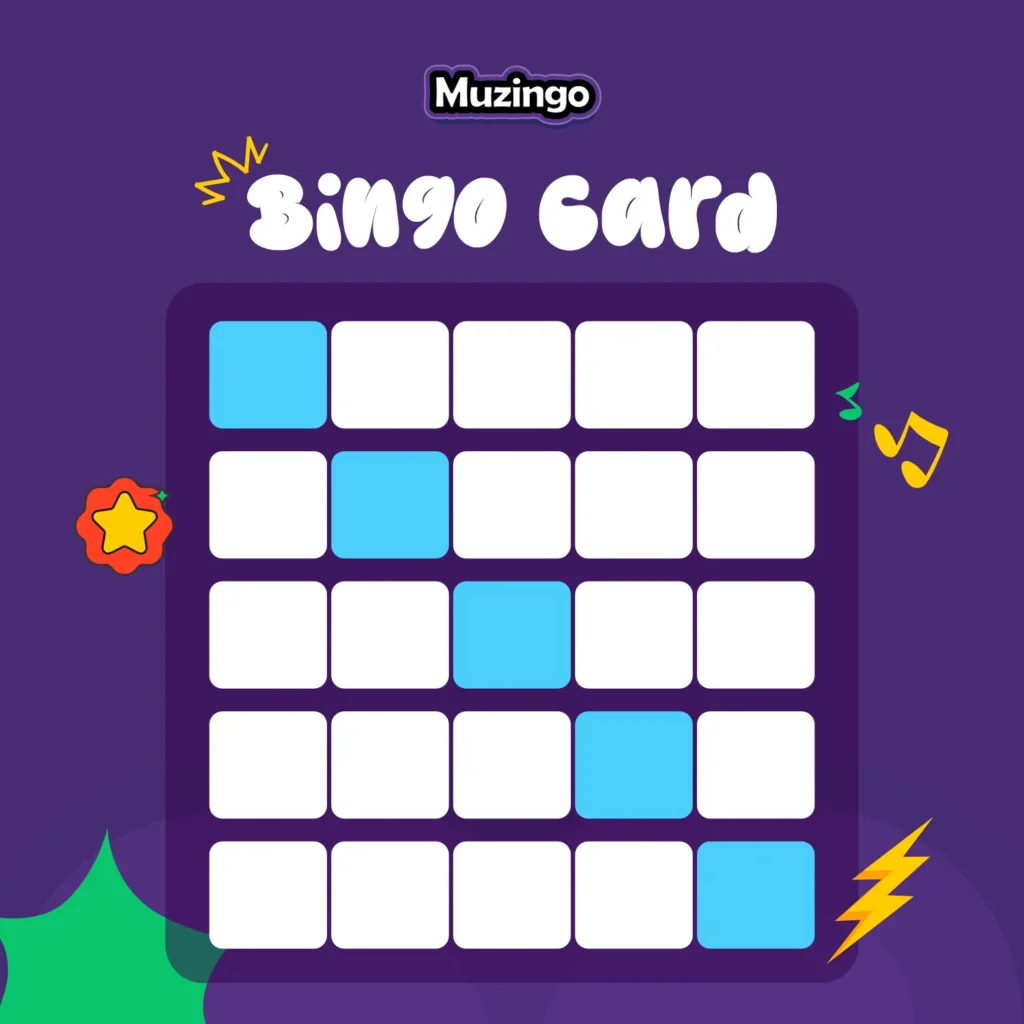
A platform like Muzingo turns familiar songs into an interactive music bingo experience. Every player receives a unique card filled with song titles. The host plays short song clips, players match songs on their cards, and the first person to complete a winning pattern calls “Muzingo.”
Because every round feels different, customers remain engaged while naturally ordering more food and drinks throughout the evening.

2. Run Theme-Based Happy Hour Events
Weekly themes give customers a reason to return instead of treating happy hour as a one-time discount.
Some successful themes include:
- Throwback Thursdays
- Afrobeats Fridays
- 90s Music Night
- Karaoke Happy Hour
- Movie Soundtrack Night
The Eventbrite Organizer Blog consistently highlights themed experiences as one of the strongest drivers of repeat attendance because they create anticipation before customers even arrive.
Every new theme becomes fresh marketing content for your social media pages.
3. Pair Drinks With Interactive Challenges
Food and drinks become more enjoyable when they’re connected to an activity.
For example:
Take Your Game Nights to the Next Level
Muzingo is a fun game where players listen to music tracks and match them to bingo cards — competing to win prizes with friends.
Play Muzingo FreeNo Card Required
- Buy two cocktails to unlock a bonus music round.
- Order a sharing platter to enter a team challenge.
- Purchase a signature drink to receive a wildcard during gameplay.
Customers stop thinking about buying another drink.
They start thinking about earning another chance to win.
What Happy Hour Food Keeps Customers Ordering?
The best happy hour food complements drinks, encourages sharing, and gives customers a reason to order another round. Instead of filling guests up too quickly, the right menu keeps them engaged while increasing the average bill.
According to Toast Restaurant Resources, carefully designed menus and strategic food pairings can improve average check value by encouraging additional purchases throughout a visit.
Focus on dishes that are easy to share and quick to serve, such as:
- Loaded fries
- Chicken wings
- Sliders
- Nacho platters
- Mini tacos
- Flatbread pizzas
- Fried calamari
- Mozzarella sticks
These happy hour foods naturally encourage guests to linger because sharing food extends conversations and often leads to another round of drinks.
An effective strategy is to bundle drinks with appetizers instead of offering larger drink discounts. For example, customers who order a sharing platter could receive an extra music game entry or a bonus challenge card, making the meal part of the entertainment rather than just another purchase.
When planning food for happy hour, keep preparation times short so guests spend more time enjoying the atmosphere than waiting for orders.
Why Do Interactive Experiences Increase Customer Spending?
Interactive entertainment changes how customers experience your venue. Instead of passively drinking and chatting until it’s time to leave, guests become active participants in the evening.
Research published through PubMed shows that music activates multiple regions of the brain associated with memory and emotion. Familiar songs trigger recognition, conversation, and nostalgia, making experiences more memorable.
Similarly, the American Psychological Association has published research showing that games, rewards, and positive social interactions increase engagement and motivation. In a hospitality setting, that engagement often translates into longer visits and more opportunities for additional purchases.
Here’s why interactive experiences work so well:
- They give customers a reason to stay until the next round.
- They encourage groups to remain together.
- They create memorable moments that guests share online.
- They reduce the focus on discounts by shifting attention to the experience.
- They make every visit feel different, even when the menu stays the same.
Imagine a table that has just finished eating.
Without entertainment, they settle the bill and leave.
With a music challenge about to begin, they order another round of drinks, wait for the next song, celebrate a win, and stay another 30 to 45 minutes.
That extra time creates additional revenue without increasing your discount.
How Can Bars Measure Whether Happy Hour Is Successful?
The success of happy hour ideas shouldn’t be measured by the number of discounted drinks sold. The real question is whether those promotions increase overall profitability.
According to Toast Restaurant Resources and Square Restaurant Resources, tracking customer behaviour over time provides a clearer picture of business performance than focusing on individual transactions.
| Metric | Why It Matters |
|---|---|
| Average spend per guest | Shows whether customers buy beyond discounted items. |
| Average visit duration | Measures customer dwell time and engagement. |
| Repeat customer rate | Indicates whether guests return regularly. |
| Revenue per hour | Reveals whether happy hour increases overall earnings. |
| Customer participation | Measures how many guests engage with entertainment activities. |
Review these metrics every week instead of waiting until the end of the month. Small improvements in visit duration and repeat attendance often produce larger long-term revenue gains than deeper discounts.
How Can Muzingo Turn Happy Hour Into a Weekly Revenue Driver?
The most successful happy hour ideas don’t rely on price alone. They create an experience customers anticipate every week.
Muzingo helps bars transform ordinary happy hours into interactive music game nights that encourage guests to stay longer, order more, and return again.
Instead of handing customers another discount voucher, you give them something to remember.
Players receive unique music bingo cards filled with song titles. As the host plays short clips from popular tracks, guests mark matching songs on their cards. The excitement builds with every round until someone completes the winning pattern and calls “Muzingo.”
Because every game features different songs and different winners, each event feels fresh. Customers remain engaged between food and drink orders, groups compete together, and first-time visitors have a reason to come back next week.
The result is a happier crowd, longer dwell time, stronger word-of-mouth marketing, and a more profitable happy hour built around entertainment instead of constant discounting.
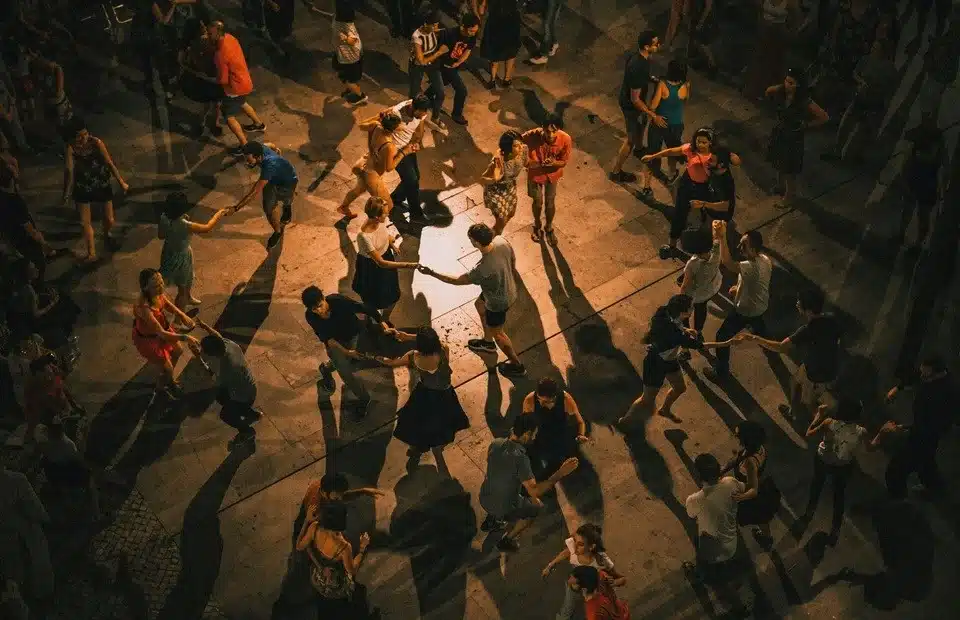
Conclusion
Great happy hour ideas do far more than fill seats for an hour. They create experiences that encourage customers to stay, spend, and return.
Discounts may attract attention, but memorable entertainment builds loyalty. When music, friendly competition, themed events, and shareable moments become part of your happy hour strategy, every visit offers another opportunity to strengthen customer relationships and increase revenue.
If you want your venue to become the place customers look forward to visiting every week, start building experiences they can’t get anywhere else.
Ready to turn your happy hour into a recurring revenue driver? Start your first interactive music game today with Muzingo.
Frequently Asked Questions
What are the best happy hour ideas for bars?
The best happy hour ideas combine attractive food and drink offers with interactive entertainment such as music games, trivia, themed nights, and loyalty rewards. These experiences encourage customers to stay longer and return more often.
How do happy hours increase bar revenue?
Happy hours increase revenue when they extend customer dwell time, encourage repeat orders, promote food sales, and generate repeat visits instead of relying solely on discounted drinks.
What entertainment keeps customers in bars longer?
Interactive entertainment such as music bingo, trivia competitions, karaoke, live quizzes, and team challenges keeps guests engaged and gives them reasons to remain until the next activity begins.
Should happy hour include games?
Yes. Games create memorable experiences, encourage group participation, and reduce the emphasis on discounts. They also provide customers with reasons to return for future events.
How often should bars host happy hour events?
Hosting happy hour once or twice each week creates consistency while giving customers something to anticipate. Rotating themes helps maintain excitement and encourages repeat attendance.