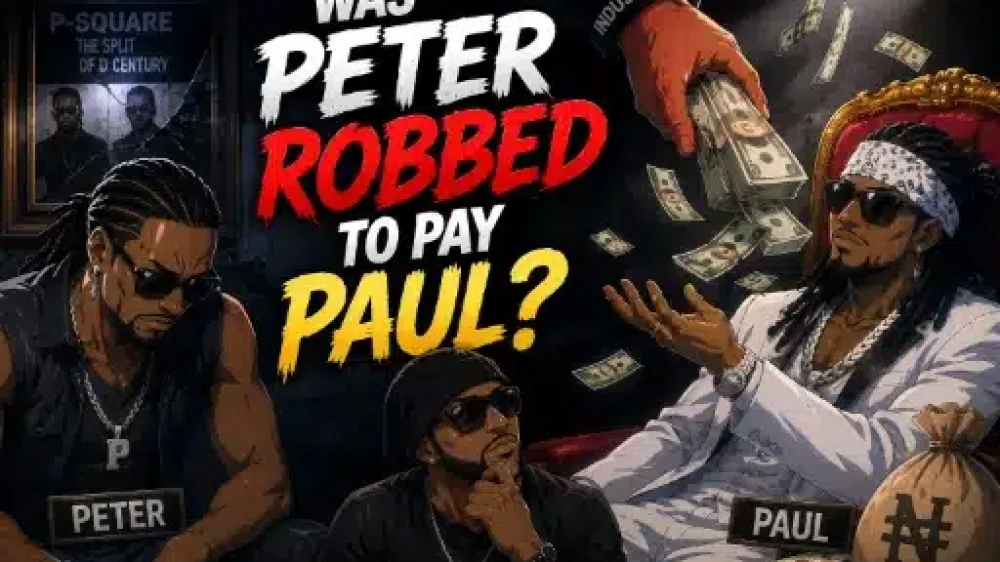
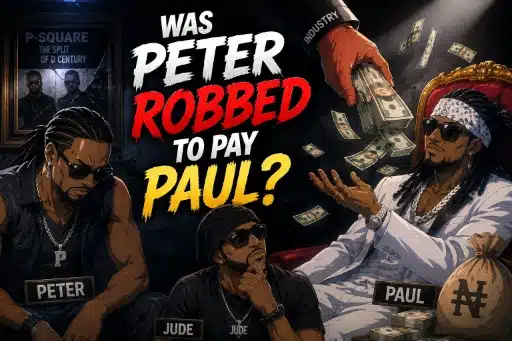
What happened to P-Square? Was Peter robbed to pay Paul? The iconic Afrobeats duo, consisting of twin brothers Peter and Paul Okoye, officially disbanded in 2017 amid intense family disputes, reunited briefly in 2021, and split again by mid-2024. Their ongoing feud over music contracts clauses you should never sign blindly, royalties, and brand ownership has become a cautionary tale for aspiring artists about the complexities of family-run music empires and the necessity of transparent legal agreements.
Introduction
Sometimes the hardest part about watching your childhood heroes grow older is realizing they have to. When people ask what happened to P-Square, they are usually looking for a timeline of arguments and court dates. But understanding what happened to P-Square requires looking deeper than legal filings. When music fans discuss what happened to P-Square, they are often grieving the soundtrack of their youth. Anyone researching what happened to P-Square quickly realizes this is not just a celebrity spat.
Fame reshapes people. Family complicates people. Success isolates them. When it comes to Peter and Paul Okoye—the identical twins who conquered the continent as P-Square—this dissolution did not happen quietly behind the velvet ropes of VIP lounges. It unspooled in the harsh glare of public scrutiny, documented through leaked lawyer-office altercations, bitter social media broadcasts, and formal financial crime petitions.
P-Square did not just participate in the African music industry; for over a decade, they were its gravitational center. They reshaped the sound and visual aesthetics of a continent, dictating what success looked like. Then, tragically, they became one of its most heartbreaking sagas.
The question isn’t simply about who signed what document, or who owes whom millions in backdated royalties. When examining what happened to P-Square, the deeper, more compelling question is: How do two brothers who once shared a cramped bedroom in Jos become strangers communicating through cease-and-desist letters? And why did millions of fans feel a profound, personal grief watching them tear each other apart?
This article is not a tabloid chronicle. It is an exploration of legacy, the heavy burden of branding for musicians to build instant recognition, and the devastating cost of a fractured brotherhood. To truly grasp what happened to P-Square, we must peel back the sensationalism. It demands separating verified facts from internet gossip to understand the systemic challenges of an industry that often prioritizes rapid growth over sustainable structures. Ultimately, analyzing what happened to P-Square reveals the immense pressures facing African pop dynasties.

RELATED BLOG POST
- THE EVOLUTION OF AFROBEATS (FROM FELA TO REMA)
- 7 PROVEN WAYS TO BUILD A SIGNATURE SOUND AUDIENCES REMEMBER
- A DEEP DIVE INTO MUSIC CULTURE – WHAT IT IS AND WHY IT MATTERS
- WHY VIRAL SONGS DON’T MAKE ARTISTS SUCCESSFUL
Who Are P-Square?
Before they became the subject of lawsuits and press releases, P-Square were the undisputed kings of African pop. Anyone researching what happened to P-Square must first understand how high they climbed.
Their story started far from the coastal wealth of Lagos. Hailing from Jos, a plateau city in central Nigeria renowned for nurturing extraordinary artistic talent, Peter and Paul Okoye began their journey mirroring Michael Jackson’s choreography and singing in local Catholic school talent shows. They formed an a cappella group, honing a symbiotic rhythm that would later define their entire career.
They didn’t burst onto the scene with immediate global backing. Their breakthrough came with their 2003 debut album, Last Nite, establishing them as hungry newcomers. But it was their 2005 sophomore masterpiece, Get Squared, released under their family-run imprint Square Records, that transformed them from rising stars into cultural deities.
Guided by their older brother and manager, Jude “Engees” Okoye, the twins pioneered a hybrid sound. They aggressively married Western R&B melodies with hard-hitting, indigenous African percussion. By doing so, they essentially wrote the blueprint for the historical evolution of Afrobeats. For any young artist today trying to figure out what happened to P-Square creatively, or looking for essential Afrobeats songs for new listeners, the P-Square discography is the ultimate foundation.
In the mid-2000s, distribution was a brutal, physical game. P-Square conquered it without relying on algorithms. Their success was measured by the mountains of CDs stacked in the chaotic stalls of Lagos’ Alaba International Market, and by the street hawkers who thrust their albums through the windows of cars stuck in endless traffic jams. Albums like Game Over (2007) and Danger (2009) bypassed traditional bottlenecks and landed directly in the hands of the people.
They consistently dodged second album syndrome. Every project they dropped felt larger than the last, meticulously crafted to dominate airwaves from Lagos to Nairobi, and eventually, the global diaspora. Through collaborations with international heavyweights like Akon, Rick Ross, and T.I., they expanded the boundaries of what African artists could achieve, showing a generation how crafting a compelling artist identity and biography could translate locally and globally. Understanding what happened to P-Square begins with recognizing the sheer scale of this empire.

Why Everyone Wanted to Be P-Square
To understand the magnitude of P-Square’s fallout, and why people care so deeply about what happened to P-Square, you must first understand their absolute cultural grip. They were not merely musicians; they were an aspirational lifestyle.
In 2006, you couldn’t walk into a secondary school hostel or a university campus without seeing a group of teenagers rehearsing the Bizzy Body choreography. Young boys marched into barbershops across Lagos, Accra, and Kampala clutching pixelated magazine cutouts of Peter and Paul, demanding the exact same mohawk. When P-Square dropped a music video, it wasn’t just a promotional tool; it was an event.
During the golden era of MTV Base, Channel O, and Soundcity, P-Square handed television networks their most potent ammunition. Before P-Square, many African music videos relied on cheap green screens and rudimentary concepts. The twins introduced high-budget cinematography, matching leather outfits, and rigorous, sweat-drenched dance routines. They understood the assignment: to be global stars, you had to look and perform like global stars. This meticulous, visual-first approach is exactly what makes a song catchy enough to command an audience.
Long before Spotify or Apple Music, P-Square conquered the digital underground. Their music spread through the sacred ritual of pairing Nokia and Sony Ericsson phones via Bluetooth to transfer a 3-megabyte file of Do Me. Their lyrics dominated 2go chat rooms and BlackBerry Messenger (BBM) status updates.
DJs across Africa knew that a P-Square track was a guaranteed floor-filler. When planning event playlists for major celebrations, songs like Personally and Alingo were non-negotiable weapons. They commanded the ultimate top throwback songs that win over crowds.
Their influence permeated every layer of the entertainment industry. They set a new benchmark for live performances, inspiring an entire generation of artists to invest in performance and audio tools for music professionals. By mastering the art of curating fast-paced musical hooks to maintain high energy, they cracked the code to mass appeal. You simply cannot grasp understanding music culture and its broader social impact in the 21st-century African context without placing P-Square at the absolute center. When analyzing what happened to P-Square, music historians always point back to this era of unmatched cultural dominance.
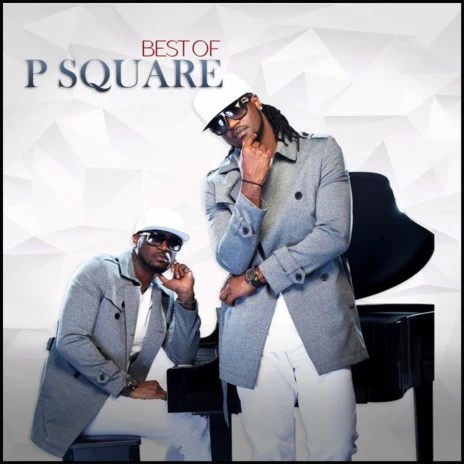
Why Did P-Square Become Such a Big Part of Our Lives?
The connection fans have with P-Square extends far beyond the technical brilliance of their music. It is rooted in the powerful, inescapable grip of autobiographical memory.
When you hear a song from your youth, you don’t just process the melody; you remember the exact smell of the university cafeteria, the faces of old friends, and how you felt the very first time those chords hit your ears. This is the science behind why old songs trigger happiness. P-Square engineered the soundtrack to a continent’s coming-of-age, which is why discussions about what happened to P-Square evoke such intense personal emotion.
Their romantic ballads, undeniably the most iconic love songs of the 2000s, were the backdrop to countless university romances and secondary school crushes. You literally cannot discuss the history of modern Nigerian weddings without mentioning No One Like You. That specific song has probably soundtracked more first dances than any other record in African history, cementing their music as the ultimate classic romantic date soundtracks.
Their music evokes a profound, almost aggressive nostalgia. Hearing Beautiful Onyinye or Temptation immediately transports listeners back to a simpler era. These aren’t just tracks on a streaming platform; they are childhood songs that trigger home nostalgia. When a P-Square song erupts from a speaker during a family gathering or a church youth event, it instantly unifies the room. This phenomenon highlights exactly how shared soundtracks make holiday gatherings memorable.
Whether you are hosting nostalgic family game gatherings or trying to figure out what your favorite music decade reveals about you, P-Square’s discography offers unparalleled emotional resonance. They taught a continent how to celebrate its own identity. They provided songs that reflect communal unity and gratitude, making them essential listening when marking life’s biggest milestones.
Even beyond the continent, they were a unifying force. For the African diaspora navigating foreign cities, their music served as a sonic bridge back home, a way of connecting distant friends through shared digital culture. They were the ultimate group for best practices for group music gameplay, providing hits that commanded instant, unanimous recognition. When they told us to dance, we danced. We weren’t just consumers; we were active participants in their era. And this deep sense of involvement is why how interactive song experiences strengthen social bonds perfectly describes the P-Square effect. To understand what happened to P-Square is to understand how deeply music binds communities together.

What Happened? (The Timeline of the Feud)
To fully comprehend what happened to P-Square, we must look at the timeline of events that tore the iconic P-Square brothers apart. The dissolution of Africa’s biggest pop duo did not happen overnight. It was a gradual unspooling, a tragic progression from private grievances to public warfare. Anyone tracking what happened to P-Square must examine these pivotal turning points.
2014: The First Cracks
Rumors of a severe rift between the P-Square members surfaced, largely concerning management decisions and alleged disparities in creative input. Fans were terrified, but a swift, heavily publicized reconciliation orchestrated by extended family and prominent politicians seemingly put the fire out. It was a band-aid over a bullet hole.
2016: The Social Media Eruption
The tensions bubbled over, this time spilling directly onto Twitter and Instagram. Peter Okoye explicitly called for the removal of their brother, Jude Okoye, as their manager. Paul publicly defended Jude. The group briefly split, releasing solo material under the monikers ‘Mr. P’ and ‘Rudeboy’. They reconciled within a few months, issuing tearful public apologies to their fans, but the illusion of invincibility was permanently shattered.
2017: The Definitive Fracture
A grainy, shocking video leaked online showing a near-physical altercation between the P-Square brothers and Jude in their lawyer’s office. It was raw, ugly, and undeniable. Peter formally requested a termination of his contract with Square Records, citing alleged threats to his life and family. The duo officially disbanded.
November 2021: The False Dawn
To the shock and joy of millions, Peter and Paul publicly reconciled, celebrating their 40th birthday together in a tearful embrace captured on camera. They embarked on a massive, highly lucrative reunion tour, filling stadiums and seemingly putting the past behind them.
August 2024: The Legal Escalation
The peace collapsed. Peter released a devastating public statement and submitted a petition to the Economic and Financial Crimes Commission (EFCC) in Nigeria, accusing Jude Okoye of diverting millions of dollars in P-Square royalties into a secret company account.
August 2026: The Final Collapse
The situation escalated further. Peter took to social media to claim what happened to P-Square in 2021 was fundamentally flawed—a desperate attempt to save face while deep financial disparities had never been resolved. Paul and Jude publicly countered these claims, setting the stage for a messy, highly public legal and familial battle. P-Square, as an institution, was dead.

Why Did They Split? Fact Verification & Allegations
When investigating why did P-Square split or why did P-Square break up as part of understanding what happened to P-Square, we enter a complex arena where family loyalty collides with corporate accounting. The group’s breakup became one of the defining stories in African entertainment because it involved the catastrophic collision of family and business. Understanding exactly what tore them apart requires navigating a dizzying maze of accusations. To maintain journalistic integrity, we must separate what is legally confirmed from what is reported and alleged.
Confirmed:
* P-Square was formed by twin brothers Peter and Paul Okoye.
* The group was managed by their elder brother, Jude Okoye, through Square Records and Northside Entertainment for the vast majority of their career.
* The duo officially broke up in 2017, reunited in 2021, and disbanded again by mid-2024 over deep financial and operational disputes.
* Both P-Square members have pursued solo careers and released music independently as Mr. P and Rudeboy.
Reported:
* It is widely reported by authoritative outlets like Premium Times, Punch, and Channels Television that formal petitions were filed with the EFCC concerning the management of Northside Entertainment and the tracking of royalty streams.
* Multiple direct interviews and statements from all three brothers show fundamental, irreconcilable disagreements over studio production contributions versus live performance, choreography, and brand-building efforts.
Alleged:
* Peter Okoye alleges that millions in streaming royalties were secretly diverted by Jude Okoye into a separate shell company without his knowledge or consent.
* Peter further alleges that he faced physical threats during disputes over financial transparency.
* Paul and Jude Okoye have vehemently denied these allegations of theft and threats, categorizing them as malicious fabrications meant to manipulate public sentiment and destroy their reputations.
Unknown:
* The exact contents of their private financial ledgers, the definitive historical breakdown of their massive royalty catalog, and the final judicial outcomes of the ongoing EFCC investigations remain unknown to the general public.
What Peter Okoye (Mr. P) Says
Peter Okoye’s stance in the ongoing Peter and Paul Okoye feud has consistently centered around a demand for structural transparency, respect, and financial equity. According to his public statements and letters released to the press, he felt systematically sidelined in the corporate framework of P-Square.
Peter argues that he was the primary driving force behind the brand’s stage presence, choreography, and overall visual aesthetic—the very elements that transformed them from singers into stadium-filling entertainers. However, he alleges that the corporate structure, largely commanded by Jude, did not reflect an equal partnership. His explosive 2024 and 2026 statements highlight a deep betrayal regarding royalties. He claimed to have discovered that a phantom company, mimicking their official corporate entity, was used to secretly siphon funds.
In a widely circulated open letter regarding what happened to P-Square, Peter asked the agonizing question: “How do two brothers who once felt inseparable become strangers in public?” He expressed deep frustration that his demands for standard industry practices—like transparent accounting and fair royalty splits—were met with gaslighting and hostility. For Peter, the split wasn’t about ego; it was a desperate matter of enforcing personal boundaries and protecting his immediate family from what he described as a toxic, manipulative, and fundamentally unbalanced dynamic.
What Paul Okoye (Rudeboy) Says
Paul Okoye approaches the narrative from a completely different angle, heavily emphasizing creative ownership and the sanctity of the music itself during the P-Square feud. In various interviews, Paul has maintained that he was the primary songwriter, producer, and lead vocalist for the vast majority of P-Square’s biggest hits.
Paul has expressed deep, visceral frustration over Peter’s decision to air their grievances publicly. He argues that dragging family disputes to the EFCC and broadcasting them on social media was a deliberate, vindictive attempt to destroy the legacy they built together. Paul frequently points out that the creative heavy lifting—the very melodies, lyrics, and sonic architecture that made them famous—was his domain. He felt Peter’s demands for equal or greater control were profoundly unjustified given their respective musical contributions.
For Paul, the breakdown is less about hidden corporate accounts and more about a fundamental lack of appreciation for the musical foundation of the group. He has publicly stated that when explaining what happened to P-Square, people overlook the constant drama and media circuses orchestrated by his brother that made it impossible to maintain a functioning working relationship, forcing him to focus entirely on protecting his peace and his solo career as Rudeboy.
Where Jude Okoye Fits Into The Story
Jude Okoye is the complicated, shadowy third pillar of the P-Square empire. As their older brother, manager, and the head of Square Records, Jude was the architect behind the scenes. He directed their iconic music videos, negotiated their continent-spanning deals, and served as the barrier between the twins and the notoriously cutthroat Nigerian music industry.
However, mixing family with a multi-million-dollar corporate enterprise is inherently volatile. Jude’s role dangerously blurred the lines between his fiduciary duty as a professional manager and his authoritative position as the elder brother in an Igbo family structure. This lack of professional distance is exactly why modern industry experts emphasize utilizing a playbook for professional creative collaborations. When disputes arose, Peter felt Jude consistently sided with Paul, weaponizing his managerial power to enforce an unbalanced dynamic.
Regarding the recent allegations of embezzlement, Jude has publicly and aggressively defended himself, stating that all financial records were transparent, audited, and fully disclosed during official investigations. He maintains that he operated entirely in the best interest of the group. The situation highlights the critical need for artists to understand how to copyright your music and protect sound recordings explicitly, and the absolute necessity of preventing operational burnout in high-stakes environments. The fallout is a masterclass in the sheer destruction that occurs when founders cannot agree on monetizing art without compromising creative integrity. Anyone studying what happened to P-Square must look closely at these managerial friction points.
Why Fans Took It Personally
When the P-Square brothers fought, readers weren’t simply watching celebrities argue. They were watching the architects of their youth tear down the building.
The dispute felt like a bitter divorce playing out in every African home. Fans had developed deep parasocial relationships with the twins. Because their music was inextricably woven into our celebratory moments—our weddings, graduations, and Friday nights—their personal animosity felt like a retroactive betrayal of those memories. It is a harsh reminder that surviving relational breakups and emotional disruption doesn’t just apply to romantic partners; it applies to the cultural idols we anchored our youth to.
Nostalgia amplifies emotional investment. When the P-Square reunion occurred in 2021, the collective sigh of relief across the internet was palpable; it felt like a restoration of cosmic order. When they fractured again, the disappointment evolved into anger. Fans weren’t just mourning the loss of future albums; they were grieving the tarnish placed on the old ones. It demonstrated how vital it is for public figures to understand building and sustaining an active fan community. You cannot repeatedly shatter trust without permanently alienating your core base.
Their public war illustrates the complex dangers of re-engaging passive community members only to violently let them down again. It serves as a grim case study on why consistency is paramount in rewarding music superfans and maintaining loyalty. Artists dealing with similar internal pressures might benefit from exploring using music to navigate relational tension and stress. Ultimately, fans just wanted the magic back—a feeling akin to the pure joy of enjoying life moments without external pressure or participating in interactive community events that drive participation. The heartbreak over what happened to P-Square remains a defining cultural wound for their supporters.
The Cost of Breaking Up a Legendary Brand
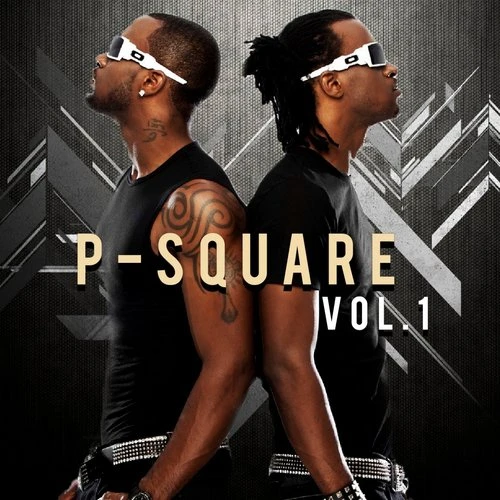
The true cost of the P-Square breakup extends far beyond frozen corporate bank accounts and canceled stadium tours. It is a story of squandered global leverage and incinerated cultural capital.
Financially, P-Square at their peak commanded the highest booking fees on the continent. By splitting, they fractured their market value. While both Mr. P and Rudeboy have found moderate solo success, streaming millions of views and securing respectable bookings, neither has replicated the absolute, gravitational pull of the unified P-Square brand. This phenomenon perfectly demonstrates why viral songs alone do not guarantee sustained success compared to a cohesive, decades-long brand strategy.
Their split is a brutal textbook case study for aspiring artists on the importance of structuring a sustainable music business plan. It highlights exactly why you must invest in your music career strategically and ruthlessly lock in a long-term music career strategy. You cannot build a durable empire on verbal agreements, handshakes, and assumptions of family loyalty. Clear contracts, defined roles, independent legal representation, and transparent royalty splits are non-negotiable.
Furthermore, the public feud accelerated managing community decay when partnerships stall. The continuous, exhausting bickering drained the immense goodwill they had built up over twenty years. It destroyed the illusion of their synergy, an essential element of fostering team cohesion and shared alignment. Just like famous historical splits—think Oasis or The Beatles—the creative tension that made them great eventually made them deeply incompatible. But unlike those bands, the P-Square split was fatally entangled in immediate family structures, making the fallout exponentially more toxic. Examining what happened to P-Square reveals how fragile even the most successful family business models can be.
Take Your Game Nights to the Next Level
Muzingo is a fun game where players listen to music tracks and match them to bingo cards — competing to win prizes with friends.
Play Muzingo FreeNo Card Required
Could P-Square Ever Return?
Given the history of their disputes, is a final, lasting P-Square reunion possible? The realistic, unsentimental answer is complex.
We have seen them pull back from the brink before. The 2021 P-Square reunion proved that the brothers are capable of putting aside their differences for the sake of their fans, their family, and, undeniably, massive financial incentives. However, the rapidity and vicious severity of the subsequent 2024/2026 fallout suggest that the underlying structural issues—specifically regarding financial transparency, corporate control, and mutual respect for contributions—were never actually resolved. They were merely temporarily ignored.
For a true, sustainable P-Square reunion to occur, it would require a total demolition and reconstruction of their business apparatus. They would need fiercely independent management, ironclad legal agreements drafted by neutral parties, and a profound level of professional and psychological mediation. While fans stubbornly hold onto hope when wondering what happened to P-Square and if they will return, the current legal entanglements and EFCC petitions make an imminent comeback highly unlikely. We can hope for reconciliation as brothers, but a return as a functioning, trusting musical enterprise seems a distant, faded dream.
Conclusion
Long after what happened to P-Square fades into history, and long after the cease-and-desist letters vanish into legal archives, people will still sing No One Like You at weddings. They will still sweat through the choreography of Personally at house parties, and they will still smile uncontrollably when Do Me comes through the speakers of a crowded bar.
That is the real legacy of P-Square. Not the arguments. Not the court cases. It is the music that stayed with us, carrying memories from one generation to the next. Millions of people can hear the same opening notes and remember growing up at exactly the same time.
And if reading this story has taken you back to those years, go back to the music.
We put together a P-Square playlist on Muzingo featuring the songs that made this era unforgettable. Put it on with the people who remember them with you, and see who still knows every intro, chorus, dance break, and classic verse.
Listen to the P-Square playlist on Muzingo and turn the nostalgia into an interactive music game while the songs are still fresh in your head.
FAQ
Why did P-Square break up?
P-Square broke up primarily due to irreconcilable differences over financial transparency, management structures, and creative control. When examining what happened to P-Square, disagreements over royalty distribution and the involvement of their manager and older brother, Jude Okoye, escalated into public feuds and legal disputes.
Who owns P-Square’s music?
The master rights to P-Square’s early catalog are largely controlled by Square Records, the label managed by Jude Okoye. However, publishing and songwriting splits are subject to the specific contracts and ongoing legal disputes between Peter, Paul, and Jude when people ask what happened to P-Square’s publishing rights.
Who is older between Peter and Paul?
Peter and Paul Okoye are twins. However, Peter is traditionally recognized as the older twin by a few minutes.
What role did Jude Okoye play?
Jude Okoye was the older brother, manager, and director for P-Square. He founded Square Records and Northside Entertainment, overseeing their business dealings, negotiating contracts, and directing the majority of their highly successful music videos during the years before what happened to P-Square unfolded.
Will P-Square reunite?
While they previously reunited in 2021 after a 2017 split, understanding what happened to P-Square through their recent and severe public fallout involving financial crime petitions makes another musical reunion highly unlikely in the near future, barring significant legal and personal mediation.