



The Addison Rae brand did not collapse under scrutiny. It evolved.
At the height of TikTok’s cultural dominance, Addison Rae became one of the most recognizable faces on the internet. Massive visibility arrived early, but credibility did not arrive at the same speed. That gap between attention and trust is where many modern artists stall. What makes Addison Rae’s story instructive is not the backlash, but the methodical way her brand repositioned itself over time.
This article breaks down how the Addison Rae brand shifted from viral familiarity into pop legitimacy, and why the sequence mattered more than the spotlight.
RELATED BLOG POST
- HOW MUSIC TRENDS HAVE EVOLVED IN THE LAST DECADE
- A DEEP DIVE INTO MUSIC CULTURE: WHAT IT IS
- BURNA BOY: THE STORY OF AFRICA’S GIANT
- WHAT IS MUSIC BINGO?
The Original Addison Rae Brand and Its Limits
The early Addison Rae brand was built on speed. Short-form dance videos. Algorithmic repetition. Relentless exposure. That model creates recognition, but it rarely creates artistic authority.
Viral fame rewards immediacy, not depth. Platforms prioritize consistency over craft. As explored in how music trends have evolved in the last decade, the attention economy favors momentum, while music credibility still depends on patience, cohesion, and context.
This mismatch created a ceiling. Addison Rae was everywhere, but not yet anchored in music culture.
What made this ceiling especially rigid was audience expectation lock-in. Once an artist is mentally categorized, every new output is filtered through that initial impression. Early music releases were evaluated less on their merit and more on their source. This is a structural problem, not a personal one, and it affects nearly every creator who crosses over from social platforms into traditional music spaces.
In this phase, the Addison Rae brand was overexposed but underdefined. The brand had reach without narrative and familiarity without depth. That imbalance made repositioning harder, but also made it necessary.

Why the Addison Rae Brand Needed Repositioning
Audiences are more discerning than algorithms assume. Visibility alone no longer convinces listeners to take an artist seriously. Music culture operates on shared codes, genre fluency, and trust built over time.
Understanding what music culture actually is explains why the Addison Rae brand had to change course. Culture rewards alignment, not just popularity. Without a shift in presentation, collaborators, and output structure, Addison Rae risked being permanently categorized as an influencer experimenting with music rather than an artist building a career.
Repositioning was not optional. It was structural.
This moment represents the fork most artists never survive. One path leads to louder promotion and defensive explanations. The other leads to silence, recalibration, and controlled re-entry. The Addison Rae brand chose the second path.
Instead of fighting skepticism directly, the repositioning strategy allowed time, visuals, and music quality to do the persuasive work. This lowered resistance and invited reevaluation without demanding it.
The Strategic Shifts That Redefined the Addison Rae Brand
Music as the Primary Credibility Signal
The most important change was prioritization. Music stopped being an accessory and became the core signal. Singles were no longer novelty moments. Releases became intentional, paced, and supported by stronger production choices.
This mirrors a pattern seen in artists who successfully cross credibility thresholds. Compare that trajectory with the long-term arc explored in Burna Boy: The Story of Africa’s Giant, where consistency and cultural grounding built authority gradually rather than instantly.
By slowing down output and tightening quality control, the Addison Rae brand began signaling commitment rather than experimentation.
Visual Aesthetic and Fashion Alignment
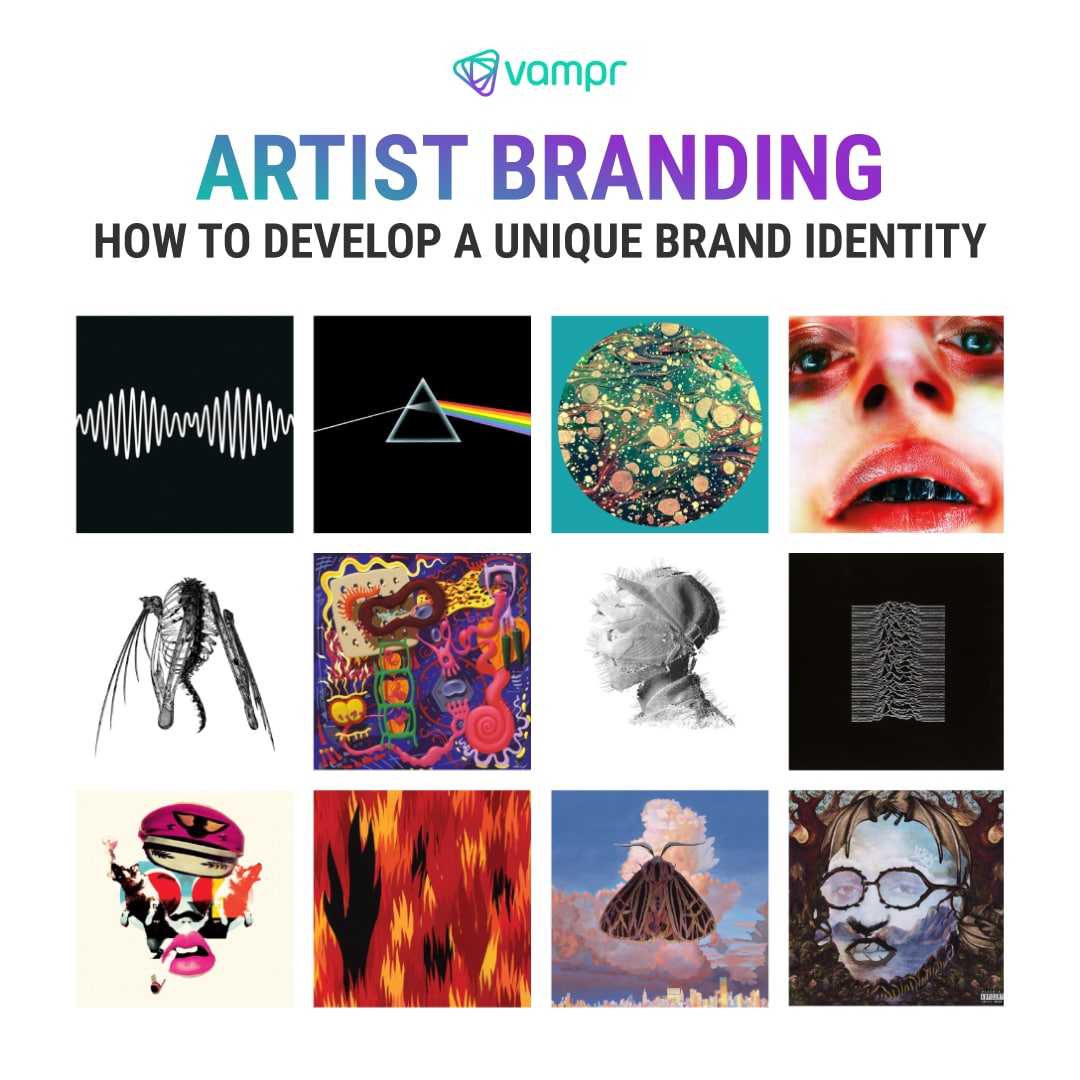
Repositioning is visual before it is verbal. Styling, cover art, music videos, and public appearances aligned into a cohesive aesthetic. This was not about luxury signaling. It was about coherence.
Audiences read visuals faster than press statements. When image, sound, and tone reinforce each other, skepticism softens.
Beyond fashion, the visual shift communicated intent. Editorial shoots replaced casual influencer imagery. Music visuals leaned into mood rather than novelty. These choices subtly trained audiences on how to interpret the music itself.
Take Your Game Nights to the Next Level
Muzingo is a fun game where players listen to music tracks and match them to bingo cards — competing to win prizes with friends.
Play Muzingo FreeNo Card Required


Consistency here mattered more than spectacle. Every appearance reinforced the same story, allowing audiences to recalibrate their expectations without being forced.
Collaborations, Labels, and Institutional Trust
Credibility transfers through proximity. Strategic collaborators, label backing, and industry platforms acted as external validators. Institutional recognition functions as shorthand for seriousness.
Moments tied to awards and industry rituals matter because they anchor artists within the ecosystem. Cultural moments like those surrounding the Grammys shape discovery cycles, which is why contextual experiences such as hosting a Grammy Awards music bingo party resonate with audiences during peak music conversation periods.
These moments are not about trophies. They are about cultural permission.
Addison Merch and Monetization as Brand Signals
Merchandise is often misunderstood. For developing artists, merch is not primarily about revenue. It is about identity reinforcement.
The evolution of Addison merch followed her musical repositioning. Products became music-adjacent rather than influencer novelty items. Vinyl, apparel tied to releases, and cohesive design language signaled commitment to an artist lifecycle, not just a personality brand.
Merch told the same story the music was telling. When physical products align with sonic identity, fans perceive longevity.
The Addison Rae Network Effect
No artist evolves alone. Platforms, collaborators, audiences, and cultural rituals form a network that either supports credibility or undermines it.
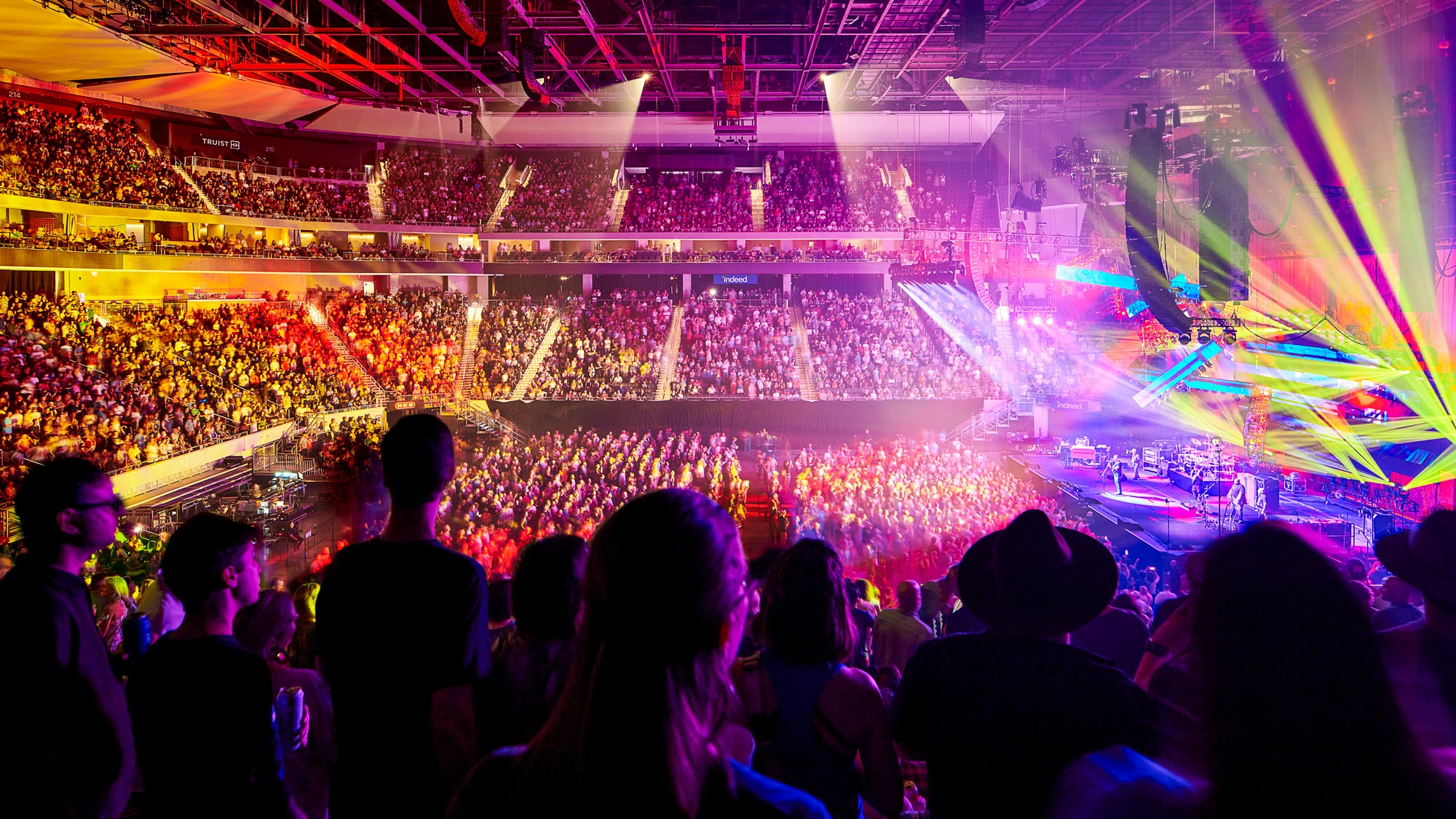
Modern music brands thrive when listeners participate rather than passively consume. Interactive experiences strengthen emotional connection, as seen in how interactive music games bring groups together. These shared moments reinforce belonging, which is the quiet engine behind loyalty.
Understanding participation is also why foundational concepts like what music bingo is matter. Music does cultural work when it becomes communal.


What Artists Can Learn From the Addison Rae Brand Rebuild
The Addison Rae brand demonstrates a repeatable truth. Repositioning works when it follows order.
First, slow the output.
Second, align aesthetics.
Third, borrow credibility carefully.
Fourth, let music lead.
Attention arrives fast. Trust arrives last.
Artists who understand this sequence stop chasing perception and start shaping it.
Experience Music as a Shared Cultural Moment
With Muzingo, turn music from background noise into participation.
Play a free music bingo game and see how shared listening builds stronger audience connection.
FAQ
Is Addison Rae considered a serious pop artist now?
Industry recognition, cohesive releases, and cultural alignment have repositioned the Addison Rae brand beyond influencer novelty into legitimate pop territory.
Why did Addison Rae’s early music face skepticism?
Her initial fame came from short-form content, which created audience expectations that did not immediately align with music credibility norms.
Can other artists replicate this repositioning strategy?
Yes. The principles are transferable: pacing, aesthetic coherence, strategic collaboration, and participation-driven engagement.