

Many people say they want to discover new music, yet most of what they hear feels forgettable. You skip, you scroll, you sample, but nothing sticks. The problem is not that good music is scarce. The problem is that discovery has become passive. Algorithms guess. Trends shout. Your actual taste stays quiet.
If you have ever asked yourself how do you discover new music that truly feels like you, this guide is for you. Music discovery works best when it starts with understanding your listening patterns, not chasing what is popular. When discovery becomes intentional, new music stops sounding random and starts feeling personal.
RELATED BLOG POST
- A DEEP DIVE INTO MUSIC CULTURE: WHAT IT IS
- HOW MUSIC TRENDS HAVE EVOLVED IN THE LAST DECADE
- HOW INTERACTIVE MUSIC GAMES BRING GROUPS TOGETHER
- CREATING MUSIC BINGO PLAYLISTS WITH MUZINGO

Why Discovering New Music Feels So Hard Today
Music platforms give you access to millions of songs, yet choice overload often kills curiosity. When everything is available, nothing feels special. Recommendation systems prioritize similarity and popularity, which narrows exploration instead of expanding it.
To discover new music that matches your taste, you need to step outside endless auto-play loops. Discovery improves when you treat listening as an active practice rather than background noise.
Music taste is shaped by memory, mood, environment, and social context. Ignoring those factors leads to recommendations that technically fit your genre history but emotionally miss the mark.
If you want to audit and clean your listening data, do the following
- Download your streaming history. On Spotify: Account Settings → Privacy Settings → “Download your data” (arrives via email in 3-5 days). On Apple Music: Settings → Privacy → “Get a copy of your data.”
- Review the past 30 days. Look for songs you don’t remember actively choosing. These are algorithmic dead weight.
- Create a “Training Mode” session. For one week, only play music during active listening (no background mode). Immediately skip or hide anything that doesn’t resonate within 30 seconds. This resets your taste profile with intentional data.
- Use private sessions strategically. When playing music for others or as background ambiance, enable Private Session (Spotify: Settings → Social → “Private session”). This prevents non-representative listening from affecting your recommendations.
To discover new music that matches your taste, you need to step outside endless auto-play loops. Discovery improves when you treat listening as an active practice rather than background noise.
Music taste is shaped by memory, mood, environment, and social context. Ignoring those factors leads to recommendations that technically fit your genre history but emotionally miss the mark.
Understand Your Listening Patterns Before You Discover New Music

Before searching for new sounds, pause and observe how you already listen. This step alone improves discovery quality more than hopping between multiple music websites.
Ask yourself simple questions:
- What moods do I return to most often?
- Do I prefer lyrics or production?
- Do I listen differently when alone versus with friends?
When you understand these patterns, it becomes easier to discover new music that aligns with your emotional and situational needs instead of just your genre labels.
If you are still confused, this is a practical song pattern analysis that could help.
- Open your streaming app and list your last 20 saved songs (not just liked—saved to library or playlists).
- Group them by three dimensions:
- Mood: Energizing, calming, melancholic, intense, playful
- Tempo: Fast (>120 BPM), medium (90-120), slow (<90)
- Era: Current (past 2 years), recent (2-10 years ago), classic (10+ years)
- Identify the two dominant patterns. For example: “80% calming + slow” or “70% energizing + recent.”
When you understand these patterns, it becomes easier to discover new music that aligns with your emotional and situational needs instead of just your genre labels.
Smarter Ways to Discover New Music Online
Use Streaming Platforms Intentionally

Streaming platforms are powerful tools, but only when used deliberately. Instead of letting playlists run endlessly, interact with them. Save songs you genuinely like. Remove ones that feel off. This feedback loop improves future recommendations.
When learning how to discover new music on Spotify, for example, personalized playlists work best when your listening history is curated, not cluttered. Discovery thrives on clarity.
Check out the top three Best Discovery Features of Spotify and how to Use Each):
1. Discover Weekly (Mondays)
It is an update of 30 personalized songs released every Monday based on your listening history and similar users. You can use it to find artists adjacent to your current taste
- To use it effectively:
- Listen on Monday or Tuesday when it’s fresh (old Discover Weeklies expire)
- Save the entire playlist to your library, then delete songs as you eliminate them during the week
- Like or save at least 5-10 songs per week to train future recommendations
- If a song connects, immediately click “Go to Artist Radio” to explore similar sounds while the mood is right
2. Release Radar (Fridays)
This feature shows you new releases from artists you follow or frequently play. It is best for staying current with artists you already love, except you are unlucky to have artists who ghost every 3 years like “she whom shan’t be named”
Follow artists intentionally (not just liking songs) because every “Follow” tells Spotify you want updates from that artist.
3. Song Radio (On-Demand)
It is an Algorithm-generated radio based on a single track and best for deep diving into micro-genres and production styles
- How to use it:
- Right-click (or tap three dots) on any song → “Go to Song Radio”
- Critical tactic: Use deep album cuts (tracks 6-10), not singles. Singles generate mainstream recommendations. Deep cuts surface similar artists based on production style and mood over popularity.
- Save only 2-3 tracks per session that match the exact emotional tone you’re seeking
- Delete or skip aggressively—specificity trains better recommendations than passive listening
Explore Music Websites Built for Discovery
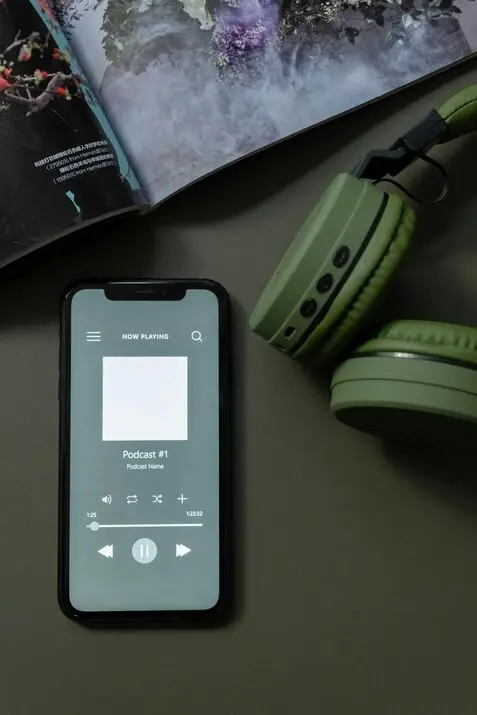
Beyond streaming apps, dedicated music websites offer editorial depth and cultural context that algorithms cannot replicate. These platforms help listeners understand why music sounds the way it does and where it comes from.
Take Your Game Nights to the Next Level
Muzingo is a fun game where players listen to music tracks and match them to bingo cards — competing to win prizes with friends.
Play Muzingo FreeNo Card Required
Some of these websites include bandcamp to deeply explore genres and independent artistes, rate your music, and pitchfork
Exploring these reliable sites to discover new music exposes you to genres, scenes, and artists you might never encounter through automated recommendations alone. This kind of discovery feels slower, but it is often more rewarding.
One way to deepen this understanding is by exploring what music culture really means and how it shapes taste over time.
Discover New Music Through Culture and Change
Music does not exist in a vacuum. It evolves alongside society, technology, and collective emotion. Understanding these shifts helps listeners contextualize new sounds instead of dismissing them as unfamiliar.
Learning how music trends have evolved over the last decade can reframe your expectations and open your ears to styles you might otherwise overlook.
When you understand change, discovery feels less like a gamble and more like exploration.

Social Listening: A Forgotten Way to Discover New Music
Some of the best music discoveries happen accidentally, through people. Group settings reveal preferences you might not notice alone. When music becomes shared, taste becomes visible.
Games, listening parties, and collaborative playlists create moments where discovery feels playful instead of forced. These environments help you discover new music organically, without pressure or overthinking.
Interactive formats also surface unexpected favorites. A song you might skip alone can feel electric when experienced collectively. Social listening reminds us that music is a shared language.
You can see this clearly in how interactive music games bring groups together through sound and play.
Turn Music Discovery Into a Habit
Discovery works best when it is structured. Create small systems:
- Save new finds in a separate playlist.
- Revisit them weekly.
- Remove what no longer resonates.
This process turns discovery into refinement. Over time, your taste becomes clearer, and finding new music becomes easier.
Tools that support intentional playlist creation and curation can help reinforce this habit and make discovery more purposeful.
Conclusion
To discover new music that actually matches your taste, you must slow down, observe your listening patterns, and choose discovery paths that respect your identity. Algorithms can assist, but they cannot replace intention, culture, and shared experience.
When discovery becomes active, music stops feeling random. It starts feeling like home.
If you want to explore music in a more interactive and revealing way, experience discovery through play and shared listening moments on Muzingo.
You can also explore the platform directly via Muzingo’s main site or join a game here.
FAQ
How do you discover new music without relying only on algorithms?
By combining intentional listening habits, curated music websites, and social experiences like games or group playlists instead of passive auto-play.
What are the best sites to discover new music?
The best sites to discover new music are platforms that provide cultural context, playlists, and discovery tools rather than just charts or trends.
Is Spotify enough to discover new music?
Spotify helps, but discovery improves when you actively interact with playlists and combine streaming with external music websites and social listening.
Why does new music sometimes feel boring?
Because discovery becomes passive. When recommendations ignore mood, context, and memory, music may match your genre history but not your emotional taste.
Can games really help with music discovery?
Yes. Interactive music games reveal preferences naturally and often surface songs you would not choose intentionally but end up loving.