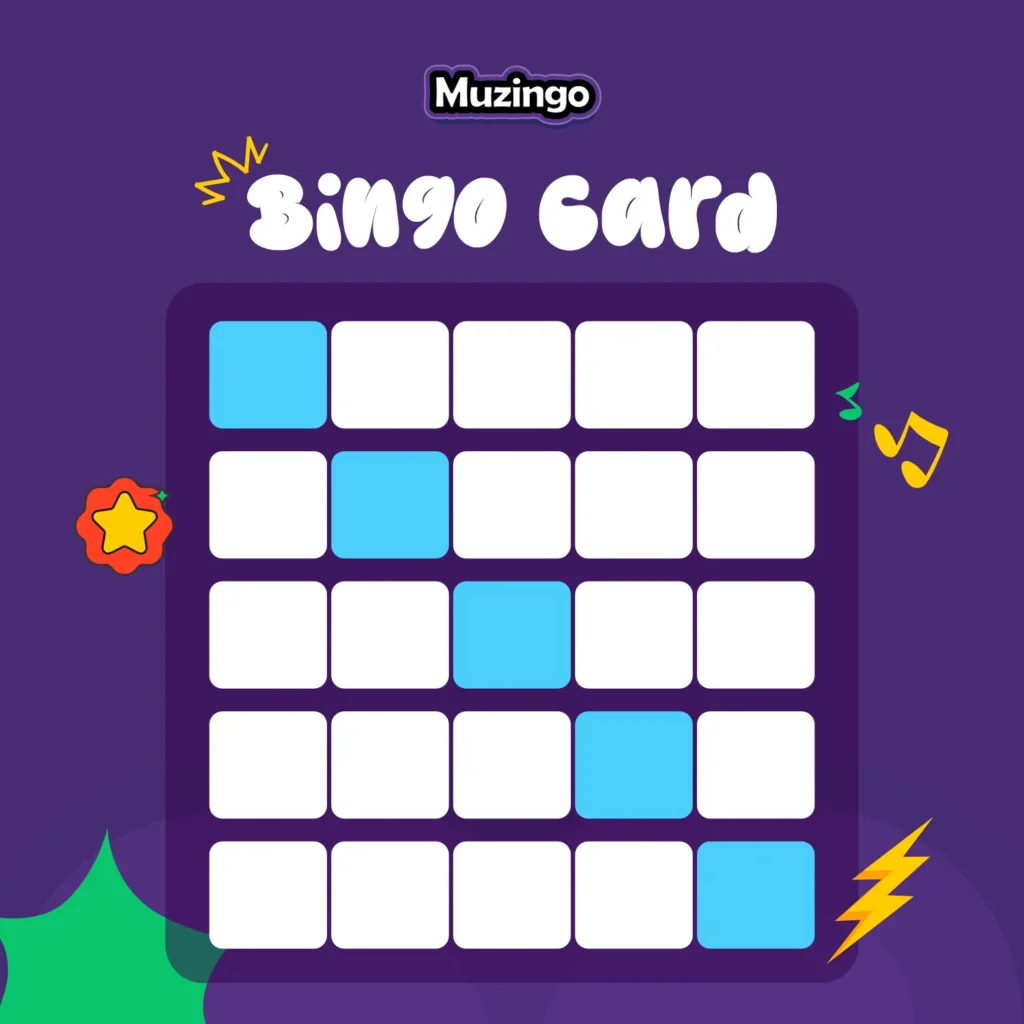


Easter egg hunts are fun, but they usually end faster than anyone expects. Kids rush around the garden, collect every egg in sight, and within minutes the excitement is over.
That is why many teachers, parents, and party hosts are starting to add a twist to the classic hunt.
Instead of filling eggs only with candy, they hide song clues inside Easter eggs. Once the eggs are found, the real game begins. Players listen to short song clips and try to match the music with the clue inside their egg.
Suddenly the egg hunt lasts longer, everyone participates, and the room fills with laughter when someone recognizes a familiar tune.
Music turns a simple hunt into a shared experience.
RELATED BLOG POST
• WHAT IS MUSIC BINGO?
• MUSIC BINGO RULES
• HOW TO HOST A MUSIC BINGO NIGHT UNFORGETTABLE
• CREATING MUSIC BINGO PLAYLISTS WITH MUZINGO
Why Easter Egg Hunts Are Perfect for Music Games

Image Credit: Robert Anasch – Unsplash
Easter eggs naturally create curiosity. Every egg holds a surprise. That simple idea is what makes them perfect for games.
Music adds another layer of excitement because people instantly recognize songs they already know. A familiar melody can trigger memories within seconds.
Imagine a classroom Easter activity where students find eggs hidden around the room. Inside each egg is the name of a song. The teacher plays short clips from a playlist, and students raise their egg when they hear the matching song.
At a family Easter party, eggs might contain lyric clues instead of titles. Someone reads the clue aloud and everyone tries to guess the song before the clip finishes playing.
Even small gatherings become more energetic when music is involved. Researchers who study music and memory often note that familiar songs activate emotional recall, which helps people feel connected to the moment. That is one reason group games built around music often create strong shared memories.
If you want to explore the idea further, you can read about why music bingo works as a social game and how it helps groups engage with each other.
How to Hide Song Clues Inside Easter Eggs

Image Credit: Tim Gouw – Unsplash
Creating clues for an Easter egg music game is surprisingly simple.
Most hosts start by writing small hints on pieces of paper and placing them inside the eggs.
Some clues are straightforward. A slip of paper might simply contain the title of a well-known song. When the music clip plays, players check whether it matches the title inside their egg.
Other clues are more playful. Instead of the title, you can include a line from the lyrics. When the music begins, players must recognize the song and connect it with the lyric.
Artist clues also work well. A piece of paper might say “Beyoncé” or “Ed Sheeran,” and players must identify which song from that artist is playing.
Many hosts also add color to the eggs to make the game more interesting. Yellow eggs might contain easy clues for younger players. Blue eggs could include slightly harder lyric hints. Red eggs might contain tricky artist clues meant for adults.
That small variation keeps the game balanced so everyone has a chance to participate.
Hosts planning larger events often combine this idea with structured formats explained in how to host a music bingo night.
Creating a Music Trivia Easter Egg Hunt

Image Credit: Priscilla Du Preez – Unsplash
Turning Easter eggs into a music trivia game only takes a little preparation.
Start by hiding eggs around the space just like a traditional Easter hunt. Gardens, classrooms, living rooms, and parks all work well.
Take Your Game Nights to the Next Level
Muzingo is a fun game where players listen to music tracks and match them to bingo cards — competing to win prizes with friends.
Play Muzingo FreeNo Card Required
After the hunt, gather everyone together and begin playing short song clips from a prepared playlist.
Each player checks the clue inside their egg. If the music matches the clue, they score a point.
Families often turn this into a friendly competition. Teams can compete to identify the most songs, or players can race to be the first person to recognize the track.
Teachers sometimes adapt the game for educational settings. For example, younger students might match songs to emotions, while older students identify genres or decades.
Party planners frequently combine music trivia with bingo-style gameplay, which is explained clearly in what music bingo is and how it works.
Using Muzingo to Run a Music Game Easily
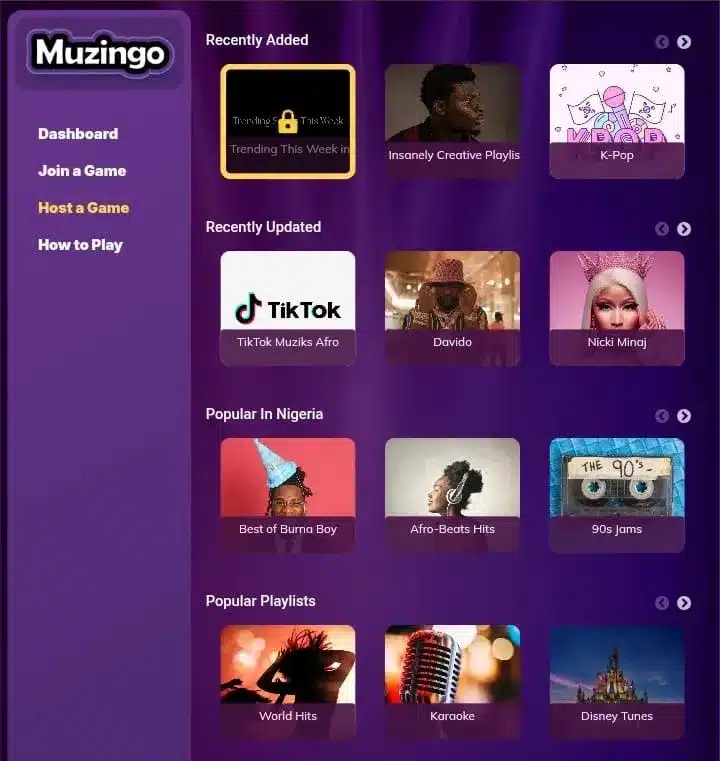
Muzingo is an online music bingo game that replaces traditional bingo numbers with song titles.
Each player receives a digital card filled with song titles instead of numbers. The host plays song clips, and players mark the songs on their cards when they recognize them. When five songs align on the card, the player presses the Muzingo button to claim the win.
Because the cards are generated automatically, every player receives a unique board. This keeps the game fair and prevents duplicate wins.
Teachers, party planners, and event hosts often use tools like music bingo software to simplify the process. The platform handles card generation, music playback, and score tracking.
You can also learn more about the platform itself by visiting the Muzingo project overview.
Song Ideas for Your Easter Egg Music Hunt

Image Credit: William Iven – Unsplash
Choosing the right songs makes the game far more enjoyable.
Most hosts mix different eras and genres so everyone hears something familiar.
For younger players, upbeat pop songs and animated movie soundtracks work well. Families often include nostalgic hits from the early 2000s because many adults instantly recognize them.
Teachers sometimes select songs connected to classroom themes or holidays. Party hosts might create playlists centered around dance music or throwback hits.
Curated playlists can make the process easier. For example, you can browse collections like Afrobeats playlists perfect for game nights to find tracks that keep energy high.
The key is variety. When players suddenly recognize a song they love, the room instantly comes alive.
Conclusion
Easter eggs have always represented surprise and discovery. When music enters the picture, the experience becomes much richer.
Instead of a quick race to gather candy, the hunt transforms into a lively music trivia challenge where everyone listens, laughs, and competes together.
Teachers gain an engaging classroom activity. Families create stronger shared memories. Event hosts discover a game that keeps guests involved long after the eggs are found.
Start your own Easter eggs music game and turn the hunt into a full music experience with Muzingo.
FAQ
What is an Easter eggs music trivia game?
An Easter eggs music trivia game combines a traditional egg hunt with music recognition. Players find eggs containing song clues and match them with songs played during the game.
How many songs should be in an Easter music game?
Most games work best with 15 to 30 songs. This length keeps the activity engaging without making it too long for younger players.
Can teachers use Easter music games in the classroom?
Yes. Teachers often use music games to encourage participation, improve listening skills, and create a more energetic learning environment.
Do you need special software to run the game?
Small groups can play using a simple playlist. Larger events often use music bingo platforms that generate cards and manage gameplay automatically.