
Game badges keep players engaged because visible progress, streak preservation, and recognition rewards activate emotional memory and competitive motivation simultaneously. Music games intensify this effect by combining rapid song recognition, social validation, and reward anticipation into one high-frequency feedback loop.

Image Credit: JESHOOTS.COM / Unsplash
A player misses one day of gameplay and suddenly loses a 14-day streak they spent two weeks building. The emotional reaction feels strangely intense for something digital. That reaction is not accidental.
Modern music games are designed around behavioral reinforcement systems that make progress feel personal. When a player unlocks a badge, protects a streak, or beats friends in recognition speed, the brain starts treating those wins as emotionally meaningful experiences rather than simple game mechanics.
According to research discussed by the American Psychological Association, unfinished goals create persistent cognitive tension. In music games, that tension appears through incomplete badge collections, nearly finished streak milestones, and visible progress systems players feel compelled to complete.
Platforms like Muzingo turn that psychology into social gameplay. Instead of passive listening, players actively identify songs under pressure, compete against friends, and build visible achievement histories tied to their music identity.
RELATED BLOG POST
- WHAT IS MUSIC BINGO?
- HOW INTERACTIVE MUSIC GAMES BRING GROUPS TOGETHER
- THE SCIENCE BEHIND WHY OLD SONGS MAKES US HAPPY
- PLAY MUSIC BINGO FOR FREE
Why Do Game Badges Feel So Rewarding?
Game badges feel rewarding because they make progress visible while signaling identity, competence, and recognition to other players. The brain responds strongly to visible achievement systems because they transform abstract progress into concrete social proof.
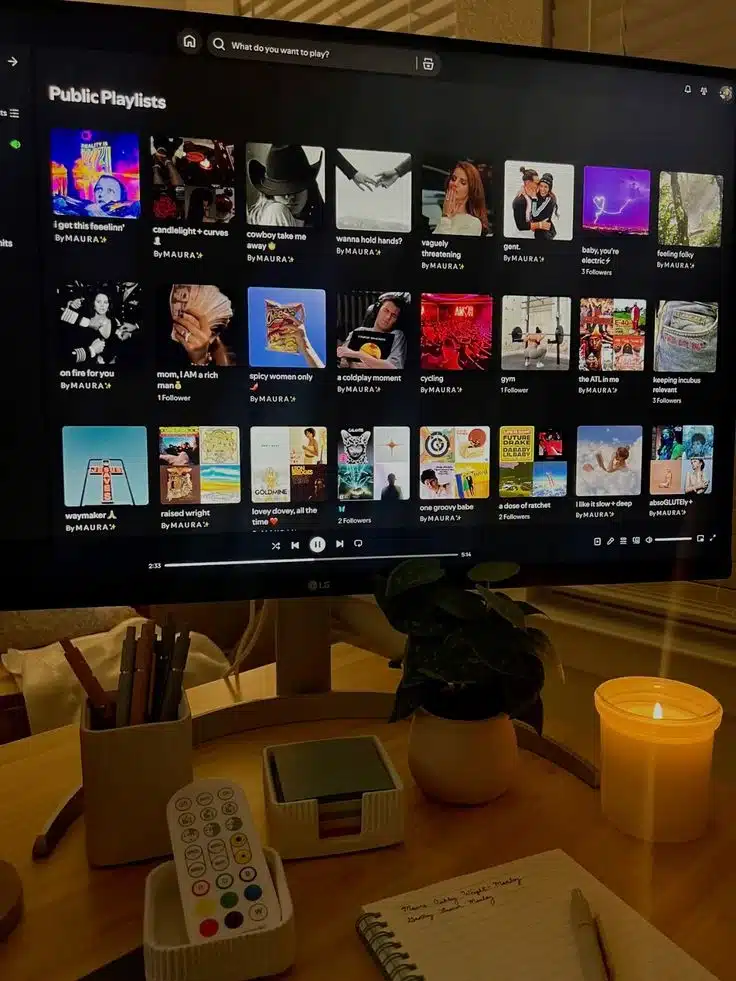
A “90s R&B Master” badge means more than a generic level-up notification. That badge communicates taste, nostalgia fluency, and cultural memory. In music games, recognition rewards become identity signals players emotionally attach to over time.
Platforms like Steam use visible gaming badges to strengthen player engagement by turning achievements into collectible status markers. The same psychology appears in music games when players unlock genre-specific recognition titles tied to speed, memory, or consistency.
Music identity increases the emotional power of achievement systems because songs already carry emotional memory. Research from Spotify shows listeners strongly connect music history with self-expression and social identity. A badge tied to favorite genres feels personal in ways generic rewards rarely do.
A player who repeatedly wins Afrobeats recognition rounds does not just feel skilled. The player begins identifying as someone with elite music knowledge. That emotional ownership increases long-term player retention.
Game badges also create visible proof of consistency inside competitive environments. Unlike hidden progression systems, game badges allow players to display recognition achievements publicly, which increases emotional attachment to the experience. In music games, a rare game badge often becomes part of how players describe their taste, memory speed, or genre expertise
Muzingo strengthens this dynamic by combining recognition speed with social competition. Players receive unique bingo cards filled with song titles while hosts play short music clips. As players identify songs and complete aligned patterns, achievement systems become tied directly to emotional memory and competitive performance.
How Do Streak Systems Keep Players Coming Back?
Streak systems increase player retention by making progress feel emotionally expensive to lose. Once players invest time into maintaining consistency, missing a day creates psychological discomfort that encourages return behavior.

Image Credit: ELLA DON / Unsplash
Language-learning platform Duolingo openly builds engagement around streak preservation because users become emotionally attached to visible consistency records. Music games apply the same principle through daily competitions, recognition challenges, and reward milestones.
Several psychological systems work together inside streak mechanics:
- Loss aversion increases fear of reset
- Visible progress creates emotional ownership
- Incomplete milestones generate cognitive tension
- Daily rewards reinforce routine participation
- Social rankings strengthen accountability
A player with a 14-day music streak often prioritizes protecting it even during busy schedules. The accumulated streak starts feeling earned, personal, and emotionally valuable.
This behavior reflects the Zeigarnik Effect described by the American Psychological Association. The brain remembers unfinished progress more intensely than completed tasks. Greyed-out badges, incomplete reward boards, and visible streak counters create open loops players instinctively want to close.
Music games intensify this effect because recognition happens rapidly. A player may identify four songs correctly in a row, miss the fifth by seconds, and immediately feel motivated to try again. The unfinished sequence becomes psychologically sticky.
Competitive streak systems also transform gameplay into habit loops. Returning daily no longer feels optional because maintaining continuity becomes part of the player’s self-image.
Many modern gaming badges are intentionally connected to streak systems because recurring participation strengthens emotional investment. A player chasing a difficult game badge often returns repeatedly to preserve momentum, complete unfinished challenges, or maintain visible progress against competitors.
Players exploring how to play music bingo online often discover that repeated recognition challenges naturally encourage replay behavior without requiring aggressive monetization systems.
Why Do Music Games Intensify Reward Loops?
Music games intensify reward loops with game badges because songs activate emotional memory, recognition speed, and anticipation simultaneously. The brain processes music emotionally before conscious analysis fully occurs, which makes recognition-based gameplay feel unusually immersive.
Passive listening creates background enjoyment. Competitive music games create active cognitive participation.
When a player hears the opening seconds of a familiar song, several processes happen instantly:
- memory retrieval
- emotional association
- prediction activation
- competitive urgency
- reward anticipation
That layered reaction creates stronger behavioral reinforcement than many traditional game loops.
Research discussed by the Cleveland Clinic explains that dopamine spikes more strongly during anticipation than after reward completion. Music recognition naturally amplifies anticipation because players often recognize songs milliseconds before confirmation.
A fast music round creates multiple overlapping tension systems:
- countdown pressure
- social comparison
- recognition uncertainty
- streak preservation
- reward proximity
That combination produces rapid emotional cycling inside short gameplay sessions.
Music also activates autobiographical memory. An old party anthem or childhood soundtrack can instantly trigger vivid emotional recall. Articles like The Science Behind Why Old Songs Makes Us Happy demonstrate how nostalgia strengthens emotional engagement through memory association.
Muzingo transforms those emotional reactions into competitive interaction. Players are not simply listening to songs. They are racing to recognize them faster than everyone else.
What Happens in Your Brain During Competitive Music Games?
Competitive music games trigger dopamine anticipation, prediction satisfaction, and rapid feedback reinforcement. The brain becomes highly engaged when rewards arrive unpredictably but remain achievable.
Behavioral design researcher Nir Eyal explains that variable reinforcement systems strengthen habit formation because uncertainty increases anticipation. Music games naturally produce that uncertainty during recognition-based competition.
A player may instantly recognize one track while struggling with the next. That inconsistency keeps attention levels elevated because the brain continuously predicts possible reward outcomes.

Image Credit: Helena Lopes / Unsplash
Competitive music rounds create unusually fast feedback loops:
- hear song
- predict answer
- confirm recognition
- receive reward
- compare results
- continue playing
The emotional payoff arrives within seconds rather than minutes.
This speed matters because immediate feedback strengthens behavioral reinforcement more effectively than delayed rewards. A player who recognizes a difficult song just before competitors experiences prediction satisfaction combined with social victory.
Platforms like Eventbrite also highlight how gamified social environments increase participation rates by turning passive audiences into active participants. Music games push this even further because players emotionally connect with the content itself.
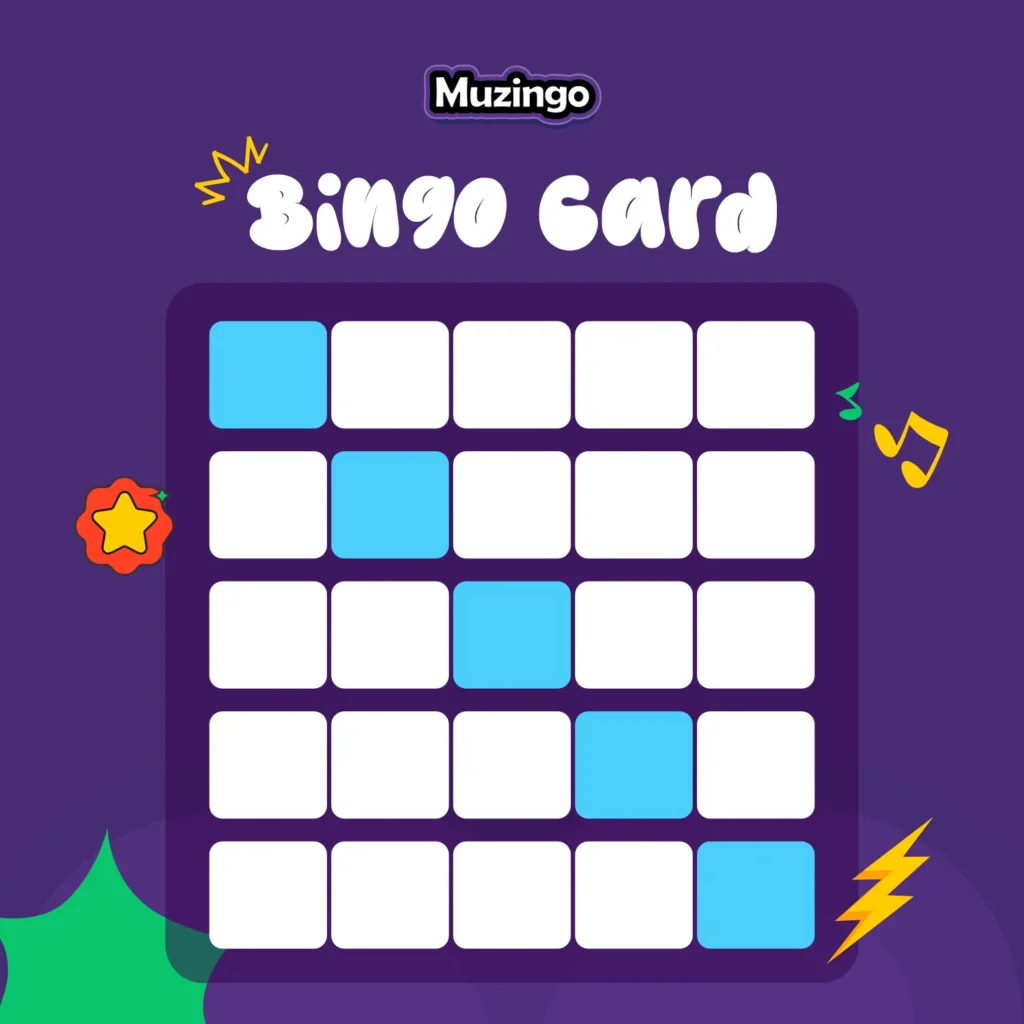
Muzingo adds additional pressure through multiplayer interaction. Hosts play short song clips while players match them to titles on personalized bingo cards. Once five aligned tiles connect, players trigger the Muzingo button before competitors react.
Take Your Game Nights to the Next Level
Muzingo is a fun game where players listen to music tracks and match them to bingo cards — competing to win prizes with friends.
Play Muzingo FreeNo Card Required
That moment combines:
- anticipation
- urgency
- recognition speed
- competition
- emotional familiarity
The result feels intensely rewarding because multiple psychological systems activate together.
If you want to experience how fast recognition pressure changes ordinary listening behavior, play a live music bingo game and test how quickly your brain responds under competitive conditions.
Why Do Players Become Obsessed With Preserving Streaks?
Players become obsessed with preserving streaks because visible progress creates emotional ownership. Once consistency becomes measurable, losing that progress feels psychologically painful.
This behavior reflects loss aversion. Humans typically react more strongly to losing progress than gaining equivalent rewards.
A player protecting a 21-day music streak often feels increasing pressure as the streak grows longer. Early participation feels casual. Later participation feels necessary.
Visible streak systems create several emotional effects:
- progress attachment
- consistency identity
- completion pressure
- social accountability
- sunk-cost reinforcement
The longer the streak survives, the more emotionally valuable it becomes.
This is why incomplete badge systems work so effectively. A nearly completed achievement board creates cognitive tension that keeps resurfacing in memory long after gameplay ends.
Platforms using strong achievement systems rarely rely on one reward alone. Instead, they layer:
- streak counters
- milestone badges
- visual progress bars
- public rankings
- timed recognition systems
The player constantly sees unfinished progress everywhere.
Music games strengthen this dynamic because emotional memory already increases recall intensity. A player remembers not only unfinished achievements but also the songs attached to those moments.
That emotional layering makes streak preservation feel socially and psychologically meaningful rather than mechanically repetitive.
How Do Music Games Turn Competition Into Habit?
Music games turn competition into habit by repeatedly connecting recognition success with emotional reward and social validation. Over time, the brain starts expecting stimulation from the competitive loop itself.
Several systems reinforce this behavior repeatedly:
- Recognition rewards create fast emotional payoff
- Streak systems encourage daily consistency
- Social rankings increase competitive motivation
- Music nostalgia strengthens memory retention
- Achievement badges reinforce player identity
- Rapid feedback loops sustain engagement momentum
A player who repeatedly wins genre-specific rounds begins anticipating future success before gameplay even starts. That anticipation increases return probability.
Research from Harvard Business Review explains that gamification becomes more effective when rewards connect to identity and progress visibility rather than generic incentives alone.
Music competition naturally creates stronger identity reinforcement because genres often represent personality and social belonging. A player known for dominating 2000s pop rounds gains recognition inside the community itself.
Social gameplay environments also increase habit strength because participation becomes shared rather than isolated. Articles like How Interactive Music Games Bring Groups Together show how competitive music experiences create recurring social rituals among friends, teams, and communities.
Players often return because they want to preserve status, continue rivalries, or defend recognition earned during earlier rounds.
Can Achievement Systems Improve Memory and Recognition?
Achievement systems can improve memory and recognition by increasing repetition, emotional engagement, and active recall speed during gameplay. The brain remembers information more effectively when participation feels emotionally rewarding.
Music games train recognition differently from passive listening because players actively predict and identify songs under time pressure.
This process strengthens:
- auditory recall
- pattern recognition
- emotional association
- rapid retrieval speed
- genre familiarity
A player repeatedly exposed to recognition-based music challenges often begins identifying songs faster over time.
Competitive environments strengthen this effect because urgency increases attention levels. The brain processes information more intensely when immediate outcomes matter.
Music-based achievement systems also encourage repeated exposure. A player chasing a streak or badge willingly returns to similar recognition challenges multiple times, increasing familiarity with genres, artists, and sound patterns.
This creates a learning loop disguised as entertainment.
Platforms like Spotify already demonstrate how emotionally meaningful listening data increases user engagement. Music games push that concept further by attaching competition and achievement directly to recognition performance.
Muzingo turns recognition into interactive gameplay by giving players personalized bingo cards filled with song titles while hosts play clips in real time. The faster players connect memory with recognition, the stronger the competitive advantage becomes.
Players interested in improving recognition speed often explore how Muzingo works to understand how music bingo transforms ordinary listening into fast-paced competition.
Conclusion
Game badges and streak systems feel powerful because they connect progress with emotion, identity, and anticipation. Music games intensify those systems by turning familiar songs into competitive memory triggers that players emotionally invest in over time.
A visible streak is not just a number. A genre badge is not just decoration. These systems create recognition loops that combine nostalgia, prediction, social validation, and reward anticipation into repeatable engagement patterns.
That is why losing a streak feels frustrating. That is why nearly unlocked badges stay in memory. And that is why music games often feel more emotionally immersive than traditional reward systems.
Muzingo transforms those psychological mechanics into social gameplay where players compete through music recognition, rapid recall, and shared cultural memory rather than passive consumption alone.
Test your own music streaks, recognition speed, and competitive instincts by joining a live Muzingo music game.
FAQ
Why are streaks addictive in music games?
Streaks are addictive because players become emotionally attached to visible progress. Losing accumulated consistency feels psychologically painful, which increases return behavior and daily engagement.
What are game badges used for?
Game badges are used to reward achievement, display progress, and signal identity inside gaming environments. In music games, badges often reflect genre knowledge, recognition speed, or competitive success.
How does gamification affect the brain?
Gamification increases engagement by combining anticipation, reward feedback, progress tracking, and social recognition. These systems strengthen motivation and repeated participation.
Why do players return to music games daily?
Players return because music games combine emotional memory, competition, recognition rewards, and streak preservation into fast-paced feedback loops that feel socially and psychologically rewarding.