



AI models are trained on massive amounts of data.
Music is data.
That simple fact is why so many artists are asking hard questions about music copyright.
If AI systems learn from patterns in sound, are they learning from your songs? If they generate something similar to your style, is that a violation of your rights? And most importantly, how do you protect your music copyright in a landscape that keeps shifting?
Before reacting emotionally, it helps to understand what music copyright actually protects and what it does not. This article provides education, not legal advice. Laws are evolving. Court cases are ongoing. Clarity matters more than panic.
RELATED BLOG POST
- HOW TO COPYRIGHT AND PROTECT YOUR MUSIC IN THE AI ERA
- HOW TO LICENSE YOUR MUSIC FOR FILMS N TV SHOWS
- WRITE A MUSIC BUSINESS PLAN FOR YOUR CAREER
- 7 MUSIC CONTRACT CLAUSES YOU SHOULD NEVER SIGN BLINDLY
How AI Music Training Actually Works
To protect your music copyright, you first need a realistic picture of how AI training works.
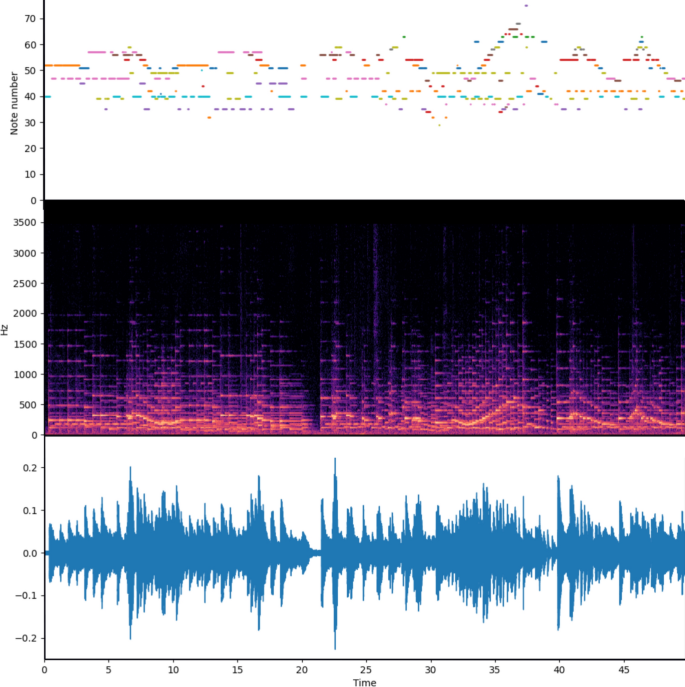
Machine learning systems are not giant hard drives storing every song intact. They analyze patterns across large datasets. In audio systems, those patterns include rhythm structures, harmonic relationships, spectral fingerprints, and timing distributions.
Think about how Shazam identifies songs. It does not store a full song in memory during recognition. It converts audio into a mathematical fingerprint and compares patterns. Similarly, YouTube’s Content ID detects matches by comparing digital signatures.
Generative AI platforms like Udio and Suno train models to recognize patterns in music data. They learn relationships between sounds. They do not store your track like a downloadable file in a public library.
This distinction matters because music copyright protects fixed expression, not abstract style patterns. Understanding that difference prevents confusion later.
What Music Copyright Protects — and What It Doesn’t


Here is the foundation.
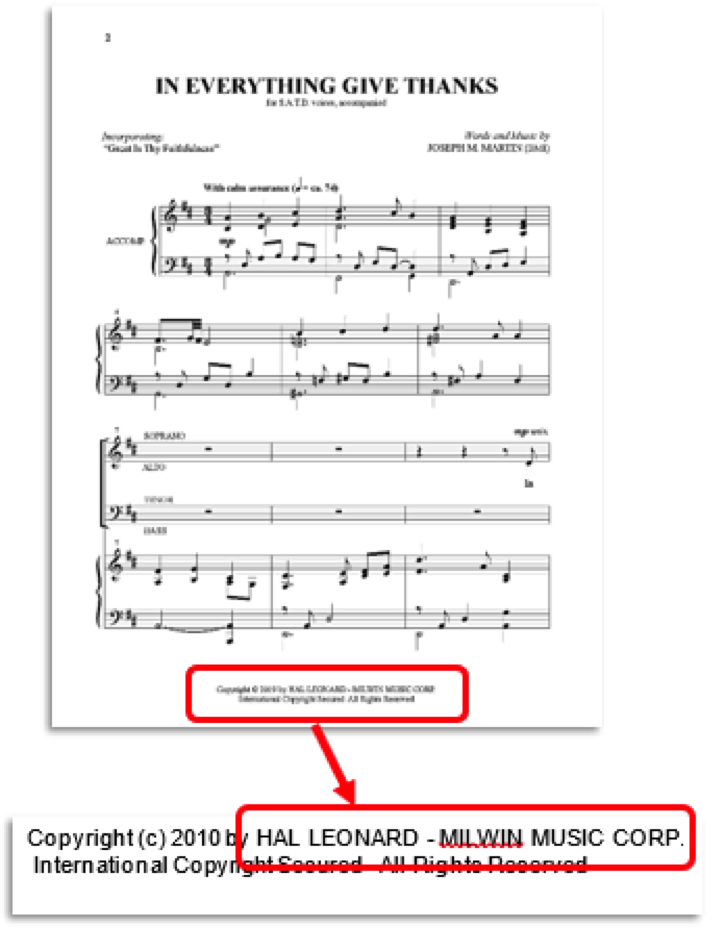
Music copyright protects:
- The fixed composition
- The lyrics
- The specific melody
- The recorded performance
- Reproduction rights
- Public performance rights
- Derivative works based on your original
When you register your work formally through the U.S. Copyright Office or your local authority, you strengthen enforcement power. If you need step-by-step guidance, read How to Copyright Your Music and Protect Your Intellectual Property.
What music copyright does not automatically protect:
- A chord progression alone
- A genre style
- A mood
- A production aesthetic
- The act of analysis
Owning your song is not the same as controlling who analyzes it. This is where confusion often happens. Music copyright gives you control over copying, distribution, public performance, and derivative works. It does not grant automatic ownership over the concept of your style.
Organizations like ASCAP, BMI, and SoundExchange track performance royalties. They help monetize your rights. They do not regulate AI training datasets.
Understanding what music copyright covers keeps your expectations grounded in law rather than speculation.
Can AI Training Infringe Music Copyright?
The debate around AI and music copyright is ongoing.
Some lawsuits argue that training on copyrighted material without permission could infringe reproduction rights. Others argue that pattern extraction may qualify under fair use, depending on jurisdiction and context.
Courts are still deciding.
International frameworks from organizations like WIPO show that copyright is territorial. An AI company operating across borders complicates enforcement. One country’s interpretation of music copyright may differ from another’s.
Here is the realistic position:
- AI training is legally unsettled
- Not every similarity equals infringement
- Courts evaluate substantial similarity, market harm, and transformation
Until precedents stabilize, artists benefit more from strategic protection than reactive outrage.
Practical Steps to Protect Your Music Copyright
This is where execution matters.
1. Register Your Work Formally
Music copyright exists automatically upon creation in many countries, but registration strengthens enforcement.
Step-by-step:
- Create an account with your national copyright office
- Submit composition and recording files
- Pay the filing fee
- Retain your registration certificate
Registration increases leverage if disputes arise.
2. Maintain Creation Evidence
If conflict occurs, proof matters.
Step-by-step:
- Keep original DAW files from Logic Pro or Ableton
- Export stems with timestamps
- Store backups in Google Drive or Dropbox
- Retain email exchanges with collaborators
Documentation strengthens your music copyright claims.
3. Audit Contracts for AI Clauses
Some agreements now include language granting rights for machine learning or data usage.
Step-by-step:
Take Your Game Nights to the Next Level
Muzingo is a fun game where players listen to music tracks and match them to bingo cards — competing to win prizes with friends.
Play Muzingo FreeNo Card Required
- Search contracts for “machine learning,” “training,” or “data usage”
- Highlight vague or broad language
- Request clarification in writing
- Consult a music copyright lawyer before signing
If you need help understanding risky clauses, review 7 Music Contract Clauses You Should Never Sign Blindly.
A qualified music copyright attorney can explain scope, duration, and licensing limitations clearly.

4. Strengthen Business Structure
Protection without structure limits power.
Writing a clear business strategy ensures your music copyright aligns with long-term goals. Use Write a Music Business Plan for Your Career to formalize licensing and revenue direction.
5. Monitor Platform Policies
Platforms like Udio or Suno update their terms. Read them periodically. AI policy language evolves. Ignorance weakens negotiation power.
Should You Use Copyright Music Checker Tools?
Many artists search for a “copyright music checker” hoping it blocks AI usage.
It does not.
A copyright music checker detects similarity in uploads. Tools like YouTube Content ID or SoundCloud’s rights manager help you check music for copyright infringement when someone reposts your track.
They are enforcement tools for duplication, not AI training exclusion systems.
If someone uploads your exact recording, a copyright music checker can flag it. If an AI generates a stylistically similar track without copying your melody, detection tools may not trigger.
Understanding this prevents false confidence. A copyright music checker supports enforcement of your music copyright. It does not give global control over machine learning datasets.
Why Ownership Strategy Matters More Than Panic
Music copyright is legal protection. Strategy is economic power.
If you license wisely, negotiate contracts carefully, and build independent revenue streams, your bargaining position strengthens.
For example, monetization strategies that diversify income reduce reliance on any single distribution channel. If you are exploring creative monetization pathways, read How to Start a Profitable Music Bingo Business.
When revenue is diversified, your music copyright becomes a negotiating asset rather than a defensive shield.
Building Leverage in an AI Era


The framework is simple:
Creation → Registration → Licensing → Leverage
Creation establishes ownership.
Registration strengthens enforcement.
Licensing converts rights into revenue.
Leverage builds independence.
Platforms that help you build direct engagement with fans increase negotiating power. On Muzingo, artists and hosts use interactive music games to create shared experiences around songs. You can understand the mechanics clearly by reviewing How It Works.
For brand context, see the official Muzingo project overview on Muzingo.
When audiences engage directly with your music ecosystem, your music copyright gains practical weight. Independence reduces vulnerability.
Final Thoughts on Music Copyright in the AI Era
Music copyright remains a powerful legal tool. It protects fixed expression. It does not guarantee control over analysis. As AI evolves, clarity becomes more valuable than alarm.
Register your work.
Document your process.
Audit your contracts.
Build revenue leverage.
Then move forward with confidence grounded in structure.
Start building direct audience engagement today. Create a free interactive music experience and strengthen your independence now:
Start Now!
Your music copyright gives you rights.
Your strategy gives you power.
FAQ
Does AI steal my music automatically?
No automatic theft occurs simply because AI analyzes patterns. Infringement depends on reproduction, substantial similarity, and legal interpretation.
Can I opt out of AI training entirely?
Currently, opt-out mechanisms vary by platform and jurisdiction. There is no universal global switch.
Do copyright music checker tools stop AI systems?
No. A copyright music checker detects direct uploads or matching content. It does not block AI dataset ingestion.
When should I hire a music copyright attorney?
Consult a music copyright attorney when signing contracts involving licensing, machine learning rights, or significant distribution deals.