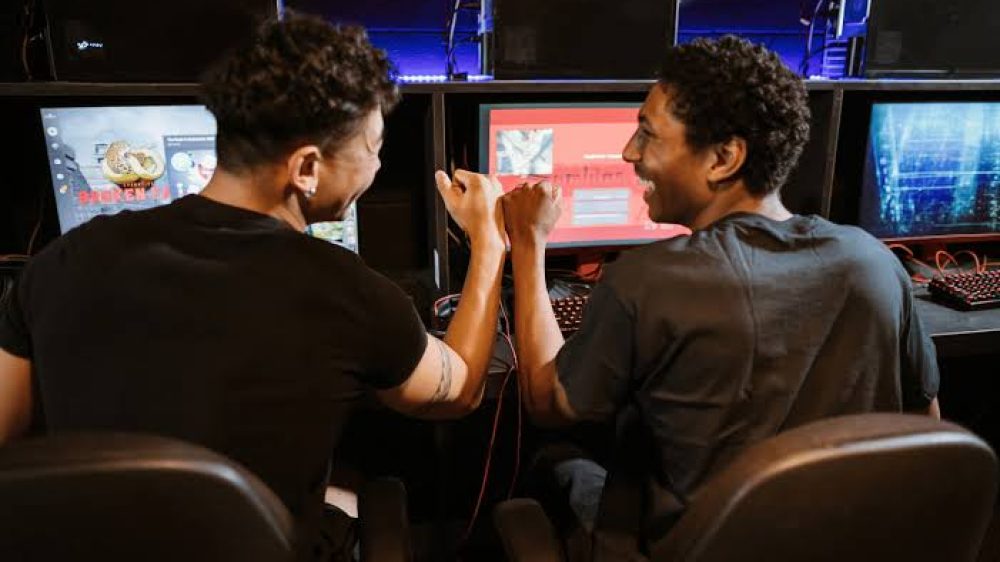


You have 1,000 members in your Slack community.
Twelve people talk.
The rest watch.
If you manage a Discord server, a Circle membership, a Mighty Networks group, a Geneva community, or a SaaS user group, you already recognize this pattern. Community engagement looks uneven. A small percentage carries the conversation. The majority remain silent.
Silence is often misread as apathy.
It usually is not.
Most silent members care. They log in. They read threads. They scan announcements. They attend occasional Zoom calls. But they hesitate.
Low community engagement is typically a risk problem, not an interest problem.
When exposure feels high, participation drops.
When participation rules are unclear, hesitation rises.
When the first step is undefined, members default to observing.

If you want to increase community engagement, you do not start by asking louder questions. You start by reducing participation risk.
This article is written specifically for digital community managers operating:
Slack communities
Discord servers
Circle communities
Mighty Networks memberships
Founder networks
Virtual tech communities
We are diagnosing engagement in community spaces that live on screens.
By the end, you will understand why silent members are unactivated rather than disengaged and how structured interactive rituals convert passive observers into consistent participants.
RELATED BLOG POST
• WHAT IS MUSIC BINGO
• HOW INTERACTIVE MUSIC GAMES BRING GROUPS TOGETHER
• LEARN MORE ABOUT MUSIC BINGO SOFTWARE
• LEARN HOW TO MONETIZE MUSIC BINGO
Why Community Engagement Stalls Even When People Care
Community engagement does not stall because members lack interest. It stalls because participation feels socially risky.
Consider a Slack SaaS community with 1,200 members. Only 3 percent post monthly. The admin runs an open-ended AMA. “Ask me anything.” Nine questions appear.
The problem is not curiosity. It is exposure.
Four invisible friction points typically block engagement in community spaces:
1. Fear of Judgment
Posting in Slack or Discord is public. Even in supportive communities, members calculate social cost. Is this question basic? Has it already been answered? Will I look uninformed?
When exposure risk rises, participation falls.
2. Unclear Participation Rules
If there are no visible norms, members hesitate. On Discord, if no one reacts with emojis, others assume silence is expected. On Circle, if long-form essays dominate threads, shorter responses feel inadequate.
Uncertainty suppresses engagement in community environments.
3. No Defined First Step
Open discussion prompts like “What’s everyone working on?” demand cognitive effort. Members must formulate thoughts, structure responses, and commit publicly.
High cognitive effort reduces action.
4. No Visible Reward
If participation produces no recognition, no response, and no feedback loop, members disengage. They conclude effort does not matter.
This is the core insight: to increase community engagement, you must lower social and cognitive risk while increasing clarity and feedback.
Why Asking More Questions Does Not Increase Community Engagement
Many community managers attempt to increase community engagement by posting more open-ended questions.
This often makes the problem worse.
Open-ended prompts increase exposure. Exposure increases perceived risk. Perceived risk reduces action.
In a Discord founder server, a moderator posts: “Share your biggest challenge this week.” Silence follows. Not because founders lack challenges. Because vulnerability without structure feels unsafe.
Contrast that with a structured poll:
“What is your biggest blocker this week?
A. Marketing
B. Product
C. Hiring
D. Focus”
Participation rises.
Why?
Lower cognitive effort. Lower exposure risk. Clear boundaries.
The difference between low engagement and activation often comes down to structure.
If you want to increase community engagement, replace open exposure with guided participation.
The Low-Risk Activation Model


Silent members need activation, not persuasion.
Activation requires four elements:
1. Structured Interaction
Clear rules reduce anxiety. Defined formats remove ambiguity.
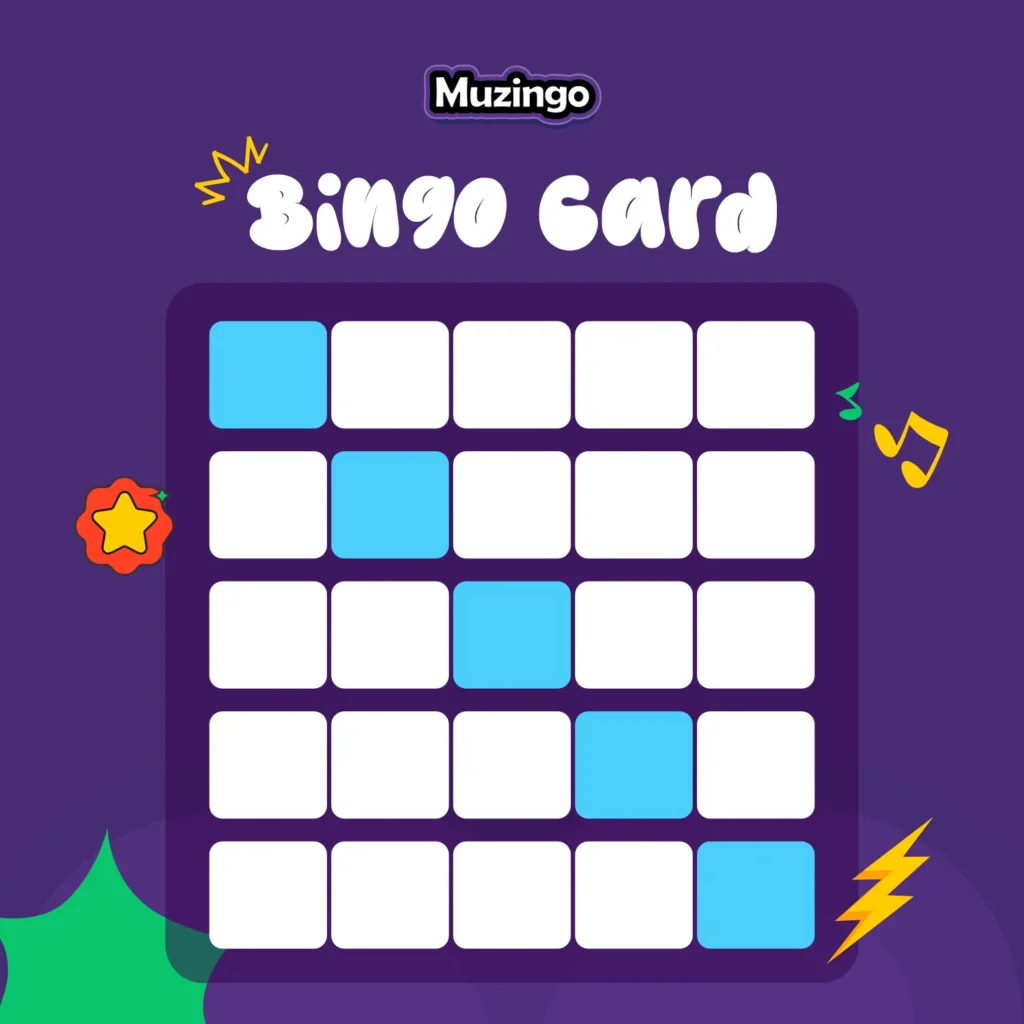
Music bingo, for example, is not random entertainment. It is a structured interactive system with defined mechanics. If you are unfamiliar, start with What Is Music Bingo to understand the format.
Clear rules reduce hesitation. See how structure works in practice through Music Bingo Rules.
2. Clear Participation Rules
Members must know exactly what to do.
Not “share your thoughts.”
Instead: “Mark the song when you recognize it.”
Not “jump into discussion.”
Instead: “React with 🎵 when you hear a hit from the 2000s.”
Take Your Game Nights to the Next Level
Muzingo is a fun game where players listen to music tracks and match them to bingo cards — competing to win prizes with friends.
Play Muzingo FreeNo Card Required
Boundaries create safety.


3. Low Cognitive Effort
Participation tiers matter:
React → Vote → Select → Short answer → Speak
Most silent members will start at reaction level. Once they experience positive feedback, they escalate naturally.
4. Immediate Feedback
Recognition is activation fuel.
Highlight first responders.
Call out correct answers.
Display a live leaderboard.
Celebrate small wins.
Music triggers emotional memory. Research into why familiar songs create joy supports this dynamic. See The Science Behind Why Old Songs Makes Us Happy for deeper insight into why musical cues accelerate bonding.
When structured properly, interactive formats reduce participation risk and increase community engagement predictably.
How to Increase Community Engagement Step by Step
This is where execution matters.
Below is a practical framework for Slack, Discord, Circle, Mighty Networks, and similar digital platforms.
Step 1: Define the Ritual
Choose a recurring structured format.
Monthly activation event
Biweekly interactive session
Quarterly community-wide challenge
If using music bingo as the activation ritual, understand the infrastructure through How It Works and the full Product Walkthrough.
The key is repeatability.
Step 2: Lower the Entry Barrier
On Slack:
Create a dedicated event channel.
Pin simple participation rules.
Encourage emoji reactions as first-step engagement.
On Discord:
Use event scheduling features.
Create reaction roles tied to participation.
Start with polls before voice chat.
On Circle or Mighty Networks:
Use event pages with clear instructions.
Allow quick one-click participation moments.
On Zoom:
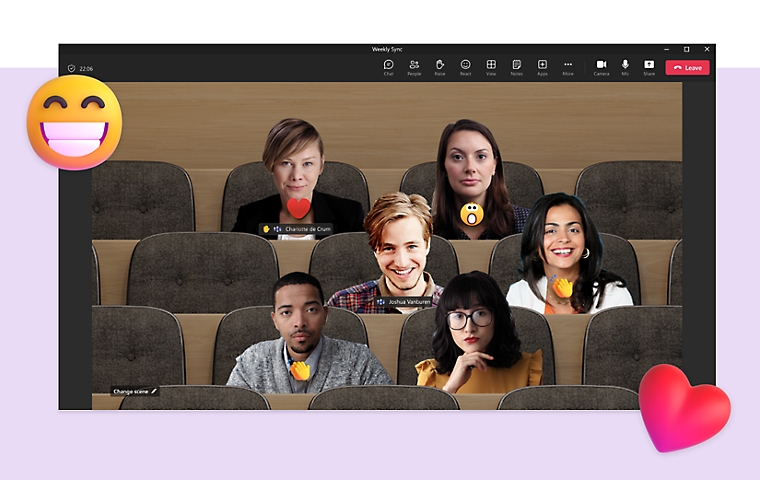
Screen share the game board.
Encourage chat-based responses before unmuting.
Lower barrier first. Depth follows.
Step 3: Make Participation Visible
Visibility creates momentum.
Display winners.
Highlight first-time participants.
Mention active members in announcements.
For ideas on strengthening group bonds through interactive formats, review How Interactive Music Games Bring Groups Together and 5 Ways Bingo Game Songs Nurture Bonds.
Engagement grows when participation feels socially rewarded.
Step 4: Track Activation Metrics
To increase community engagement sustainably, measure:
First-time participant count
Reaction rate per event
Chat participation percentage
Event attendance versus community size
Data clarifies whether risk is decreasing.
Step 5: Introduce a Revenue Layer
Engagement without structure fades. Structure creates leverage.
Once participation stabilizes, recurring events can support monetization through:
Premium access tiers
Sponsored sessions
Member-only competitions
Explore structured revenue pathways through How to Monetize Music Bingo and How to Start a Profitable Music Bingo Business.
Engagement fuels retention. Retention enables monetization.
From First Action to Fan Loyalty
The progression looks like this:
Micro participation
→ Recognition
→ Identity
→ Belonging
→ Loyalty
→ Monetization
A member reacts to one prompt.
They receive recognition.
They begin identifying as “active.”
They feel part of the group.
They attend regularly.
They pay, refer, or contribute.
Community engagement compounds when participation feels safe and repeatable.
Music bingo functions as structured engagement infrastructure. If you are evaluating options, compare platforms through Music Bingo Software and How to Choose the Best Music Bingo Software.
This is not about entertainment. It is about ritualized activation.



Conclusion: Reduce Risk to Increase Community Engagement
Silent members are rarely disengaged.
They are calculating.
When participation feels exposed, they observe.
When it feels structured and safe, they act.
If you want to increase community engagement inside your Slack, Discord, Circle, or SaaS community, reduce participation risk. Install structured interactive rituals. Measure activation. Repeat consistently.
Engagement is not luck. It is architecture.
Join the Community Host Partner Group and Activate All Ghost Members Now!