

You grind for years.
You build momentum.
You release songs.
You grow your audience.
Then it happens. A contract lands in your inbox.
Suddenly, music contracts feel like validation. Like proof you made it.
But music contracts are not trophies. They are control systems. And if you do not understand them, they shape your career in ways you cannot undo.
This article is educational, not legal advice. The goal is clarity. Because signing music contracts blindly is not ambition. It is surrender.
RELATED BLOG POST
- HOW TO MAKE MONEY AS A MUSIC ARTIST
- HOW TO LICENSE YOUR MUSIC FOR FILMS N TV SHOWS
- WRITE A MUSIC BUSINESS PLAN FOR YOUR CAREER
- HOW TO COPYRIGHT YOUR MUSIC AND PROTECT YOUR INTELLECTUAL PROPERTY
What Most Artists Misunderstand About Music Contracts
Most artists think music contracts are about opportunity.
In reality, they are about allocation of:
• Ownership
• Revenue timing
• Control
• Leverage
There is a difference between:
Ownership — who legally owns the asset
Control — who decides how it is used
Many music industry contracts let artists feel visible while removing long-term control.
Handshake music agreements feel friendly. But once something becomes a record label contract, every clause has economic consequences.
Understanding music contracts means understanding incentives.
Clause 1: Ownership of Masters
If you sign away master ownership, you are giving away the recording itself.
Masters generate income from:
• Streaming
• Sync licensing
• Distribution deals
• Re-releases
If someone else owns them, they control those streams.
That is why understanding copyright fundamentals matters. Before negotiating music contracts, read how to protect ownership in HOW TO COPYRIGHT YOUR MUSIC AND PROTECT YOUR INTELLECTUAL PROPERTY.
Real example:
Artist signs a record label contract. Label funds marketing. Artist keeps 15 percent royalties. Label owns masters permanently.
Ten years later, catalog explodes on TikTok. Label benefits most.
Music contracts determine who wins later.
Clause 2: Publishing and Songwriting Splits
Publishing is separate from masters.
Publishing controls composition rights:
• Lyrics
• Melody
• Underlying structure
Many music agreements confuse artists by bundling publishing inside broader music contracts.
Revenue flows like this:

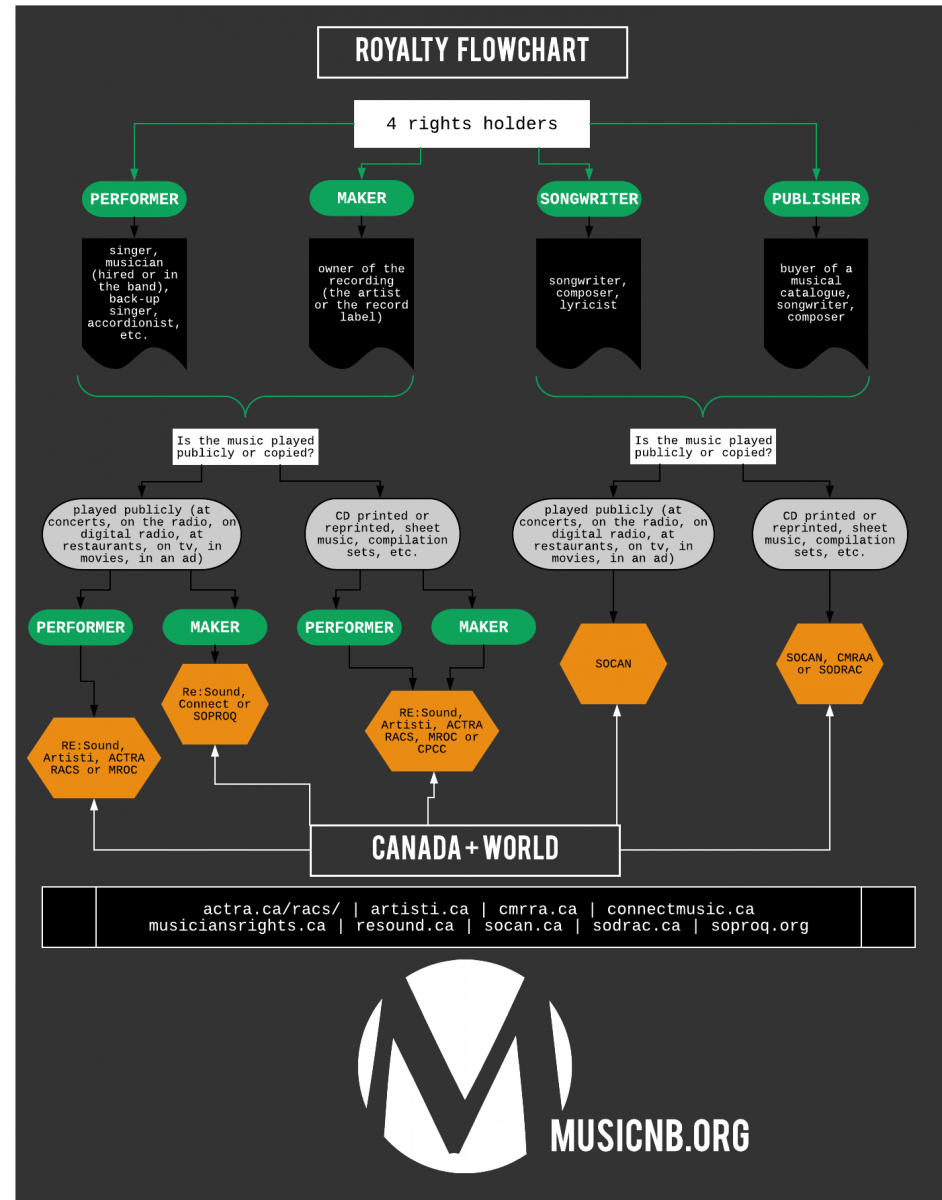

Streaming platform → Publisher → Songwriters
If publishing splits are vague inside music contracts, income disappears quietly.
Before signing music industry contracts, understand alternative monetization paths like sync licensing. Review HOW TO LICENSE YOUR MUSIC FOR FILMS N TV SHOWS.
Clause 3: Recoupment
Advances feel like income.
They are loans.
Recoupment means every expense is deducted before you earn royalties.
Studio time
Marketing
Video production
Tour support
If your record label contract defines all expenses as recoupable, you may never see profit.
This is why many artists sign music contracts and remain broke despite millions of streams.
Understand revenue diversification through HOW TO MAKE MONEY AS A MUSIC ARTIST.
Clause 4: Term Length
Music contracts define time in two ways:
Years
Albums
A five-album deal can trap you longer than a five-year deal.
Option periods allow labels to extend music contracts unilaterally.
Example:
Initial term: 1 album
Options: 4 additional albums
Control: Label
Take Your Game Nights to the Next Level
Muzingo is a fun game where players listen to music tracks and match them to bingo cards — competing to win prizes with friends.
Play Muzingo FreeNo Card Required
You are committed. They are not.
Always examine exit flexibility.
Clause 5: Exclusivity
Exclusivity clauses restrict collaboration.
Some music contracts prohibit:
• Features
• Side projects
• Independent releases
• Alternate genre exploration
If exclusivity blocks creative expansion, your brand stagnates.
Music contractual documents should scale your reach, not shrink it.
Clause 6: Royalty Definitions
This is where language becomes deceptive.
Gross vs Net
If music contracts calculate royalties on “net receipts,” deductions can reduce earnings dramatically.
Hidden deductions may include:
• Distribution fees
• Packaging
• Marketing allocations
Percentages look impressive until accounting language reshapes them.
Music industry contracts reward those who read carefully.
Clause 7: Options and Future Rights
Future rights clauses extend control beyond current projects.
Examples:
• Sequel clauses
• Merchandising rights
• Touring percentages
• Branding control
Some music contracts even attempt to control name usage or likeness.
A record label contract can extend into areas you did not anticipate.
Never ignore “future works” language.
How to Approach a Record Label Contract Intelligently
- Define your long-term strategy first.
Write your roadmap using WRITE A MUSIC BUSINESS PLAN FOR YOUR CAREER. - Clarify your leverage.
Audience size matters. Direct engagement matters. - Get professional review.
Music contracts are legal instruments. - Compare alternative paths.
Not every growth path requires traditional music industry contracts.
Contracts Are One Piece of a Bigger Career Strategy
Music contracts are tools. They are not careers.
Your leverage increases when:
• You own your catalog
• You license strategically
• You diversify income
• You build direct fan engagement
Platforms like Muzingo show how artists can build audience interaction through interactive music experiences.
You can also explore how interactive formats work in HOW INTERACTIVE MUSIC GAMES BRING GROUPS TOGETHER .
When you control audience access, these contracts become negotiations, not lifelines.
Explore the broader ecosystem at Muzingo.
Why Leverage Changes Music Contracts
If you can:
• Host events
• Build community
• Create recurring engagement
• Monetize outside labels
You negotiate differently.
For example, some artists build revenue streams by creating interactive fan events. Understanding monetization models through HOW TO START A PROFITABLE MUSIC BINGO BUSINESS reveals how diversified income strengthens bargaining power.
These trap-documents offered to desperate artists differ from those offered to profitable artists.
Conclusion



Music contracts are not enemies.
They are instruments.
But instruments require skill.
You are not anti-deal.
You are pro-understanding.
Every clause in music contracts either increases control or reduces it.
Read slowly.
Negotiate strategically.
Build leverage before you sign.
Strengthen your leverage before signing your next deal.
Start a free interactive music game and build direct fan engagement now
When you grow audience ownership, music contracts become partnerships, not pressure.
FAQ
What are music contracts in the music industry?
These are legally binding agreements between artists and entities such as labels, publishers, or managers that define ownership, revenue splits, and control rights.
Should I sign a record label contract without a lawyer?
No. Music contracts contain legal and financial implications that require professional review.
Are all music industry contracts bad?
No. Music industry contracts can accelerate growth when structured fairly. The issue is not signing. It is signing blindly.
Can I negotiate contract clauses examples like royalties or term length?
Yes. Many contract clauses examples are negotiable depending on leverage and market position.