

Your Slack channel used to move fast.
Notifications every hour. Threads branching. Members tagging each other without being prompted.
Your Discord server had voice rooms open at midnight. Inside Circle, founders were replying to each other without waiting for the host.
Now it feels different.
Slack has become an announcement board. Discord has 2,000 members and three active users. Zoom RSVPs convert into silence. What used to feel alive now feels procedural.
This is where most digital community managers panic about online community engagement.
They assume something went wrong with the people.
It rarely did.
What you are seeing is not a people problem. It is a pattern problem.
Communities do not collapse because members disappear. They decay because predictability replaces anticipation.

RELATED BLOG POST
- HOW INTERACTIVE MUSIC GAMES BRING GROUPS TOGETHER
- HOW TO INCREASE COMMUNITY ENGAGEMENT AND ACTIVATE GHOST MEMBERS
- HOW TO HOST A MUSIC BINGO NIGHT UNFORGETTABLE
- WHAT IS MUSIC BINGO
The 90-Day Engagement Decay Curve
Across Slack, Discord, Circle, Mighty Networks, and Geneva, the same pattern appears.
Month 1: Curiosity spike
New members explore. Introductions flow. Questions feel fresh. The host is active. Every notification feels relevant.
Month 2: Participation stabilizes
The novelty fades. Members begin observing more than contributing. Conversations become narrower.
Month 3: Ritual erosion
Recurring sessions lose energy. Weekly Q and A becomes routine. Threads get shorter. Fewer people initiate.
Month 4: Silence
The admin posts. Members react. Very few initiate.
This is the predictable decay curve of online community engagement.
It is measurable.
Export Slack message data. Compare Week 2 versus Week 10.
Measure Discord daily active users.
Track Circle comment-to-post ratio.
Check Zoom RSVP-to-attendance drop off.
Use Eventbrite virtual registrations to measure conversion fatigue.

You will likely see a 30 to 60 percent decline in active participation after the initial onboarding phase.
The problem is not membership count. It is energy architecture.
Why Predictability Kills Online Community Engagement
Humans engage when anticipation exists.
Anticipation is a neurological state. The brain releases dopamine not only when rewarded, but when expecting something meaningful. When a Slack community becomes predictable, anticipation disappears.
Weekly announcements at the same time.
Open-ended prompts that require effort.
Repeating formats with no variation.
This is where online community engagement declines quietly.
In Discord servers, moderators often increase posting frequency to compensate. In Circle communities, hosts add more content threads. In Mighty Networks, push notifications multiply.
The intention is good.
The effect is the opposite.
When members feel that nothing surprising will happen, they scroll instead of participate.
Shared rituals create connection. This is not sentimental theory. There is research behind collective synchrony. When people participate in something structured at the same time, cohesion increases. That is why structured games consistently outperform open discussions for participation.
If you want a deeper perspective on how shared experiences build bonds, this breakdown on how bingo game songs nurture bonds is worth reading.
Predictability without rhythm kills energy. Rhythm with variation sustains it.
Why More Posts Do Not Fix Engagement in Community
When silence appears, most digital community managers respond with volume.
More prompts.
More tags.
More announcements.
More reminders.
Inside Slack, this turns into notification fatigue.
Inside Discord, it turns into muted channels.
Inside Zoom, it becomes registrations without attendance.
More content increases cognitive load.
Participation requires effort. If engagement in community demands thoughtful replies every time, members conserve energy by observing.
Imagine a SaaS user group inside Slack.
Month 1: Members answer each other’s feature questions.
Month 3: Only the product manager responds.
Month 4: Members read but do not reply.
The instinct is to post daily discussion threads.
The structural solution is different.
Instead of asking for more thought, design for shared interaction.
That is the difference between content and ritual.
What Actually Revives Online Community Engagement
To revive online community engagement, you need structured interactive rituals.
Not random events.
Not motivational speeches.
Not open Zoom hangouts.
Rituals have four properties:
Take Your Game Nights to the Next Level
Muzingo is a fun game where players listen to music tracks and match them to bingo cards — competing to win prizes with friends.
Play Muzingo FreeNo Card Required
Repeatable
Low cognitive load
Synchronous participation
Visible recognition
Let us translate that into execution across common community engagement platforms.
Step 1: Install a fixed recurring slot
Choose a consistent day and time. Publish the 60 day schedule inside Slack or Discord. Create a dedicated event channel.
Step 2: Reduce participation friction
Use Zoom for live interaction. Integrate Eventbrite for optional RSVP tracking. Limit participation to one or two simple actions.
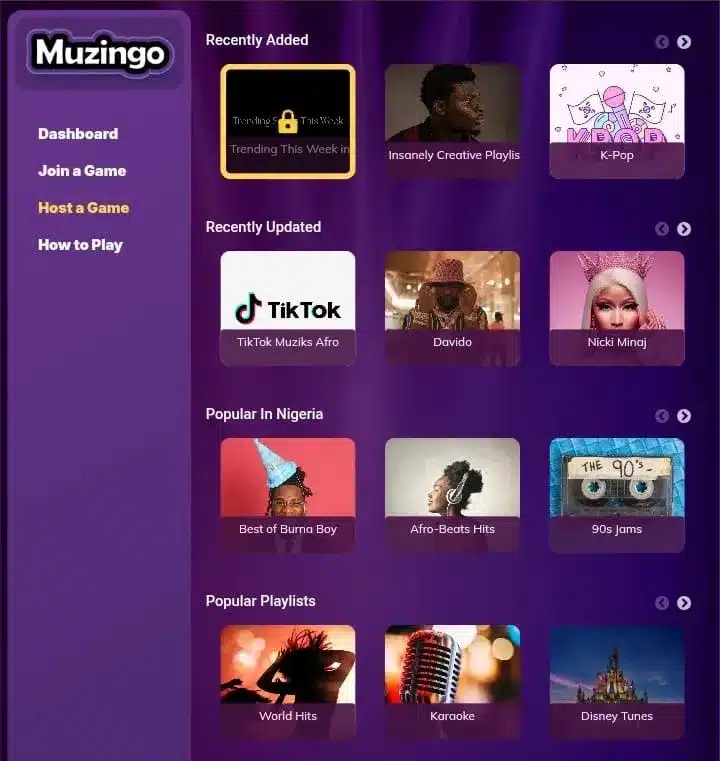
Step 3: Add light competition or visible recognition
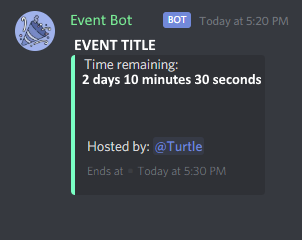
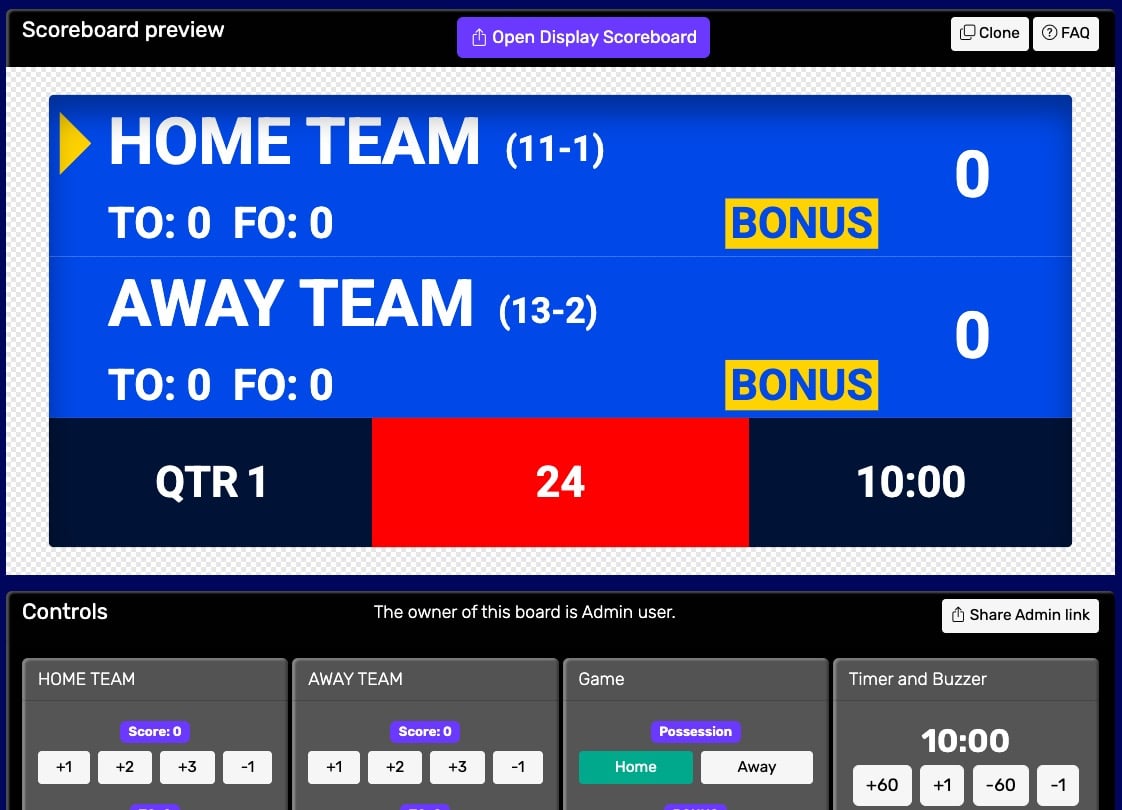
Award Discord roles. Highlight Slack participants in recap threads. Post scoreboard visuals.
Step 4: Celebrate publicly
After each event, tag participants. Share highlights. Tease the next session.
This creates rhythm.
When rhythm returns, online community engagement stabilizes because members know something shared is coming.
This is where structured digital formats outperform casual meetups.
If you want to understand how a structured format operates behind the scenes, the product walkthrough explains the infrastructure clearly.
Structured does not mean rigid. It means reliable.
From Chaos to Ritual: The Engagement Reset Model
When a community enters Month 3 silence, apply this reset model.
Trigger
Announce a time-bound interactive session. Not a discussion. An experience.
Shared Participation
Members join simultaneously via Zoom or integrated live stream.
Light Competition or Recognition
Points. Shoutouts. Badges. Simple gamification.
Celebration
Public recap. Visible acknowledgment. Next date announced immediately.
This is how you rebuild online community engagement without overwhelming your members.

Now we introduce infrastructure.
Muzingo operates as a structured interactive event system. It is not random entertainment. It is a repeatable ritual engine designed for digital communities.
Inside Slack, it integrates with scheduled announcements.
Inside Discord, it works alongside role systems and event bots.
Inside Circle or Mighty Networks, it becomes a low-friction participation layer.
It can also introduce optional monetization. If you want to see how structured formats convert into revenue without hype, this breakdown on how to monetize music bingo is practical.
Notice the sequence.
Engagement first. Revenue second.
Sustainable communities are not loud. They are rhythmic.

How to Prevent Your Community From Becoming a Graveyard
Prevention is easier than revival.
Here is a tactical prevention sequence digital community managers can execute immediately.
Audit your 90 day participation data
Compare message depth, not just message count. Identify how many unique members initiate threads.
Install ritual slots before decay
Do not wait for silence. Announce recurring interactive formats early.
Balance high effort and low effort participation
Not every engagement moment should require long responses. Mix structured interaction with open discussion.
Track RSVP to attendance ratio
Use Zoom analytics or Eventbrite tracking to detect anticipation fatigue early.
Reinforce identity
Tie rituals to community identity. Founder Fridays. Builder Nights. Alumni Sessions.
When structured interactive sessions are integrated consistently, online community engagement becomes more predictable in a positive way.
Members show up not because they were tagged, but because they expect shared moments.
If you are exploring digital execution clarity, this guide on how to play music bingo online provides the mechanical overview.


Conclusion
Declining online community engagement is not emotional failure. It is structural entropy.
Communities decay in cycles.
Month 1 curiosity
Month 2 stability
Month 3 erosion
Month 4 silence
You cannot fix that cycle with more posts.
You fix it with rhythm.
You fix it with shared participation.
You fix it by installing structured interaction into your community architecture.
If your online community engagement is declining, you do not need more content. You need structured interaction.
Join the Community Host Partner Group and turn never deal with an inactive community again.