
Team building games can either energize your employees or leave everyone counting down the minutes until they’re over. The best activities create genuine conversations, strengthen collaboration, and help colleagues connect naturally. In this guide, you’ll discover 15 team building games that work for in-person, remote, and hybrid teams.
Introduction
The room is loud, but something feels off. Your team has spent $10,000 on a company retreat, yet people are still sitting with the same coworkers they message every day. Marketing is talking shop in one corner, developers are glued to their phones, and the awkward icebreaker has everyone watching the clock. Team building should leave people laughing, talking, and discovering something new about the colleagues behind the job titles. Instead, poorly chosen activities can drain energy, deepen social silos, and turn a promising afternoon into another calendar obligation.
The right game changes the atmosphere fast. Suddenly, the quiet colleague is shouting an answer, the manager is laughing with the intern, and two departments that rarely interact are celebrating the same win. That shared spark matters because stronger connections make everyday collaboration feel more natural.
Here are 15 team building games designed to create that spark, whether your team works around one table, across several time zones, or somewhere in between.
RELATED BLOG POST
- MUSIC BINGO NIGHT/KARAOKE NIGHT: WHICH DRIVES MORE REVENUE?
- 7 IRRESISTIBLE REASONS TO TRY WORKPLACE BINGO FOR TEAM BUILDING
- HOW TO CHOOSE THE BEST MUSIC BINGO SOFTWARE FOR YOUR EVENT
- HOW TO BUILD AN IRRESISTIBLE MUSIC BINGO PLAYLIST THAT APPEALS TO ALL AGES

What makes an effective team building game?
Effective team building games dissolve professional hierarchy and foster genuine psychological safety. According to research published by Harvard Business Review, informal team activities improve cross-functional trust and problem-solving speed by up to 30% in distributed environments. When people engage in low-stakes play, their brains shift away from defensive corporate posturing toward collaborative problem-solving and team building.
An ideal activity requires zero awkward icebreaker speeches, accommodates varying personality types, and generates shared positive memories that translate back to day-to-aisle project execution. Managers looking to introduce low-risk workplace gamification can explore structured options like those outlined in 7 Irresistible Reasons to Try Workplace Bingo for Team Building.
For example, a collaborative music game encourages quieter employees to participate without putting them on the spot. Those shared moments often make future meetings feel more relaxed because colleagues have already interacted in a low-pressure environment.
Why traditional activities fail
Many standard corporate exercises crash because they feel forced, performative, and exhausting. Data from the Microsoft Work Trend Index indicates that 54% of hybrid managers feel leadership is out of touch with employee engagement, largely because traditional offsite activities rely on mandatory public speaking or physical vulnerability.
When employees are forced into awkward trust falls or endless icebreaker circles, anxiety spikes instead of morale.
Examples:
- awkward introductions
- mandatory icebreakers
- personality quizzes
- scripted networking
True team building games bypass artificial pressure by anchoring interaction around familiar, universally enjoyed mechanics like music, friendly competition, and shared puzzle-solving. When you swap out awkward roleplay for structured entertainment, participation rates skyrocket naturally. To understand how competitive engagement formats outperform monotonous routines, review insights on Music Bingo Night/Karaoke Night: Which Drives More Revenue? which highlights how gamified audio events captivate adult audiences.
15 team building games
Discovering the right activities for your team requires balancing energy levels, group size, and logistical constraints. Here are 15 team building games that actually bring people together across offices, remote setups, and hybrid workshops.

1. Music Bingo
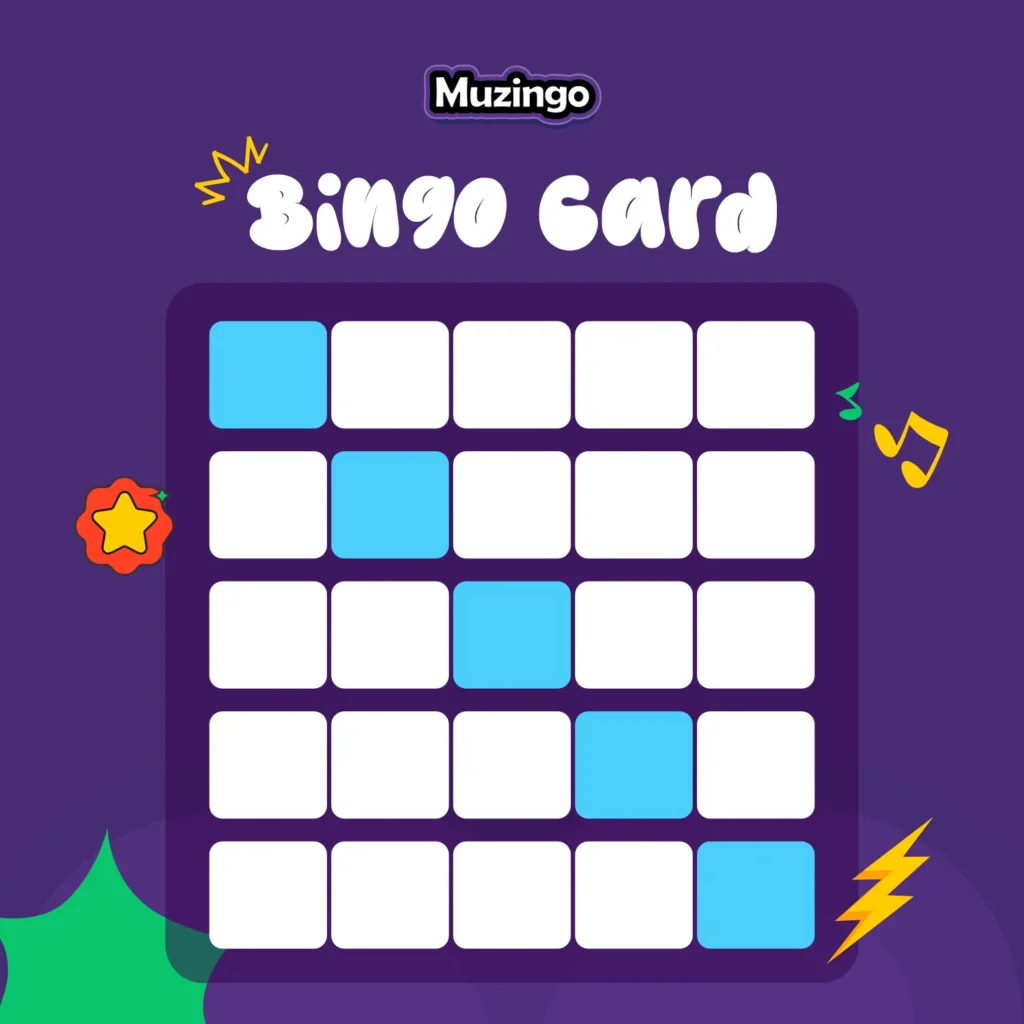
Music Bingo replaces traditional numerical cards with song titles, transforming passive listening into an electric group competition. Hosts play popular track snippets while participants mark off matching songs on digital or printable boards. It requires zero musical expertise and creates instant generational bonding through shared nostalgic hits. For distributed teams, platforms like How to Host a Virtual Music Bingo Game offer seamless virtual execution for remote employees.
Example: During a quarterly all-hands meeting, divide employees into small tables and let each table compete together. The shared excitement when someone recognizes a song quickly breaks down departmental barriers.
Best for: Company-wide events, hybrid teams, employee appreciation days, conferences (10 to 500+ people)
Duration: 30 to 60 minutes
Preparation: Low to Medium
Works remotely: Yes
2. Escape Rooms
Virtual or physical escape rooms force cross-functional teams to solve sequential riddles under time pressure. This game mechanism highlights individual communication styles and reveals natural leadership dynamics without corporate bias. Team members must listen actively, delegate clues, and pool diverse cognitive strengths to win.
Best for:
- Project kickoffs
- Leadership retreats
- Onboarding
- Departments of 5-10
Duration: 60 to 90 minutes
Preparation: Medium
Works remotely: Yes (Virtual Escape Rooms)
3. Trivia
Custom corporate trivia nights test general knowledge, pop culture, or company history in a lively pub-style format. Splitting employees into randomized breakout squads breaks down departmental silos between engineering, marketing, and operations. Laughter over obscure historical facts naturally resets cognitive fatigue during long strategy offsites.
Example categories
- Company milestones
- Pop culture
- Industry facts
- Team members
Best for: Department mixers, company socials, onboarding sessions, lunch-and-learns (10 to 100+ people)
Duration: 20 to 45 minutes
Preparation: Medium
Works remotely: Yes
4. Human Bingo
Human Bingo replaces icebreaker boredom by handing players a grid filled with unique personal traits or quirky experiences. Employees must mingle to find colleagues who match squares like “played three instruments” or “lived abroad.” It prompts organic storytelling and uncovers hidden coworker talents instantly.
Best for: New employee onboarding, networking events, conferences, cross-functional teams (10 to 60 people)
Duration: 15 to 30 minutes
Preparation: Low
Works remotely: Yes (with digital bingo cards)
5. Office Olympics
Office Olympics groups coworkers into teams for lighthearted physical or mental dexterity challenges using desk supplies. Events like swivel-chair relay races or paper-airplane distance contests inject high physical energy into sluggish afternoon sessions. It revitalizes morale by letting adults embrace playful competition together.
Best for: Office celebrations, team retreats, employee appreciation events (10 to 50 people)
Duration: 45 to 90 minutes
Preparation: Medium to High
Works remotely: No
6. Marshmallow Challenge
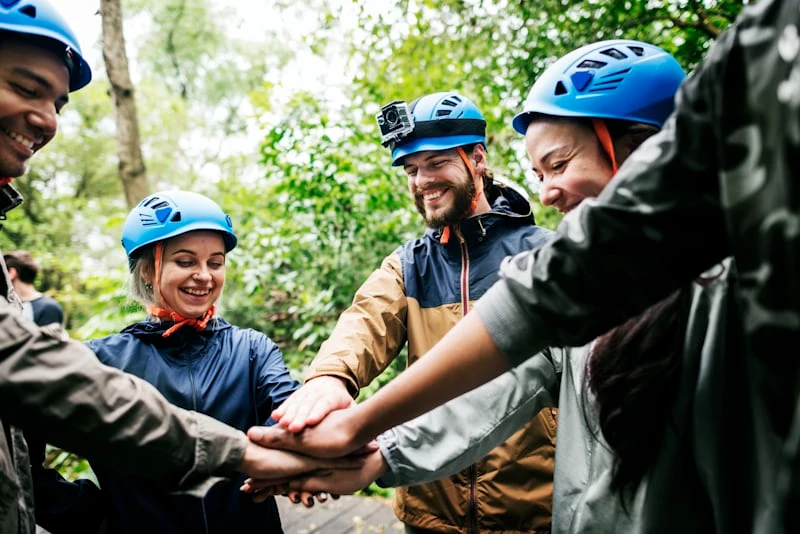
Teams receive raw spaghetti, tape, string, and one marshmallow to build the tallest freestanding structure in eighteen minutes. This prototyping exercise teaches rapid iteration, psychological safety, and collaborative experimentation under tight constraints. It exposes how teams handle project pivots and creative risk-taking.
Best for: Innovation workshops, leadership training, design thinking sessions (4 to 20 people)
Duration: 20 to 30 minutes
Preparation: Low
Works remotely: Yes (using household materials)
7. Speed Networking
Speed networking rotates participants through rapid two-minute conversation prompts in structured pairings. It provides a low-stakes framework for introverted team members to connect deeply with cross-functional peers. Rotating timers keep conversations punchy, energetic, and entirely free of awkward lulls.
Best for: Conferences, onboarding, company mergers, cross-department introductions (10 to 100 people)
Duration: 20 to 40 minutes
Preparation: Low
Works remotely: Yes
8. Scavenger Hunt
Indoor or virtual scavenger hunts challenge teams to locate specific physical or digital artifacts within a set timeframe. This activity encourages rapid resource pooling, digital dexterity, and fast-paced communication among remote teammates. The visual humor of items found builds immediate camaraderie.
Best for: Team retreats, remote teams, company celebrations, family days (10 to 200 people)
Duration: 30 to 60 minutes
Preparation: Medium
Works remotely: Yes
9. Problem Solving Games
Collaborative simulation games require teams to navigate hypothetical crisis scenarios or logistical puzzles together. These games mirror high-pressure project management workflows while keeping stakes recreational. Participants learn how colleagues process stress and negotiate trade-offs.
Take Your Game Nights to the Next Level
Muzingo is a fun game where players listen to music tracks and match them to bingo cards — competing to win prizes with friends.
Play Muzingo FreeNo Card Required
Problem Solving Games
Best for: Leadership teams, strategy sessions, project teams, management training (5 to 30 people)
Duration: 30 to 60 minutes
Preparation: Medium
Works remotely: Yes
10. Guess the Song
Guess the song challenges teammates to identify iconic tracks from two-second audio clips or MIDI loops. It leverages auditory memory and sparks immediate, joyful shouting matches across the room. Teams collaborate to pool musical knowledge across different decades and genres.
Best for: Social events, happy hours, conferences, holiday parties (10 to 200+ people)
Duration: 20 to 45 minutes
Preparation: Low
Works remotely: Yes
11. Two Truths and a Dream
A modern spin on the classic icebreaker, team members share two true statements and one wild career ambition. It reframes introductory sharing around future aspirations rather than past credentials. Coworkers discover inspiring personal goals they never knew existed.
Best for: New teams, onboarding, leadership retreats, icebreaker sessions (5 to 30 people)
Duration: 15 to 25 minutes
Preparation: Low
Works remotely: Yes
12. Virtual Pictionary
Digital drawing platforms allow remote and hybrid teams to sketch prompts while teammates guess in real-time. The resulting abstract drawings generate instant humor and lighthearted relief from video call fatigue. It requires zero artistic talent to spark collective laughter.
Best for: Remote teams, virtual happy hours, distributed companies (4 to 40 people)
Duration: 20 to 45 minutes
Preparation: Low
Works remotely: Yes
13. Collaborative Playlist Building
Teams curate a shared soundtrack around weekly themes like road trip anthems or focus beats. Learning how to build an irresistible playlist that appeals to all ages is detailed in How to Build an Irresistible Music Bingo Playlist That Appeals to All Ages which teaches cross-generational musical curation. Shared music taste discovery strengthens daily team empathy.
Best for: Remote teams, hybrid organizations, employee engagement initiatives (5 to 100 people)
Duration: 15 to 30 minutes
Preparation: Low
Works remotely: Yes
14. Personality Typology Debriefs
Running interactive workshops around personality metrics helps teams understand communication friction points constructively. Framing behavioral differences objectively prevents interpersonal conflict during high-stress project cycles. Teams walk away with a shared lexicon for mutual respect.
Best for: Leadership development, conflict resolution, team workshops, manager training (5 to 25 people)
Duration: 45 to 90 minutes
Preparation: Medium to High
Works remotely: Yes
15. Collaborative Cooking Classes
Virtual or in-office cooking challenges invite teams to follow a recipe together under a chef’s guidance. Sensory engagement and shared culinary triumphs create rich memories outside traditional office spaces. Everyone enjoys the literal fruits of their collaborative labor at the end.
Best for: Team celebrations, holiday events, client appreciation, remote social gatherings (10 to 50 people)
Duration: 60 to 120 minutes
Preparation: High
Works remotely: Yes
Comparison table: Finding the right activity for your team size
| Team Size | Duration | Cost | Energy | Best For |
| 10–500 | 45 Mins | Low | High | Music Bingo & Large Gatherings |
| 5–15 | 60 Mins | Medium | Medium | Escape Rooms & Deep Bonding |
| 20–100 | 30 Mins | Low | High | Trivia & Departmental Mixers |
| 5–30 | 20 Mins | Zero | Low | Speed Networking & Icebreakers |
Why music strengthens teamwork
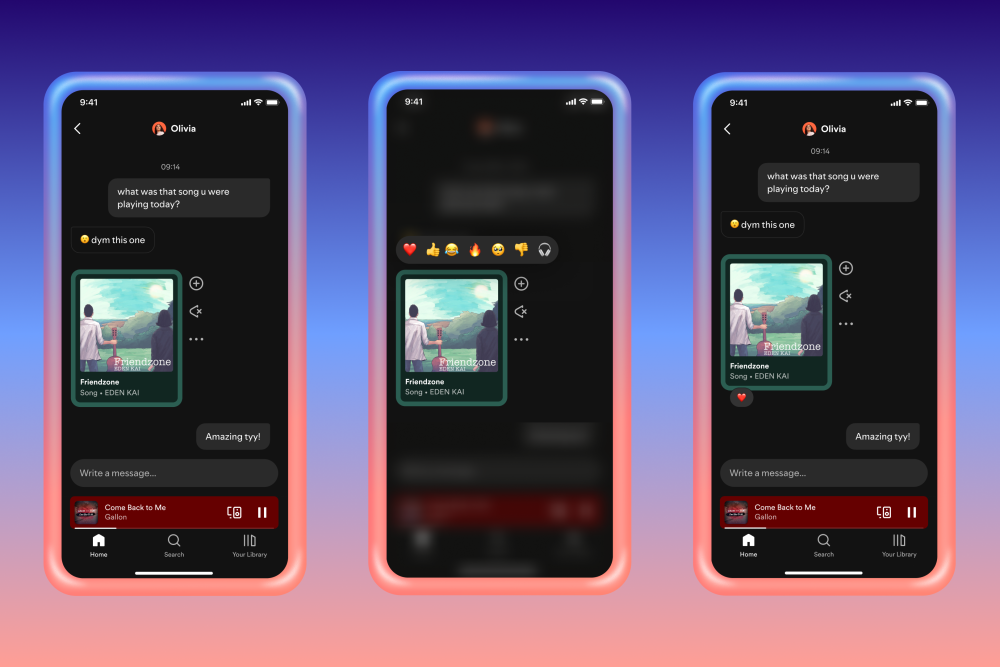
Unlike traditional icebreakers that rely on conversation, music gives everyone something to react to immediately. People sing along, laugh when they miss a song, celebrate wins together, and naturally interact with colleagues they may never normally speak to. That shared experience makes future collaboration feel easier.
According to research from Gallup Employee Experience, highly engaged teams exhibit a 21% greater profitability and a 41% reduction in absenteeism when cultural cohesion is high. Auditory stimulation triggers synchronized dopamine releases across a group, aligning collective moods and breathing rhythms.
During a company offsite, employees from finance, HR, and engineering often end up singing along to the same songs, laughing over missed lyrics, and celebrating wins together. Those shared moments make it easier for people to approach one another long after the event ends.
Why Muzingo works for teams
Corporate event organizers often waste hours wrestling with complex software or printing fragile paper kits that fail mid-game. Modern platforms streamline this execution completely by integrating automated song triggers, digital scorekeeping, and customizable gameboards into one clean interface.
Event leaders looking for professional tools can examine 7 Best Music Bingo Software Platforms with Integrated Song Libraries (2025) to understand how automated software eliminates hosting friction. By utilizing purpose-built event technology, team leaders can focus entirely on hosting rather than technical troubleshooting.
Imagine a company hosting a 200-person annual retreat. Instead of printing bingo cards or manually tracking scores, organizers can launch a game in minutes, let participants join from their phones, and focus on facilitating the event instead of troubleshooting logistics.
Reviewing guides on How to Choose the Best Music Bingo Software for Your Event helps organizations select scalable solutions that fit their exact corporate retreat requirements.

Planning tips for stress-free execution
Executing flawless team building games requires anticipating logistical roadblocks before your team enters the room. Begin by surveying your participants anonymously to identify accessibility needs, time zone constraints, and musical preferences. Test your audio-visual setup and internet bandwidth thirty minutes prior to kick-off to avoid awkward technical delays. Always assign a clear game facilitator who understands the rules inside out and can keep the energy moving briskly.
Finally, ensure you anchor the fun with a structured two-minute debrief connecting game mechanics back to daily workflow communication. End with a five-minute reflection where teams discuss what helped them communicate effectively during the activity and how those lessons can be applied to everyday work.
Organizations ready to scale their event infrastructure can explore tailored options on Choose the Best Muzingo Plan for Your Game Nights to match their company size.
Looking for a team activity everyone can join? Create a Music Bingo game with Muzingo and make your next team event genuinely engaging.
Frequently Asked Questions (FAQ)
What are fun team building games?
Fun team building games are interactive group activities designed to spark laughter, build trust, and encourage teamwork without feeling like forced corporate training. Popular choices include Music Bingo, trivia, scavenger hunts, and collaborative problem-solving challenges.
What games improve teamwork?
Games that require active communication, shared decision-making, and collective problem-solving improve teamwork most effectively. Activities like escape rooms, Marshmallow Challenges, and interactive music games force cross-functional peers to coordinate under low-stakes pressure.
What are indoor team building activities?
Indoor team building activities are structured group exercises hosted inside office conference rooms, breakout spaces, or retreat venues. Great indoor options include trivia nights, office Olympics, Human Bingo, and multi-generational music trivia rounds.
What is the best team bonding activity?
The best team bonding activity is one that accommodates all personality types and encourages authentic participation. Interactive music games like Music Bingo rank among the best because they leverage universal musical nostalgia to unite diverse groups instantly.
How do you engage employees?
You engage employees by replacing monotonous meetings and forced icebreakers with autonomous, rewarding interactive rituals. Combining regular recognition, psychological safety, and gamified social events keeps morale high and workplace burnout low.