You scroll past dozens of musicians every day.
Same poses.
Same muted colors.
Same fonts.
Same carefully curated mystery.
Five minutes later, you can’t remember a single one.
You already know you don’t want to look like that. But there’s another problem you’ve probably run into too. Every time you change your sound, your visuals, or your image to avoid looking boring, nothing sticks. Each release feels new, but not memorable.
This is where branding for musicians gets misunderstood.
The problem isn’t that you lack creativity. The problem is that recognizability is being sacrificed in the name of difference.

RELATED BLOG POST
- ADDISON RAE BRAND REPOSITIONING INTO POP STAR
- THE ONLY MUSIC CAREER STRATEGY YOU NEED
- BEYONCÉ’S STRATEGY: BUILDING A BILLION-DOLLAR BRAND
- HOW MUSIC TRENDS HAVE EVOLVED IN THE LAST DECADE
Why So Many Musicians Look the Same
Most musicians don’t set out to look generic. What actually happens is quieter and more dangerous.
You copy what already “works.”
A pose you’ve seen perform well on Instagram.
A color palette that looks professional.
A visual mood borrowed from artists a few steps ahead of you.
The result is not bad design. It’s undifferentiated sameness.
On platforms like Instagram and Spotify for Artists, musicians often mistake trend alignment for branding. When too many people borrow the same surface cues without a deeper system, visual blur sets in. Everything looks fine. Nothing feels familiar.
This is how musicians end up looking boring without being lazy.
Branding for musicians is not about avoiding trends entirely. It’s about refusing to let trends define your identity. When every release adopts a new borrowed look, your audience never learns what to recognize.

Why Being Different Once Doesn’t Build Memory
Doing something different once feels powerful. It gets attention. It might even spike engagement.
But attention is not memory.
Human memory forms through repetition, not novelty. When your visuals, tone, or identity change every release, the brain treats each moment as a first encounter. There’s nothing to anchor recognition.
You’ve seen this play out in music marketing over and over. A radical aesthetic shift creates noise, then disappears because nothing connects it to what came before.
Being different without continuity forces your audience to relearn you every time. Most won’t bother.
This is why musician branding that chases constant reinvention often leads to invisibility instead of distinction.
What Branding for Musicians Really Means
Branding for musicians is not a vibe. It’s not a mood board. It’s not a logo alone.
It is a repeatable set of signals that tell the listener who you are before they press play.
These signals can include:
- Visual patterns: Specific composition styles (always centered portraits, always off-center dynamic shots, always environmental storytelling)
- Color families: 2-3 signature colors used across all visuals (album covers, social posts, merch, stage design)
- Typography: One primary font family used for 80%+ of text-based content
- Emotional tone: Consistent mood (playful, intense, melancholic, defiant) maintained across lyrics, visuals, and messaging
- Symbol usage: Recurring visual motifs (flowers, geometric shapes, specific imagery)
- Narrative posture: How you position yourself in your story (underdog, visionary, rebel, romantic)
The key is not how many signals you use. The key is how consistently you repeat them.
Minimum threshold: Use the same 2-3 core signals across at least 5-7 consecutive releases or 6+ months of content before considering any major shift. Recognition requires repetition—most musicians quit too early and reset before memory has time to form.

How Recognizability Works in the Listener’s Mind
Before a listener hears your song, their brain is already making decisions.
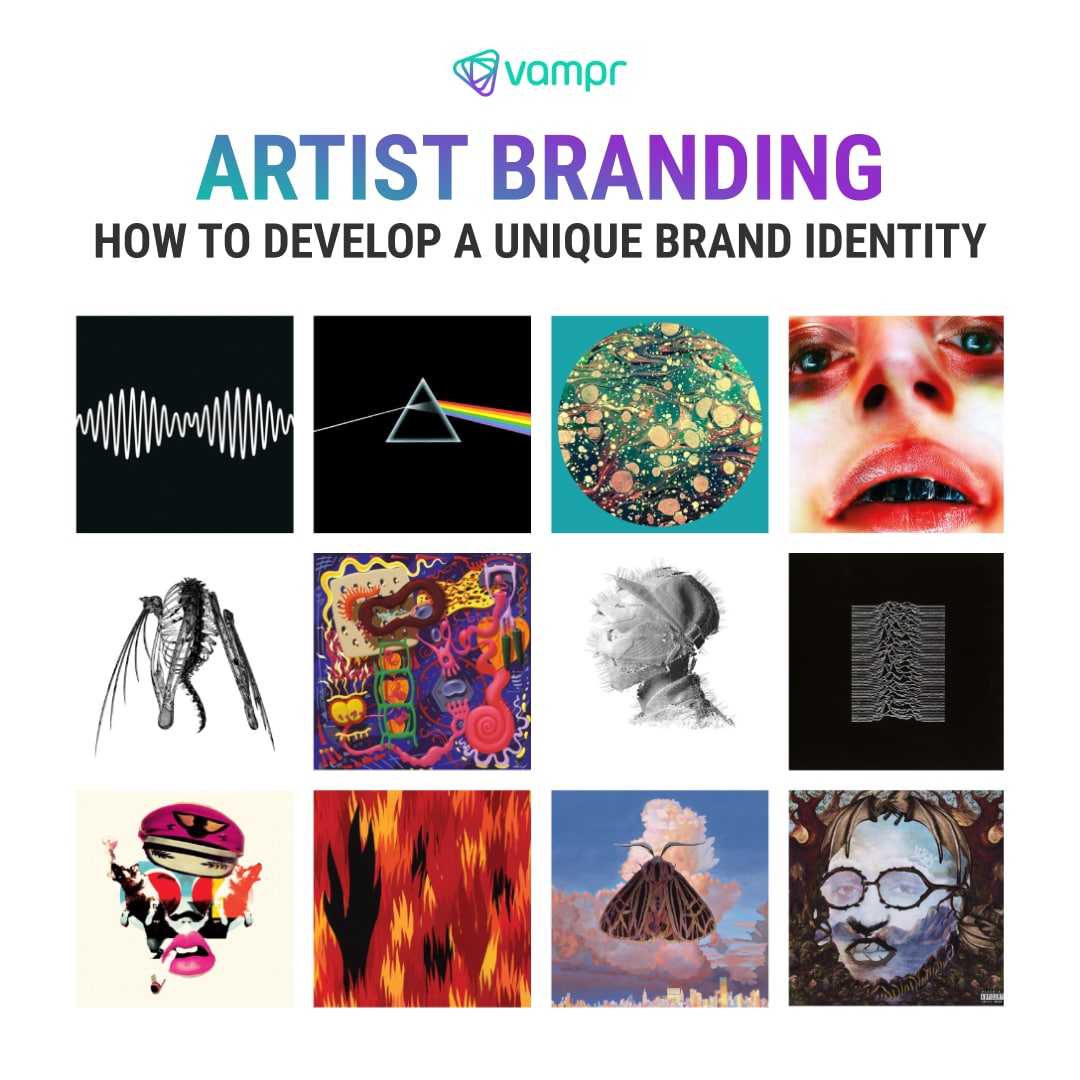
On Spotify, Apple Music, or YouTube Music, recognition often happens at the thumbnail level. Color. Shape. Composition. Emotional tone.
The brain is excellent at pattern recognition. It rewards familiarity because familiarity reduces cognitive effort.
When your visuals repeat clear signals, listeners don’t need to think. They just know it’s you.
This is also why copying trends backfires. Trend visuals are already associated with many artists. They carry no unique memory hook.
If your branding doesn’t trigger recognition within seconds, the music has to work much harder to earn attention.
When musicians think only in terms of visuals, they miss how recognition actually forms through repeated experiences. This is the same mechanism explained in what music bingo is, where familiarity builds because people encounter the same songs, sounds, and moments together over time. Recognition strengthens fastest when your music shows up repeatedly in shared contexts, not just isolated posts.
Consistency vs Reinvention: Where Musicians Get It Wrong
This is where real-world examples matter.
Doja Cat: Reinvention That Worked


Early in her career, Doja Cat’s visuals felt inauthentic. The shift happened when reinvention was anchored to recognizability. She chose to discard a path and forge a different path of raw authenticity and “madhouse”
Her aesthetics became bolder, more extreme, but also more coherent. Facial styling, silhouettes, and visual intensity followed a logic. Even when she shocked, the signals remained identifiable.
The result was evolution without erasure.
Addison Rae: Branding Tension in Transition


Addison Rae: When Fame Doesn’t Transfer to Brand
Addison Rae entered music in 2021 with 80M+ TikTok followers—massive face recognition, zero artist brand. Her visual identity oscillated wildly:
- “Obsessed” (debut single): Glam pop-star styling, high-budget music video aesthetics
- “I Got It Bad”: Casual influencer look, bedroom pop vibes
- Promotional content: Mix of TikTok casual and red-carpet glam with no consistent through-line
The problem: Her audience recognized Addison Rae the person, but had no visual or sonic anchor for Addison Rae the artist. Each release reset recognition to zero.
Result: “Obsessed” peaked at #10 on iTunes but dropped off quickly. Subsequent releases failed to chart. Her music career stalled not because the music was bad, but because there was no repeatable brand signal to make the music hers.
Take Your Game Nights to the Next Level
Muzingo is a fun game where players listen to music tracks and match them to bingo cards — competing to win prizes with friends.
Play Muzingo FreeNo Card Required
The audience recognized her face, not her artist brand. Without repeated signals, each release felt disconnected. Recognition never had time to solidify.
JoJo Siwa: When Overhaul Breaks Memory
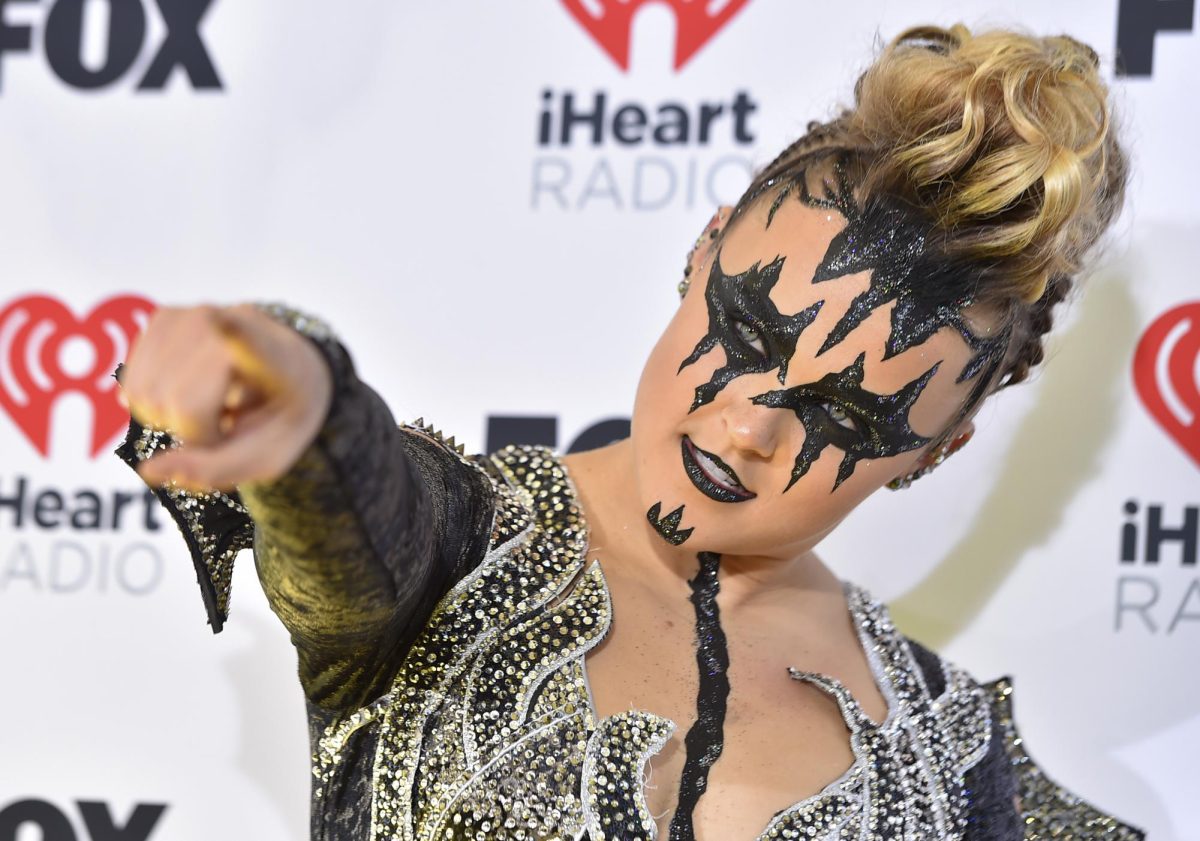


JoJo Siwa: When Abrupt Erasure Kills Recognition
JoJo Siwa’s early branding was unmistakable: rainbow bows, glitter, high ponytails, primary colors. Immediate recognition for audiences aged 6-12.
Her 2021 rebrand attempted an overnight pivot to edgier aesthetics: darker colors, leather, dramatic makeup, “bad girl” persona. The shift happened without transitional signals—no gradual evolution, no narrative bridge.
The result: her original audience (children) couldn’t follow her into the new identity, and the older demographic she was targeting didn’t have enough familiarity to adopt her as “theirs.” Recognition collapsed. Her YouTube views dropped from 15-20M per video (pre-rebrand) to 2-5M (post-rebrand) within six months.
The lesson: Abrupt erasure fragments your audience faster than you can build a new one. Miley Cyrus succeeded because her transitions had narrative continuity. JoJo’s didn’t.
Miley Cyrus: Mixed Results of Constant Change
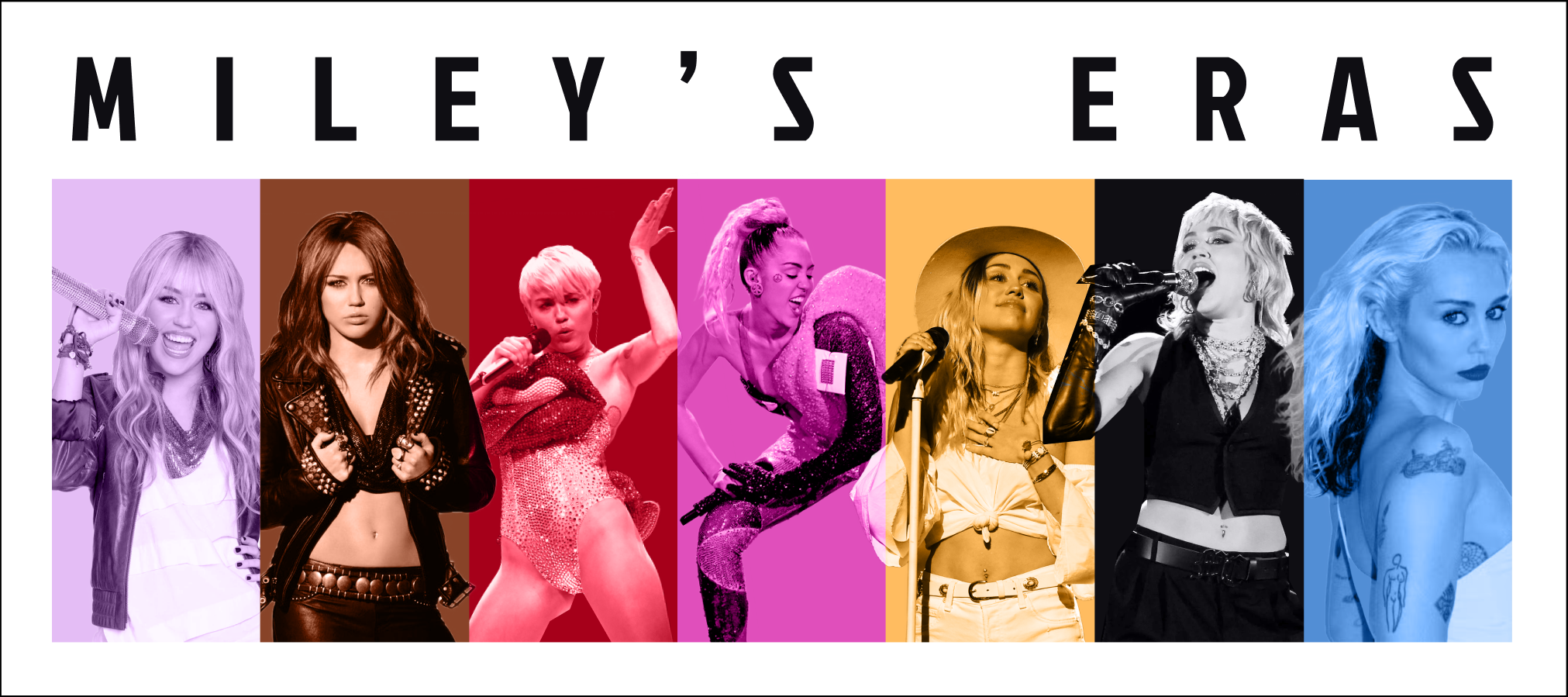

Some reinventions worked because they followed a narrative arc. Others fractured recognition due to rapid tonal shifts.
Miley’s transitions followed clear narrative arcs.
Hannah Montana → Bangerz (“good girl goes rogue”) → Younger Now (self-acceptance) → Plastic Hearts (rock maturity).
Each shift was drastic but explained—the visual changes tracked emotional evolution, not random aesthetic pivots.
Crucially, certain signals persisted: bold stage presence, provocative honesty, genre boundary-pushing.
Even when the aesthetic changed, the *attitude* remained recognizable. This is why her career survived multiple reinventions while artists with similar pivot frequency (like JoJo Siwa) struggled.
Lil Nas X: Recognition First, Difference Second
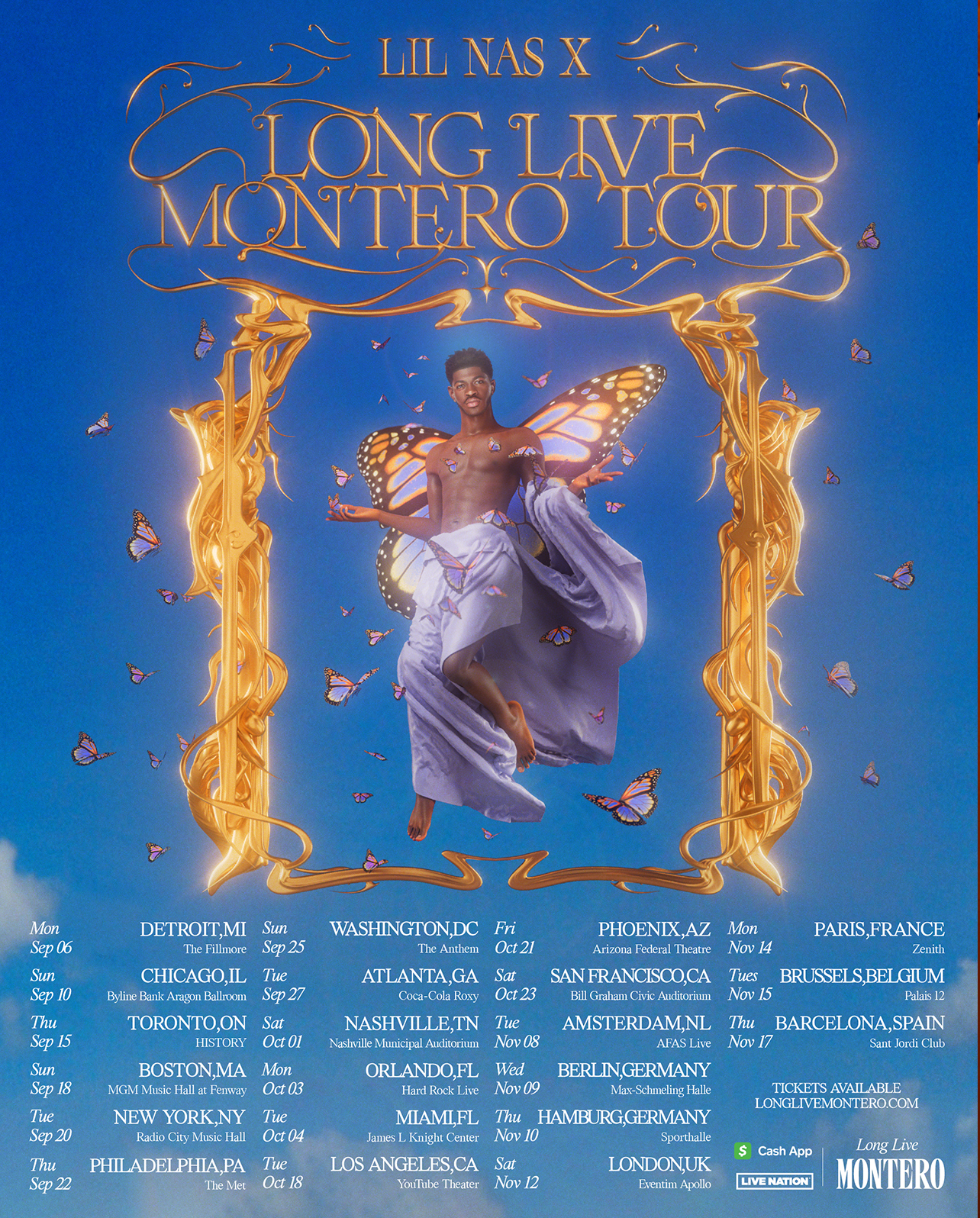

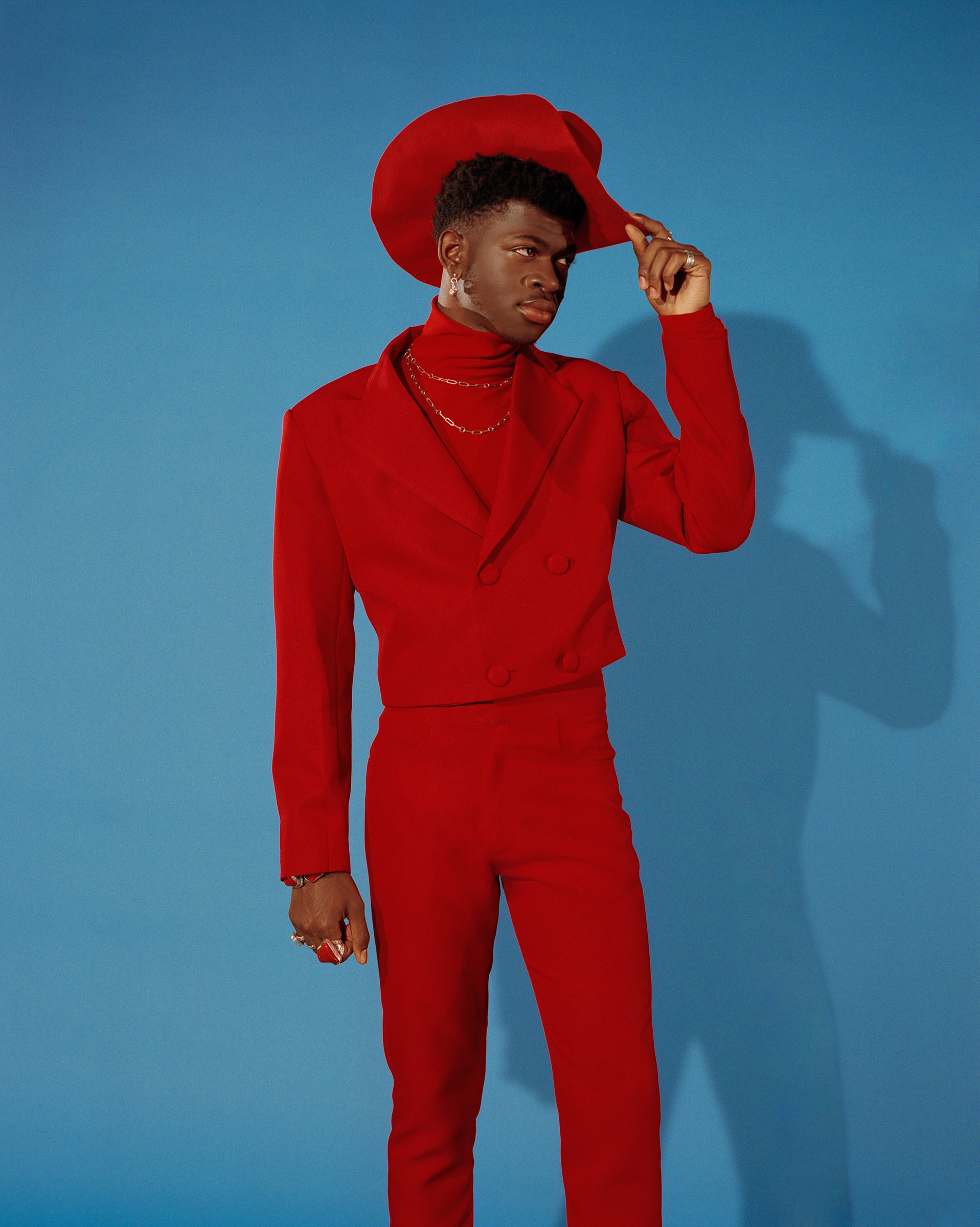
Lil Nas X built clear recognition early through humor, storytelling, and visual coherence. When provocation increased, the identity stayed legible.
Difference amplified recognition instead of replacing it. He is known as the eccentric gay black dude who’s enjoying life and pissing off half of a demographic.
The Role of Visual Identity in Music Recognition
This is where music logo design and music logos are often misunderstood.
A logo is not branding by itself. A logo is a recognition anchor. It only works when used consistently.
Most failures happen when musicians treat logo design for musicians as decoration rather than a system. Logos that change color, placement, or style every release sabotage memory.
Strong visual identity means discipline. Same logo logic. Same placement rules. Same visual hierarchy.
Visual identity works before the music does. That’s the point.
Visual identity does its job only when it leads somewhere meaningful. Musicians who pair recognizability with audience interaction give their branding somewhere to live. Tools discussed in how to choose the best music bingo software show how artists and hosts use music-driven formats to keep audiences engaged repeatedly, instead of relying on one-off drops that fade quickly.
How Recognizability Supports Long-Term Careers
Recognition is not aesthetic vanity. It’s strategic.
When listeners recognize you instantly, they are more likely to return. More likely to invest. More likely to follow your evolution.
This is why long-term music marketing depends on coherence. Not noise.
It’s also why audience interaction matters. Recognition compounds when people experience your music repeatedly in shared environments.
This approach to reinforcing recognition through shared music experiences has already been applied in real audience settings. You can see how interactive music formats are used to strengthen familiarity and memory in practice through Muzingo, where repeated engagement helps artists and hosts keep music recognizable instead of fleeting.
Artists who understand this design experiences, not just releases. The same logic appears in guides like how to host a music bingo night unforgettable, where repetition, structure, and audience participation turn music into memory. When your sound becomes part of an experience, recognizability compounds naturally.
The Real Shift You Need to Make
Recognition accelerates when your music becomes something people actively participate in. Formats that encourage replay, interaction, and shared attention help lock your identity into memory. That’s why many musicians and hosts explore interactive formats like how to play music bingo online to keep their sound circulating in a way that feels social rather than promotional.
If you’re worried about looking boring, generic, or invisible, the solution is not to keep changing.
The solution is to decide what you want to be recognized for, then repeat it until it sticks.
Branding for musicians is about building familiarity that survives growth. Difference will come naturally once recognition is stable.
Ready to turn recognition into repeated exposure?
Create a live music bingo game where people hear, recognize, and remember your music together.Start a free game and see how repeated interaction builds familiarity faster than constant reinvention.
👉Start a free Muzingo game for your next music experience.
FAQ
What is branding for musicians?
Branding for musicians is the system of visual, emotional, and narrative signals that make an artist recognizable before the music is heard.
Why do many musicians look the same?
Because they copy surface trends without a coherent identity system, leading to visual sameness and weak memory formation.
Is reinvention bad for musicians?
No. Reinvention fails only when it erases recognition instead of evolving it.
Do music logos really matter?
Yes, but only when used consistently. Inconsistent logo use damages recognition.