


You climb slowly for years.
Small wins. Little attention.
One song finally breaks through.
People know the song, but not you.
Streams flatten. Sales stall. The silence after the noise feels louder than the struggle before it.
That moment has a name. Second album syndrome.
It is the strange phase where success arrives, yet momentum slips. The confusion is sharp because you did everything right. You made something people loved. Still, the lift you expected never comes.
This is not a talent problem. It is a transition problem.
RELATED BLOG POST
- THE ONLY MUSIC CAREER STRATEGY YOU NEED
- WHY VIRAL SONGS DON’T MAKE ARTISTS SUCCESSFUL
- HOW TO MAKE MONEY AS A MUSIC ARTIST
- BEYONCÉ’S STRATEGY: BUILDING A BILLION-DOLLAR BRAND
You Finally Made It. So Why Does Everything Feel Harder?
After a breakthrough, the rules change quietly.
Before the hit, you were building in the dark. You experimented without consequences. You learned your voice while nobody was watching. Every small gain felt like progress.
After the hit, everything becomes visible. Timelines tighten. Expectations harden. Comparison creeps in. You feel pressure to repeat what worked, even when you do not fully understand why it worked.
Second album syndrome shows up when the conditions that supported your first success disappear, but your strategy does not evolve with them.
This is why losing momentum after a hit feels personal even though it is structural.

What Second Album Syndrome Really Is
Second album syndrome is not fear. It is not laziness. It is not suddenly forgetting how to write music.
It is a mismatch between your new environment and your old operating system.
Why this isn’t a talent problem
Your first project benefited from time. You had years to refine ideas. You could throw away bad songs. You followed instinct more than expectation.
Your second album is created under compression. Fewer chances. Louder opinions. Higher stakes. You are judged not on promise but on continuity.
That shift alone changes outcomes.
The invisible shift most artists miss
Attention does not behave like loyalty.
On platforms like Spotify for Artists and Apple Music for Artists, it is common to see a spike in listeners after a hit while followers barely move. The song travels farther than the artist. When the second album arrives, discovery fades because there was nothing holding people in place.
Second album syndrome appears when recognition never turns into recall.
Why the First Album Got You Here
Your debut did not arrive overnight. Even if it felt sudden to the outside world, it rested on quiet accumulation.
Time, anonymity, and low expectations
You had freedom. You could test ideas without penalty. You could grow slowly. Mistakes did not travel far.
This environment rewards patience. It allows you to find an identity before being asked to defend it.
Why slow growth worked in your favor
The first album often succeeds because it aligns with discovery systems. Algorithms favor novelty. Audiences reward freshness. Editors take chances.
The problem is that novelty does not repeat itself on command.
Trying to recreate the exact conditions of a first success usually accelerates artist career momentum loss rather than preventing it.
Why the Second Album Feels Like a Trap
Once you break through, your work is no longer judged in isolation.
Deadlines, pressure, and public comparison
You are expected to move quickly. Delays feel risky. Every release is measured against the hit. Numbers become louder than instincts.
This environment rewards familiarity. Yet familiarity is exactly what audiences punish when it feels forced.
When repetition quietly fails
Releasing songs that sound like your hit can feel safe. It also trains listeners to associate you with a single emotional lane.
When attention drops, it drops harder because the audience believes they have already heard your story.
Take Your Game Nights to the Next Level
Muzingo is a fun game where players listen to music tracks and match them to bingo cards — competing to win prizes with friends.
Play Muzingo FreeNo Card Required
This is the core trap of second album syndrome.
When People Know the Song but Not You
This is the most painful version of momentum loss.
You hear your song everywhere. Still, your shows do not sell. Merch does not move. New releases struggle.
Recognition versus recall
Recognition means someone knows the sound. Recall means they remember the artist.
Viral systems optimize for recognition. Careers require recall.
This pattern is explored in Why Viral Songs Don’t Make Artists Successful.
Why hits don’t automatically build careers
Attention is passive. Careers are active.
If nothing invites the listener to participate beyond listening, momentum leaks away. Over time, this weakens music career longevity even when surface numbers look impressive.
Artists Who Navigated Second Album Syndrome Successfully
Some artists survive this transition by redesigning their systems.
Strategic reinvention
Beyoncé: Treating Every Phase as Repositioning
Beyoncé’s self-titled 2013 album could have been a straightforward follow-up to 4 (2011). Instead, she repositioned entirely: surprise drop (no marketing), visual album format (new medium), explicit personal narrative (new vulnerability).
This wasn’t “more of what worked”—it was a complete reframe. The result: 617K sales in 3 days (all digital, unprecedented at the time) and a cultural reset that made her previous success look like setup, not peak.
The lesson: She didn’t try to recreate I Am… Sasha Fierce’s success. She made that success irrelevant by changing the game.
Beyoncé rebuilt momentum by treating every phase as a repositioning, not a sequel. For deeper analyses, read Beyoncé’s Strategy: Building a Billion-Dollar Brand.
Addison Rae followed a similar logic, documented in Addison Rae Brand Repositioning Into a Pop Star.
Repositioning worked because it was treated as a new chapter, not an extension of viral identity.
System building over moment chasing
Artists who survive sophomore syndrome build repeatable engagement systems rather than chasing spikes.
Building Attachment, Not Just Attention
Momentum stabilizes when listeners become participants.
Interactive experiences create memory. Shared moments turn listeners into communities.
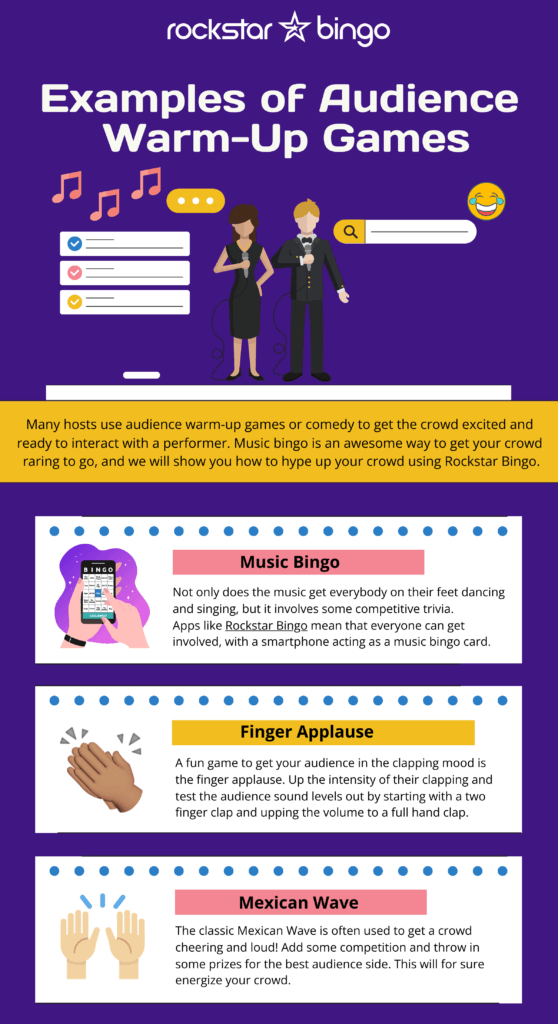
This is where Muzingo fits naturally. Artists and hosts use interactive music bingo to turn passive listening into active participation. That shift strengthens recall and identity beyond a single hit.
Through Muzingo’s interactive music bingo platform, artists can design shared moments that anchor memory and support sustainable income, reinforcing ideas explored in How to Make Money as a Music Artist.


The Real Opportunity Inside Second Album Syndrome

Second album syndrome feels like loss. It is actually a signal.
It tells you the old way worked once. The new way must work longer.
When you stop chasing the feeling of a breakthrough and start designing systems that hold attention, momentum returns in a quieter, stronger form.
That is how careers last.
Take the Next Step
Create an experience that turns listeners into participants.
Start a live music bingo game and see how interactive engagement helps rebuild momentum, deepen recall, and move your career forward beyond a single hit.
FAQ
Is second album syndrome real or just an excuse?
Second album syndrome is real because the conditions around creation and reception change. The issue is structural, not psychological.
Can independent artists experience sophomore syndrome?
Yes. Any artist who experiences a sudden spike in attention can face it. Visibility, not label pressure, triggers the shift.
How long does second album syndrome last?
It lasts as long as the strategy remains unchanged. Once systems adapt, momentum stabilizes.
Does delaying the second album help?
Delay helps only if it is used to rebuild systems and identity. Waiting without adaptation usually worsens the drop.